Why Quality Control Matters in Baby Textile Manufacturing
Quality control is one of the most important parts of baby textile manufacturing.
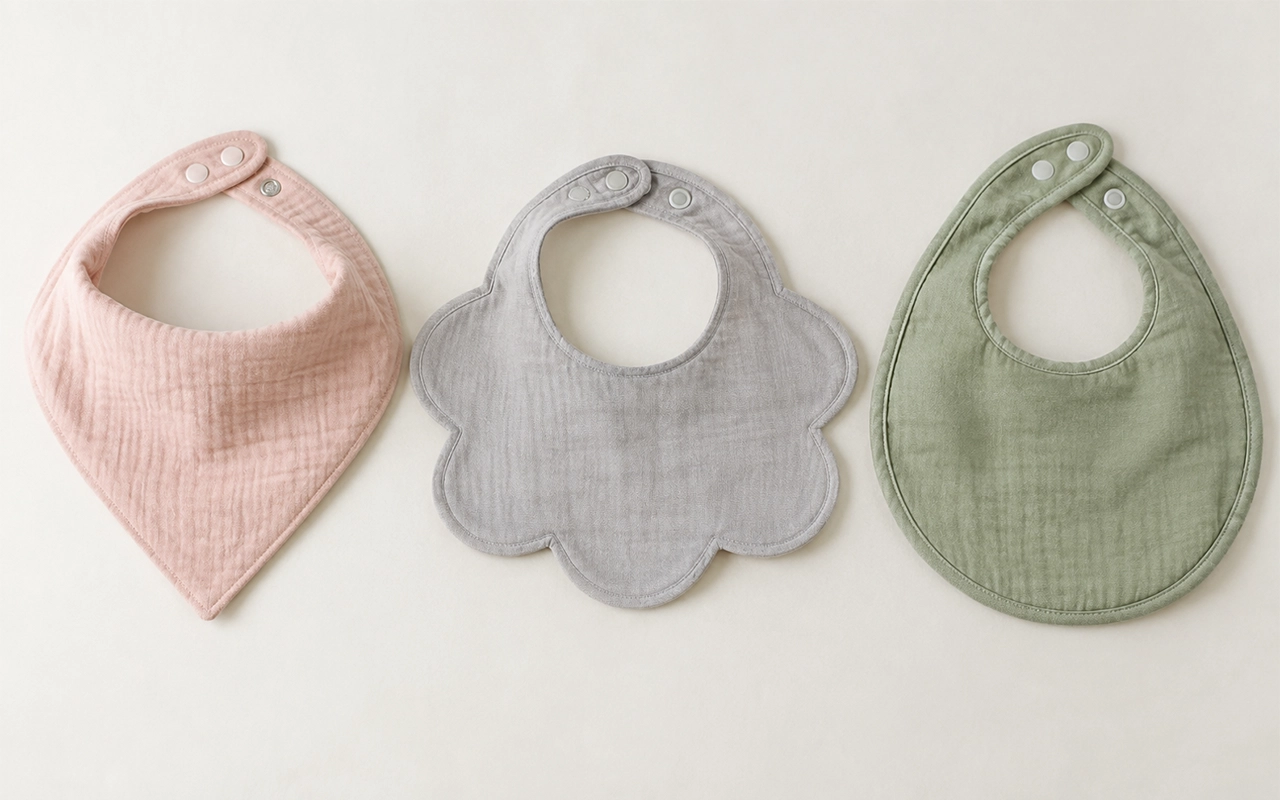
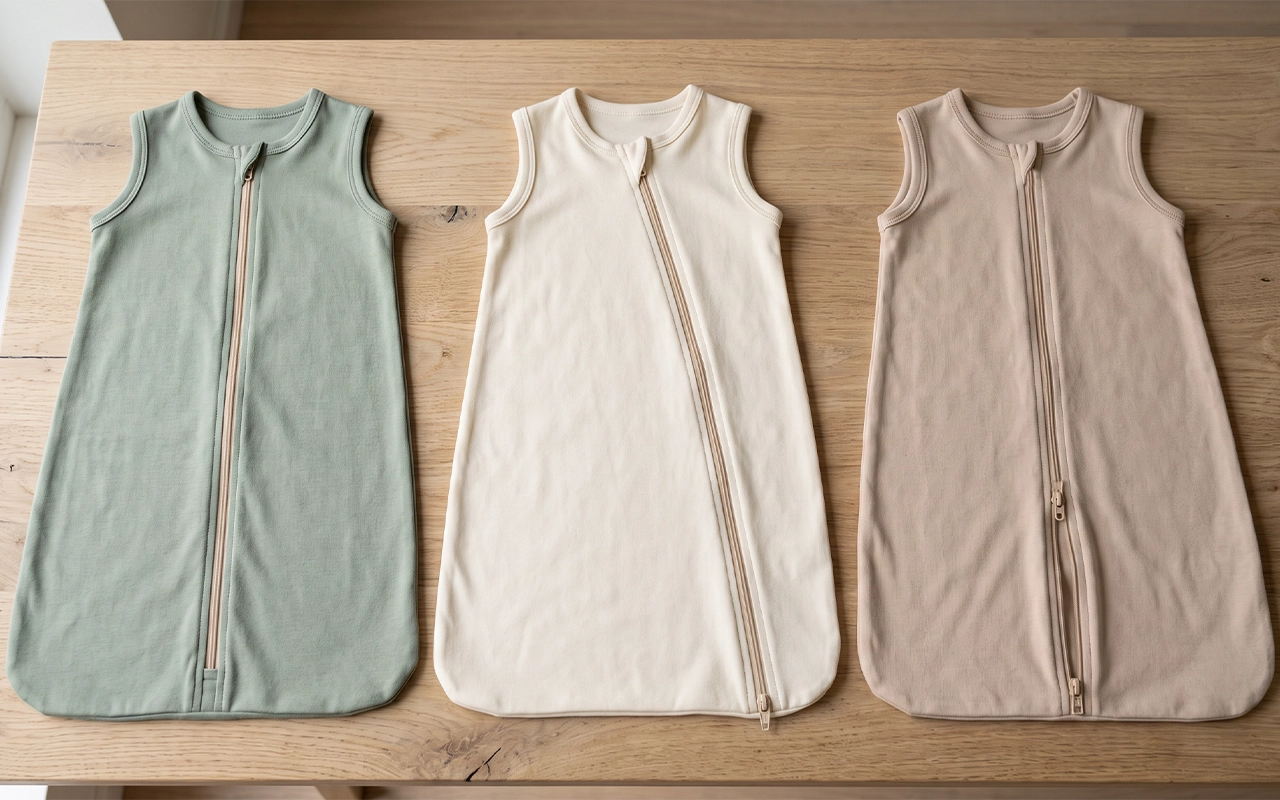
Unlike many other textile products, baby products require higher attention to detail. Products such as bibs, sleep sacks, bedding, blankets, and nursery accessories often have direct contact with babies’ skin.
Therefore, quality control is not only about checking the final product. It starts from the selection of materials and continues throughout the entire manufacturing process.
For international baby brands, product consistency is especially important. A sample may look perfect during the development stage, but mass production requires the same level of quality across every piece.
A reliable manufacturing process should control every important stage, including:
- Material inspection
- Sample approval
- Production monitoring
- Finished product inspection
- Packaging and shipment preparation
Furthermore, a professional manufacturer should combine advanced equipment with experienced workers. Equipment can help identify potential issues, while manual inspection allows teams to check product details that machines cannot evaluate.
A complete quality control system helps brands reduce production risks, maintain product consistency, and build stronger customer trust.
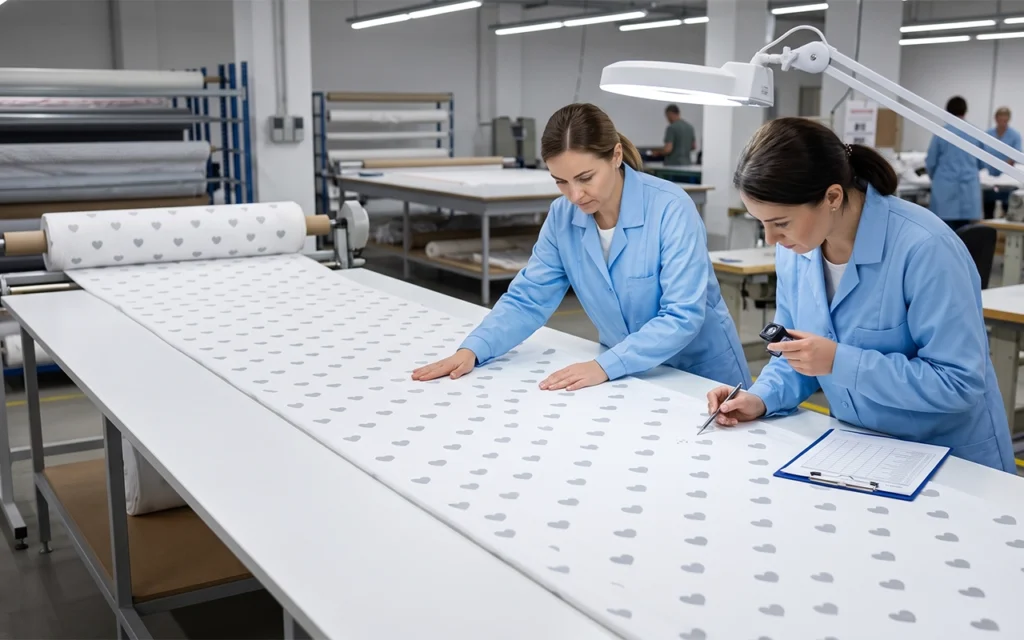
Fabric and Material Inspection Before Production
Quality control begins before production starts.
The materials used in baby textile products directly affect comfort, appearance, and product performance. Therefore, manufacturers should inspect materials carefully before cutting and sewing.
Fabric inspection usually focuses on:
- Fabric appearance
- Color consistency
- Fabric defects
- Hand feel
- Material performance
For example, baby products often require fabrics with soft touch and comfortable performance.
Different products may also require different material characteristics.
Bibs may focus on:
- Softness
- Absorbency
- Comfort
Sleep sacks may focus on:
- Breathability
- Skin-friendly feeling
- Wearing comfort
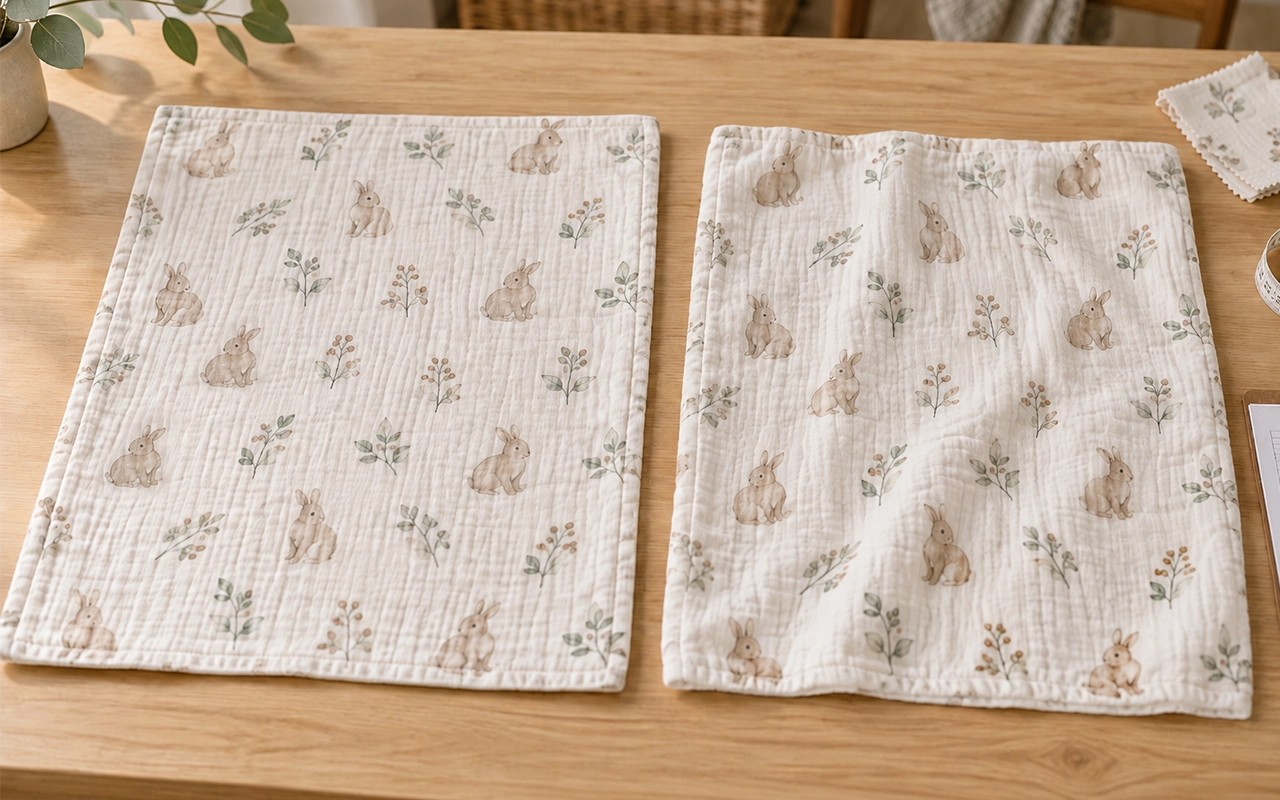
Bedding products may focus on:
- Fabric quality
- Durability
- Overall comfort
In addition to fabrics, manufacturers should also check other components, including:
- Filling materials
- Buttons
- Labels
- Accessories
Early material inspection helps identify possible problems before mass production begins.
As a result, brands can avoid unnecessary delays and reduce material-related risks.
Sample Approval Before Mass Production
Sample approval is an important step before bulk production.
A product sample allows brands and manufacturers to confirm details before large quantities are produced.
During sample evaluation, brands usually review:
- Product design
- Size accuracy
- Material selection
- Construction details
- Overall appearance
The sample development process usually includes:
Customer Requirements
↓
Material Selection
↓
Sample Production
↓
Customer Review
↓
Adjustment
↓
Final Approval
This process helps both sides confirm the product expectations clearly.
For example, a baby bib sample may require confirmation of:
- Shape
- Fabric type
- Embroidery position
- Edge finishing
A bedding sample may require confirmation of:
- Product dimensions
- Fabric appearance
- Filling structure
- Sewing quality
Therefore, sample approval helps reduce misunderstandings and improves production accuracy before bulk manufacturing.
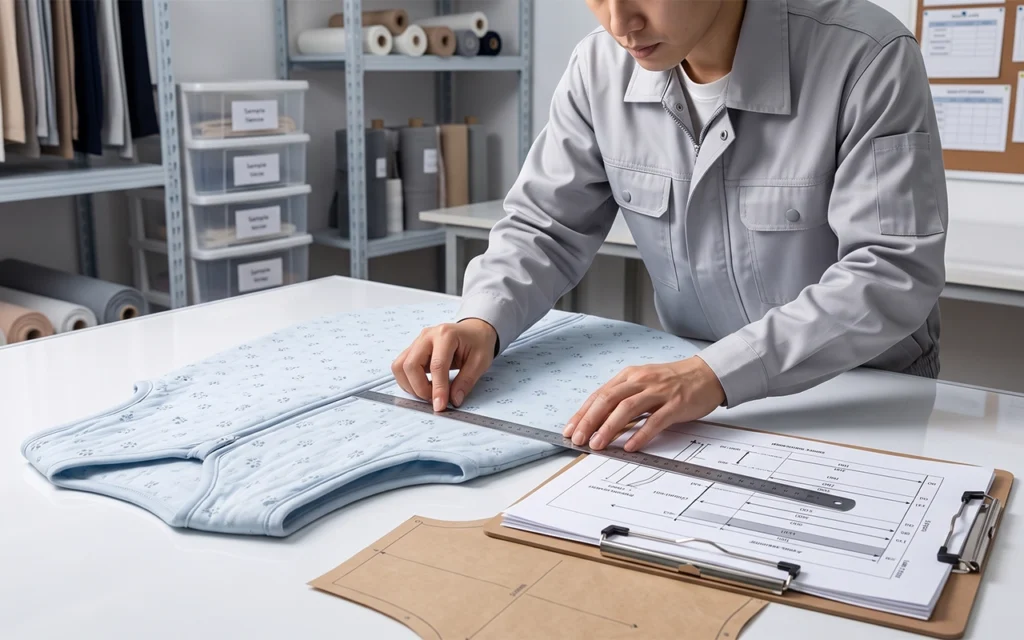
Quality Control During Cutting and Sewing
After materials are approved, production quality becomes the next focus.
During cutting and sewing, manufacturers need to control important details to maintain product consistency.
Cutting Inspection
The cutting process affects the final product shape and size.
Important checks include:
- Pattern accuracy
- Cutting size
- Fabric placement
- Component matching
Accurate cutting helps ensure that every product follows the approved specifications.
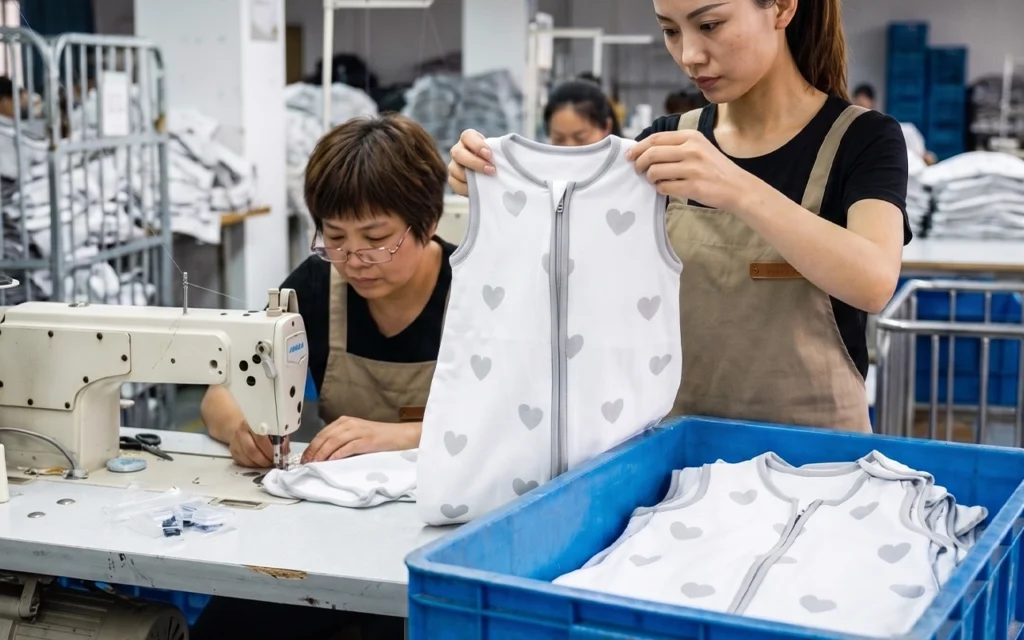
Sewing Inspection
Sewing quality directly affects product appearance and durability.
Manufacturers should check:
- Stitching quality
- Seam strength
- Product shape
- Finishing details
For example, baby bib production requires attention to:
- Edge finishing
- Shape consistency
- Button placement
- Embroidery details
For bedding products, manufacturers need to control:
- Sewing accuracy
- Product dimensions
- Filling distribution
- Overall structure
Careful production control helps maintain consistency between samples and final products.
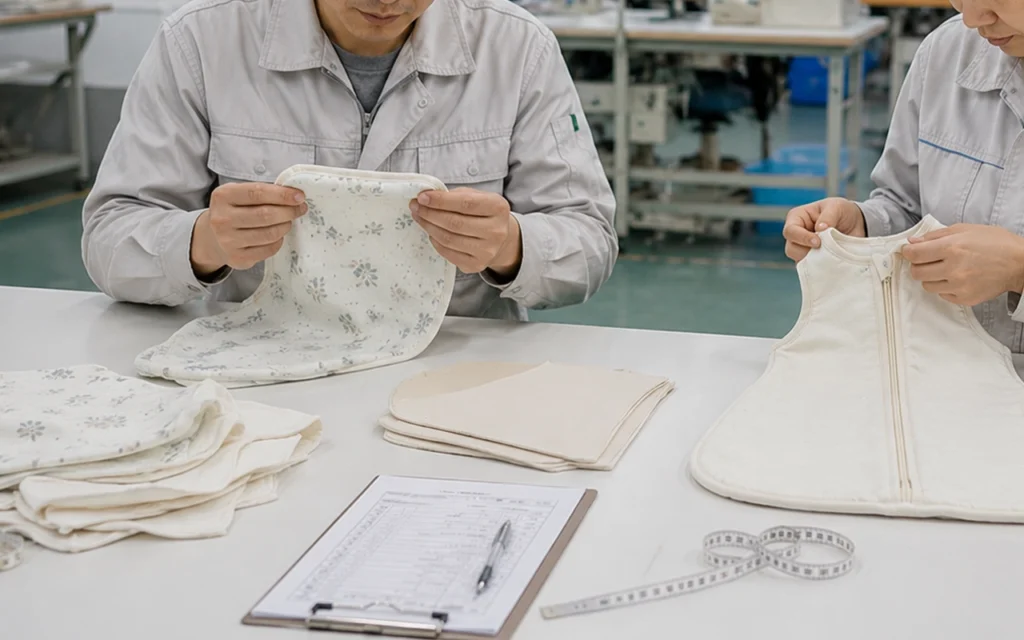
In-Process Inspection During Manufacturing
Quality control should not wait until the end of production.
Regular inspection during manufacturing allows teams to discover and solve problems earlier.
During production, manufacturers may check:
- Product appearance
- Size consistency
- Workmanship
- Production details
In-process inspection helps identify issues such as:
- Uneven sewing
- Incorrect dimensions
- Material problems
- Production mistakes
Solving these problems early is more efficient than correcting large quantities after production is completed.
Moreover, continuous inspection helps maintain stable quality throughout the entire production process.
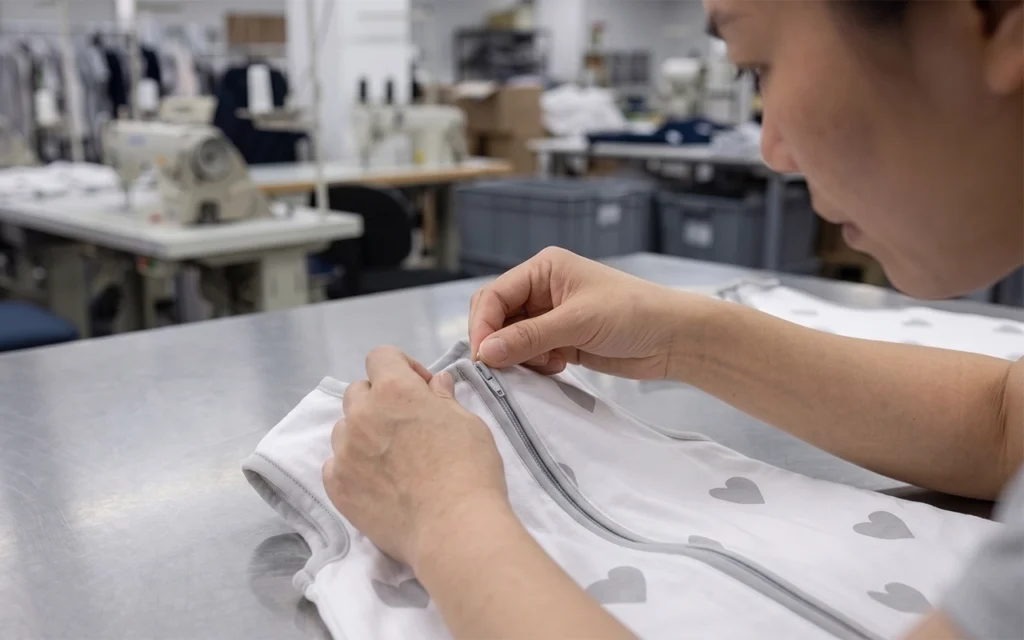
Final Product Inspection Before Shipment
Before shipment, finished products require a complete final inspection.
This stage confirms that products meet customer requirements and approved standards.
Final inspection usually includes:
Appearance Inspection
Workers check:
- Stains
- Loose threads
- Surface defects
- Product appearance
Size Inspection
Teams verify:
- Product measurements
- Product specifications
- Size consistency
Packaging Inspection
Workers confirm:
- Labels
- Packaging method
- Product quantity
In addition, baby textile products may require additional safety checks before shipment.
Needle Detection and Manual Quality Inspection
Safety inspection is an important part of baby textile manufacturing.
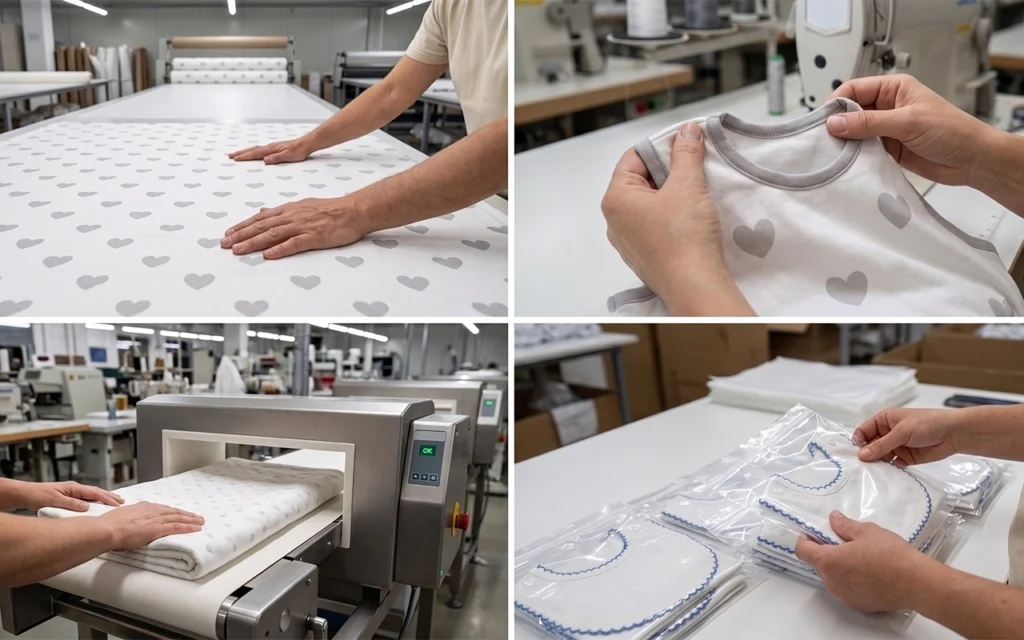
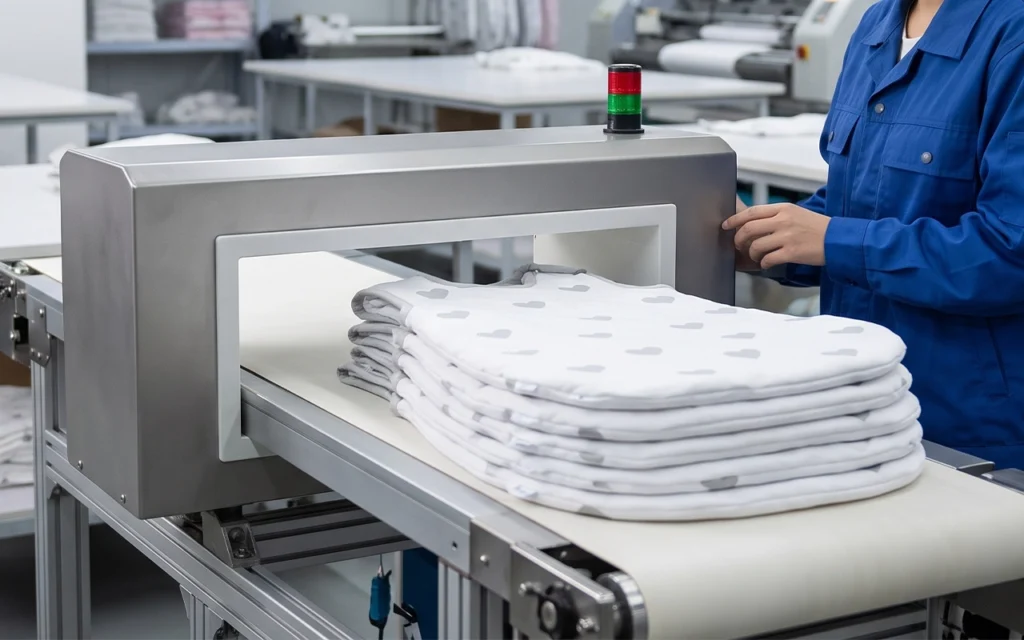
For textile products, manufacturers can use needle detection machines to help identify potential needle-related risks during production.
Needle detection equipment provides an additional safety check before products leave the factory.
However, equipment inspection alone is not enough.
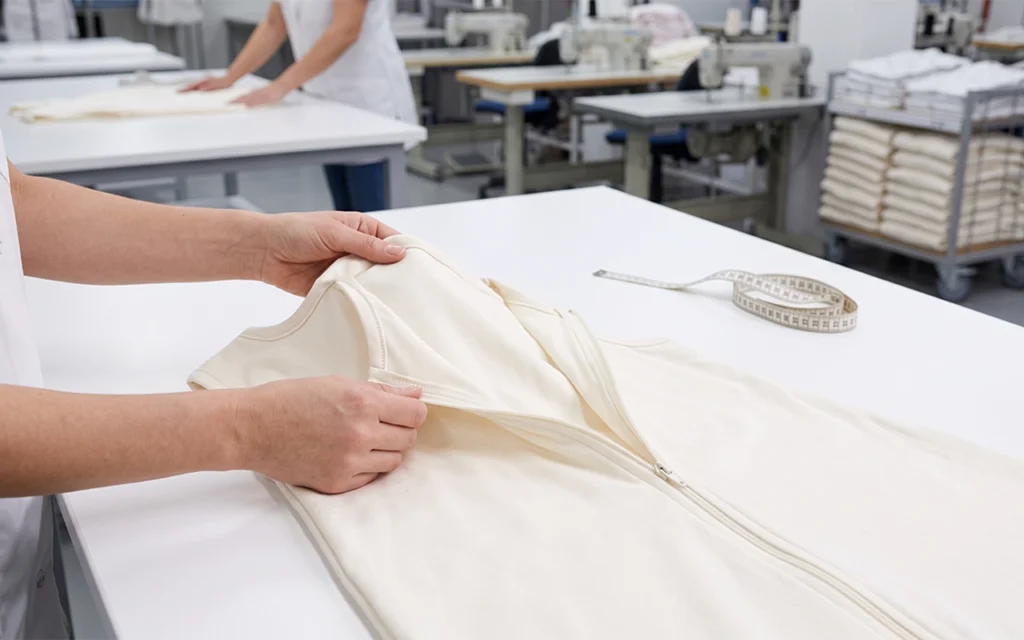
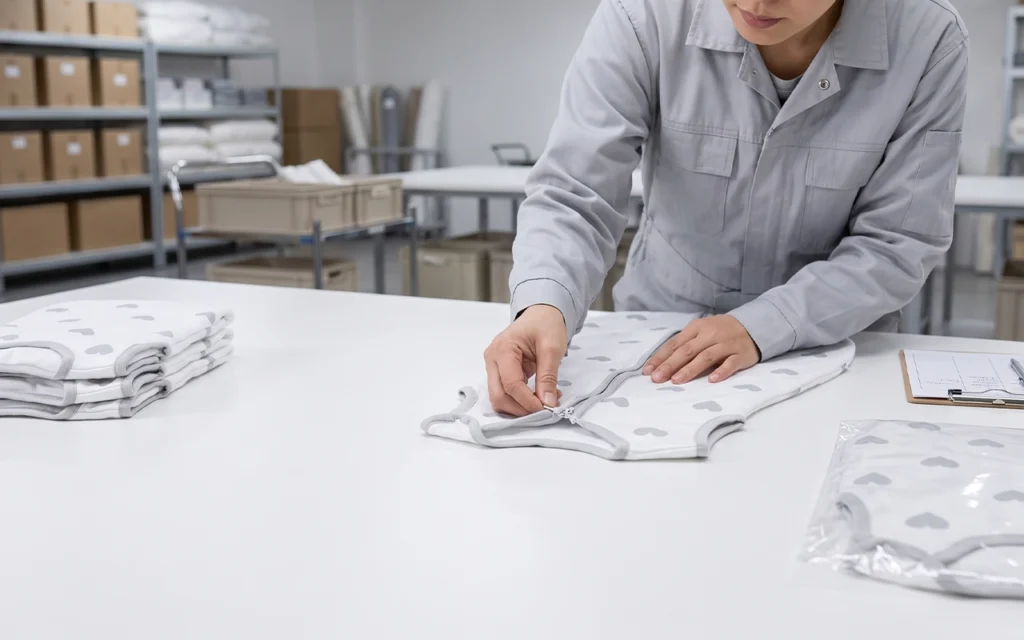
Experienced workers also perform manual inspections to check product details.
Manual inspection includes:
- Loose threads
- Sewing quality
- Product appearance
- Accessory placement
- Overall workmanship
The combination of machine inspection and manual checking creates a more complete quality control system.
Machines provide efficient detection, while workers can evaluate details based on production experience.
Together, these methods help improve product reliability before shipment.
Quality Control for Different Baby Textile Products
Different product categories require different quality control focuses.
Baby Bibs
Important checks include:
- Fabric quality
- Shape consistency
- Sewing details
- Edge finishing
- Accessory placement
Baby Sleep Sacks
Important checks include:
- Fabric comfort
- Size accuracy
- Sewing quality
- Product structure
Baby Bedding Products
Important checks include:
- Product dimensions
- Fabric appearance
- Filling distribution
- Sewing consistency
Baby Towels and Blankets
Important checks include:
- Fabric softness
- Absorbency performance
- Surface quality
- Product finishing
Understanding product-specific requirements helps manufacturers provide more reliable quality control.
How Brands Can Work With Manufacturers to Improve Quality
Quality control is a cooperation process between brands and manufacturers.
Brands should provide clear product information, including:
- Product specifications
- Reference images
- Material preferences
- Quality expectations
Manufacturers can support brands through:
- Material suggestions
- Sample development
- Production feedback
- Quality management
Clear communication helps reduce production problems.
Furthermore, early discussion about quality requirements allows manufacturers to prepare suitable solutions before production begins.
A strong partnership between brands and manufacturers creates better product consistency and smoother cooperation.
Conclusion: Quality Control Creates Reliable Baby Products
Quality control is not a single inspection step.
It is a complete system that runs through the entire manufacturing process.
From:
- Fabric inspection
- Material checking
- Sample approval
- Production monitoring
- Needle detection
- Manual inspection
- Final shipment review
Every stage influences the final product quality.
For international baby brands, choosing a manufacturer with a complete quality control system can reduce risks and improve product reliability.
With more than 40 years of experience in baby textile manufacturing, Inorange Baby supports global brands with product development, manufacturing, and quality management solutions.
By combining production experience, inspection processes, and professional manufacturing support, we help brands create reliable baby textile products for international markets.