Why Choosing the Right Manufacturer Matters
Choosing the right baby product manufacturer is an important decision for any growing baby brand. A reliable supplier does more than produce products. They help brands develop ideas, improve designs, control quality, and build a stable supply chain.
The baby product market requires careful attention. Products such as bibs, sleep sacks, bedding, and nursery accessories are closely related to babies’ daily use. Therefore, brands need a manufacturing partner who understands materials, production details, and market expectations.
Many buyers focus on price first. However, the lowest quotation does not always create the best value. A supplier with limited experience may cause problems with product quality, communication, delivery time, or customization.
In addition, international brands need suppliers who can support different market requirements. European and North American customers often have specific expectations for materials, design, safety, and product consistency.
A professional baby product manufacturer should support the whole process. This includes product discussion, customization, sample development, production, and quality control.
With more than 40 years of experience in baby product manufacturing, Inorange Baby provides OEM and ODM customization services for global brands. The company supports customers from the first product idea to final production, helping brands create reliable baby products for international markets.
Check the Manufacturer’s Experience in Baby Products
Experience is one of the first factors brands should consider when selecting a manufacturer.
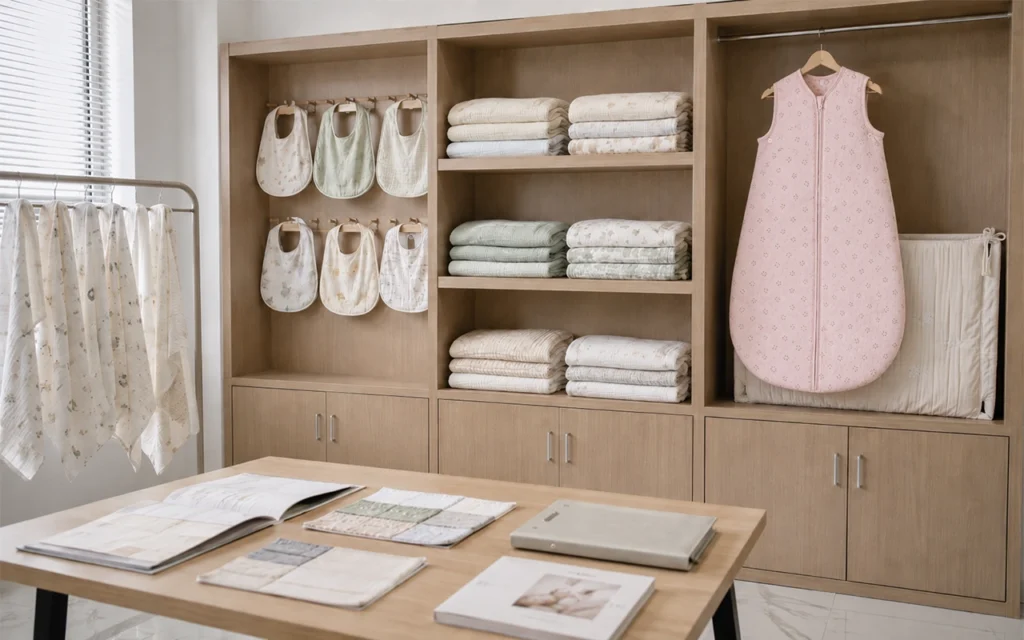
A supplier with long-term baby product experience understands the details behind successful products. They know that different categories require different solutions.
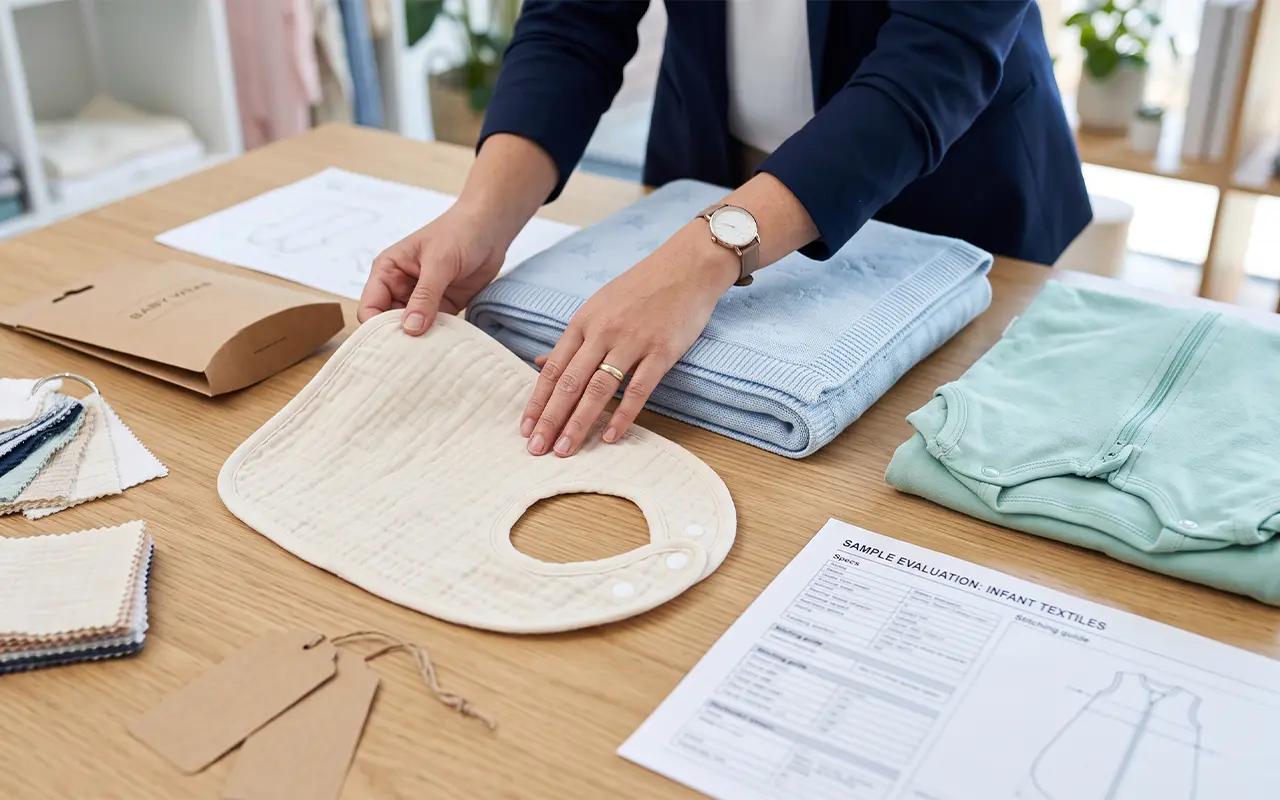
For example, baby bibs are not only simple textile items. Brands may need different materials, shapes, and designs for different markets.
A professional manufacturer should understand:
- Cotton and muslin fabric options
- Different bib shapes
- Embroidery and customization needs
- Size requirements
- Production details
For example, some brands prefer classic triangle bibs. Others may need petal-shaped or rounded bib designs for a more unique collection.
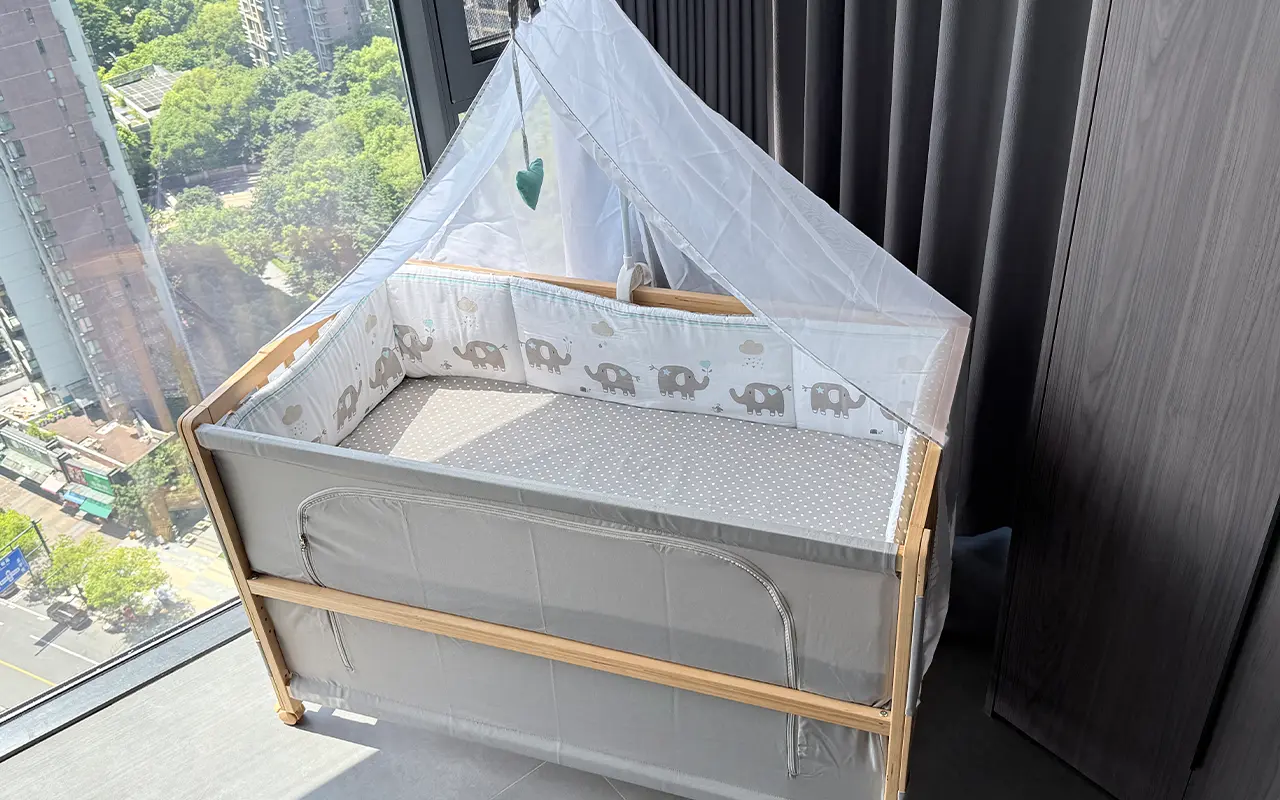
Similarly, bedding products require different manufacturing knowledge. Baby mattresses, crib bedding sets, blankets, pillows, and quilts all involve different materials and structures.
Moreover, a manufacturer with years of experience can identify possible issues earlier. They can provide practical suggestions during product development.
Therefore, choosing an experienced manufacturer helps brands reduce unnecessary adjustments and improve development efficiency.
Evaluate OEM and ODM Customization Capability
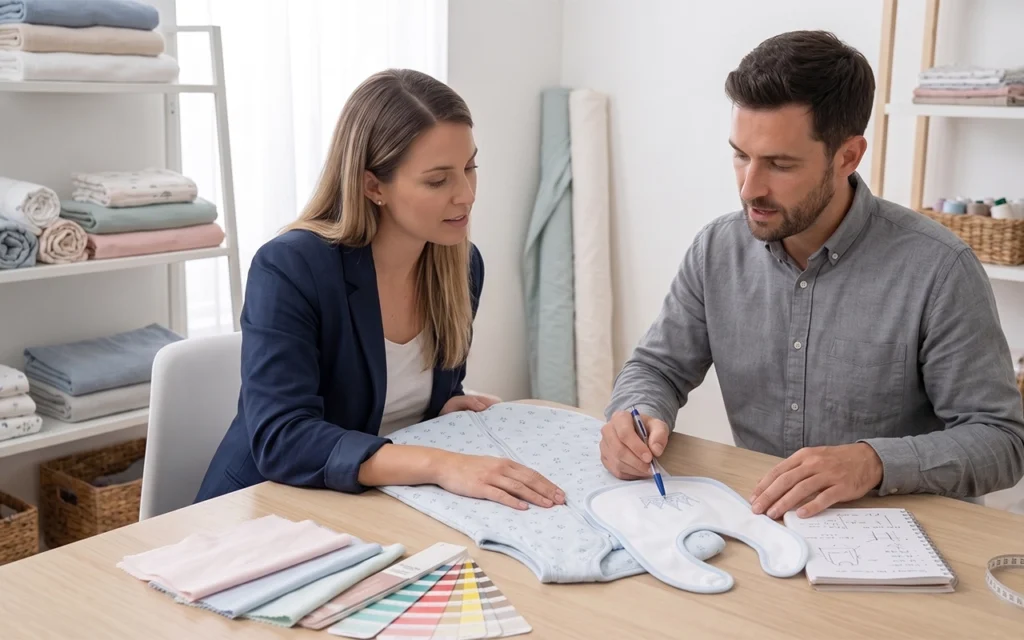
Modern baby brands often need unique products. Standard products may not be enough to create strong market differences.
Therefore, OEM and ODM capability becomes an important factor when choosing a manufacturing partner.
OEM Manufacturing
OEM allows brands to provide their own product concepts.
The brand may prepare:
- Product references
- Design files
- Size requirements
- Material preferences
- Packaging requirements
The manufacturer then produces the product according to the brand’s specifications.
This model works well for brands that already have clear product plans.
ODM Manufacturing
ODM provides deeper product development support.
A capable ODM manufacturer can help with:
- Product improvement
- Material selection
- Design suggestions
- Sample development
- Production solutions
For example, a brand may have an idea for a new baby product but need help making it suitable for production.
The manufacturer can review the concept, suggest materials, create samples, and adjust details based on feedback.
Furthermore, this process allows brands to create more competitive products without building a complete product development team.
A strong OEM and ODM partner does not only follow instructions. They also provide professional support throughout product development.
Choose a Manufacturer With Real Production Capability
A reliable supplier should have strong production capability.
Before cooperation, buyers should understand whether the supplier owns production facilities or depends mainly on external factories.
This difference can affect:
- Quality control
- Communication speed
- Production flexibility
- Delivery reliability
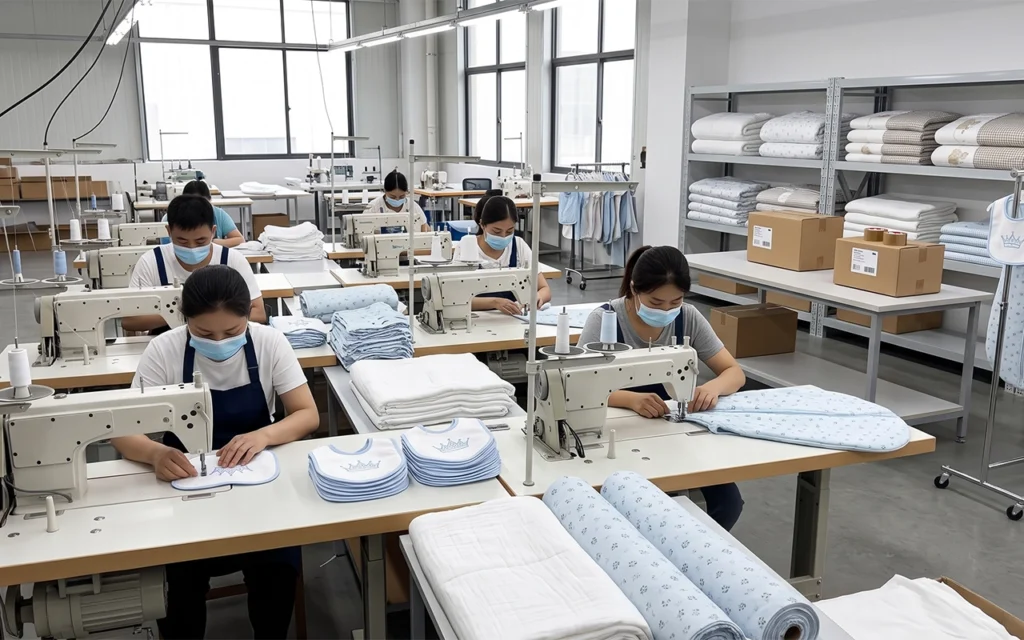
A manufacturer with its own workshop, equipment, and production team can manage production more effectively.
For example, when a customer requests changes after reviewing a sample, an in-house production team can respond faster.
They can communicate directly with designers and workers. They can also adjust production details more efficiently.
A real manufacturing partner should have:
- Production workshop
- Manufacturing equipment
- Skilled workers
- Production management experience
In addition, direct production control helps maintain consistency between approved samples and final products.
Therefore, brands should always evaluate actual manufacturing capability before choosing a supplier.
Look for Strong Sample Development Support
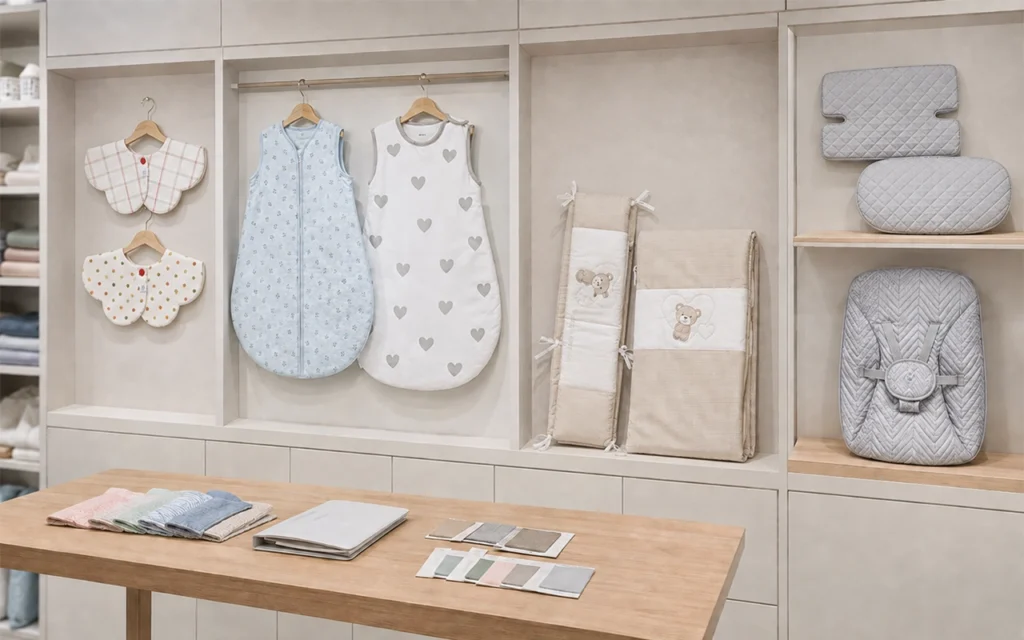
Sample development is an important stage before mass production.
A product idea may look perfect in a picture. However, some details only become clear after creating a physical sample.
During sample development, brands can check:
- Product appearance
- Material performance
- Size accuracy
- Construction details
- Overall quality
A professional manufacturer should provide a clear development process.
The process usually includes:
Customer Requirement
↓
Product Discussion
↓
Material Selection
↓
Sample Development
↓
Feedback and Adjustment
↓
Final Approval
For example, a customer may provide a reference image for a baby bib, bedding set, or nursery accessory.
The manufacturer can then analyze the requirements, select suitable materials, create a sample, and adjust the product based on customer feedback.
Moreover, sample development helps avoid expensive mistakes during bulk production.
A manufacturer with flexible development support allows brands to create products with greater confidence.
Consider Quality Control and Testing Support
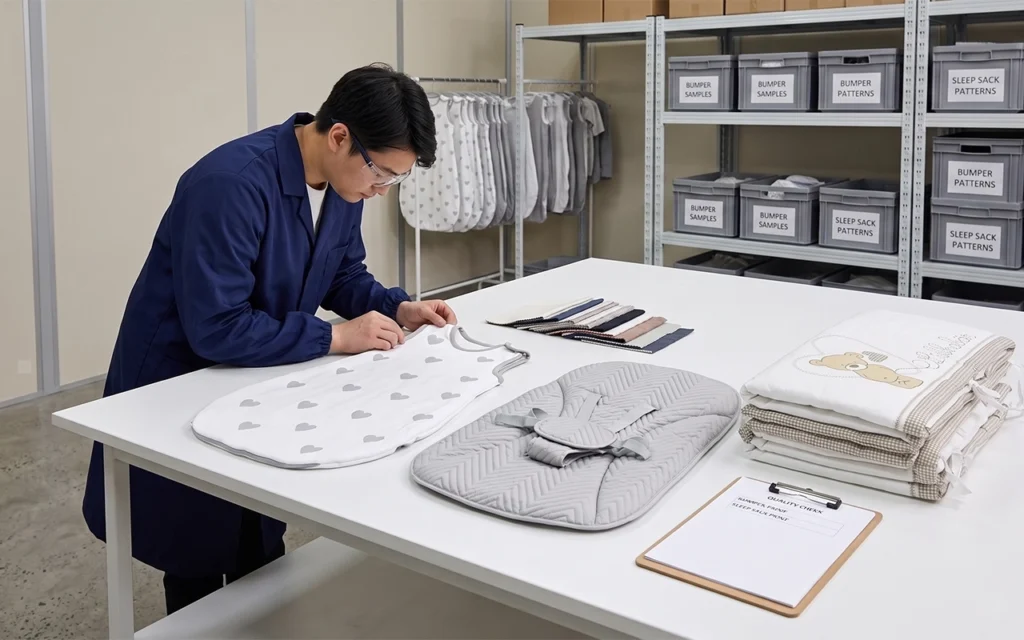
Quality is one of the most important factors in baby product manufacturing.
A professional manufacturer should control quality throughout the production process.
Quality management includes several stages.
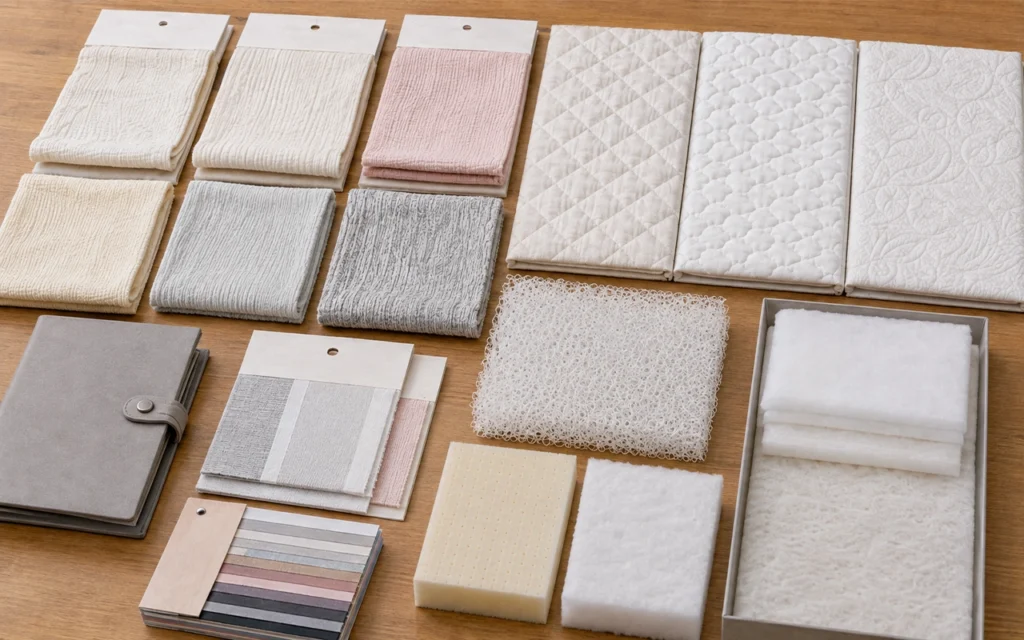
Material Inspection
Manufacturers check fabrics, filling materials, and other components before production.
For example, baby bedding products may require specific material requirements. ELK and Huvis filling materials with OEKO-TEX® Standard 100 certified raw materials can support brands that focus on material safety.
Production Inspection
During manufacturing, teams check:
- Product size
- Sewing quality
- Product appearance
- Manufacturing details
Final Inspection
Before shipment, manufacturers review finished products to ensure they meet customer requirements.
Furthermore, different countries may have different testing expectations.
A reliable manufacturer should support customers by providing:
- Fabric samples
- Material samples
- Finished product samples
According to customer needs, manufacturers can support third-party testing processes with organizations such as Intertek and TÜV.
This support helps international brands prepare products for different markets.
Consider Product Range and Development Capability
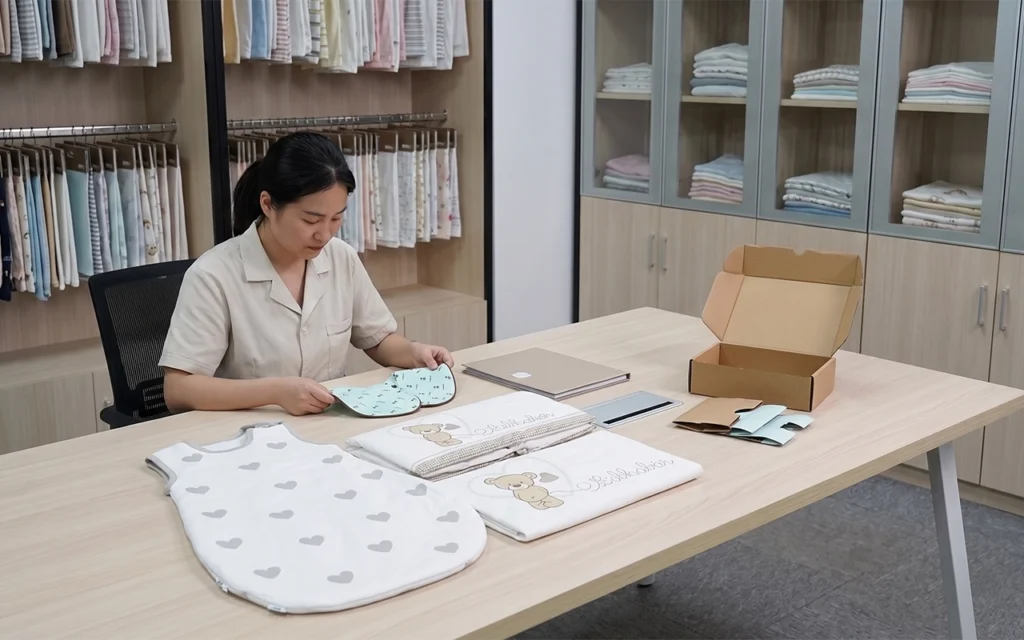
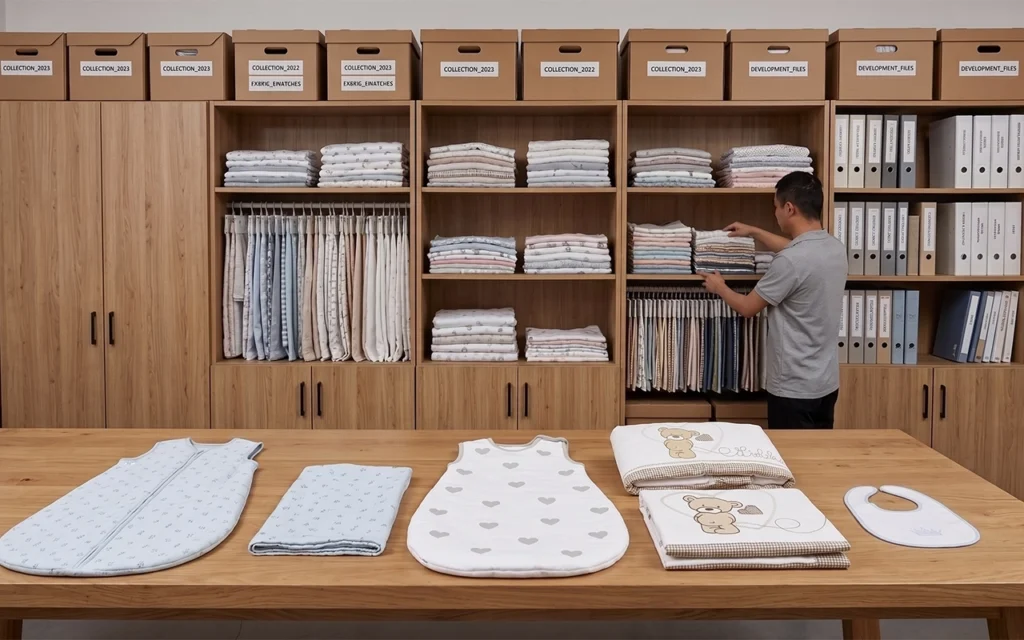
For growing baby brands, working with one experienced manufacturer can simplify supply chain management.
A supplier with multiple product capabilities can help brands develop complete product collections.
For example, a baby brand may need products across different categories.
Feeding Products
Including:
- Cotton bibs
- Muslin bibs
- Triangle bibs
- Petal bibs
- Rounded bibs
Sleeping Products
Including:
- Baby sleep sacks
Bedding Products
Including:
- Baby mattresses
- Crib bumpers
- Bedding sets
- Blankets
- Pillows
- Quilts and duvets
- Towels and washcloths
For mattresses, brands may customize:
- Cover materials
- Core structures
- Product sizes
- Thickness options
Available mattress core solutions may include:
- Hard Fiber
- Foam
- Vertical Fiber
- VLAP Vertical Fiber
- Air Fiber
Furniture & Accessories
Including:
- Hanging bags
- Hanging chairs
- Swing sets
- Seat reducers
- High chair inlays
Moreover, a manufacturer with wider product experience can help brands create consistent product collections.
Understand International Market Experience
International cooperation requires more than manufacturing skills.
A supplier should understand the expectations of different markets.
European and North American brands often focus on:
- Product safety
- Material quality
- Design preferences
- Packaging requirements
- Product consistency
A manufacturer with international experience can communicate more effectively with overseas customers.
They understand that every market has different needs.
For example, a brand developing a new baby collection may need support with:
- Material selection
- Product customization
- Testing preparation
- Production planning
Therefore, choosing a supplier with global cooperation experience can make the development process smoother.
A reliable manufacturer should become a long-term partner instead of only a production provider.
Conclusion: Choose a Partner, Not Just a Factory
Choosing the right baby product manufacturer requires careful evaluation.
Price is important, but it should not be the only consideration.
Brands should also review:
- Manufacturing experience
- OEM and ODM capability
- Production facilities
- Sample development support
- Quality control
- Testing support
- Product range
- International experience
A strong manufacturing partner helps brands reduce risks and create better products.
With more than 40 years of baby product manufacturing experience, Inorange Baby provides OEM and ODM solutions for global baby brands.
From product ideas and customization to sample development and production, we support customers in creating reliable baby products for European and North American markets.
A good manufacturer does not only make products. A good manufacturer helps brands build successful product collections.