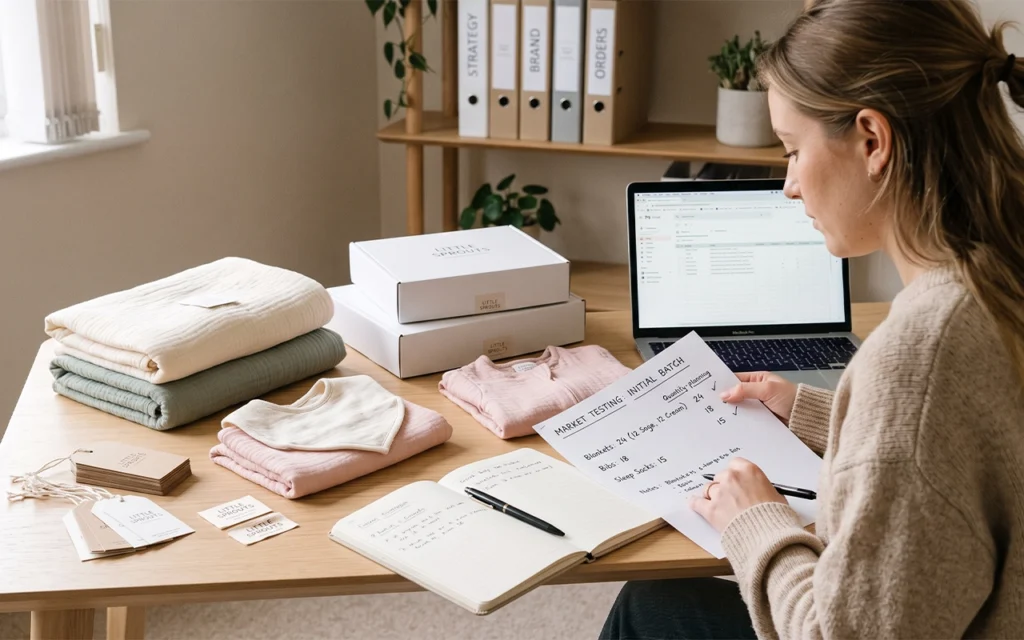
Why Small MOQ Matters for New Baby Brands
Starting a new baby brand requires careful planning.
For many new businesses, inventory management is one of the biggest challenges. Before entering the market, brands often do not have enough sales data to predict customer demand accurately.
Producing a large quantity at the beginning may create several risks, including:
- Excess inventory
- High upfront investment
- Limited product flexibility
- Difficulty adjusting products based on market feedback
Small MOQ (Minimum Order Quantity) manufacturing provides a more flexible approach for growing brands.
Instead of committing to large production volumes immediately, brands can start with smaller quantities, test market response, and improve products based on real customer feedback.
This approach allows new brands to:
- Reduce inventory pressure
- Control initial investment
- Validate product ideas
- Build confidence before expanding
However, small MOQ does not mean lower product quality.
The key is finding a manufacturer that can balance flexible production with stable quality control.
An experienced baby textile manufacturer can help brands develop products in a more efficient and manageable way.
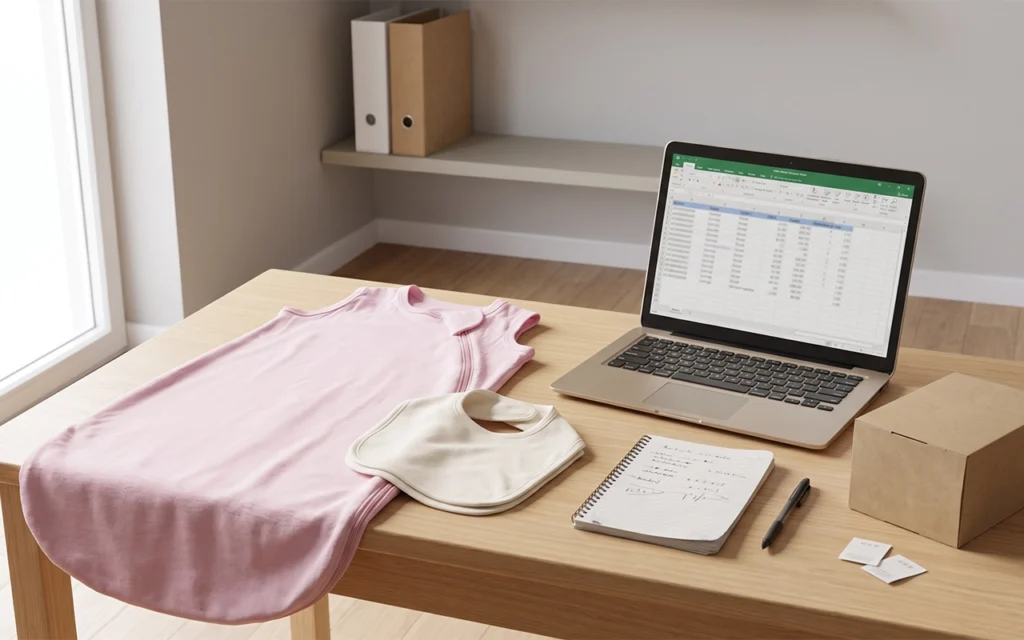
Understanding MOQ in Baby Textile Manufacturing
MOQ stands for Minimum Order Quantity.
It refers to the minimum number of products a manufacturer requires for one production order.
MOQ requirements exist because production involves different costs and processes, including:
- Material purchasing
- Production setup
- Labor arrangement
- Machine operation
- Quality control
Different baby textile products may have different MOQ requirements.
For example:
Simple textile products may require fewer production steps.
Products with customized features may require more preparation.
Factors that can influence MOQ include:
- Fabric selection
- Product structure
- Custom colors
- Printing or embroidery
- Packaging requirements
Therefore, brands should discuss MOQ requirements with manufacturers based on their specific product plans.
A suitable MOQ should match both the production process and the brand’s development stage.
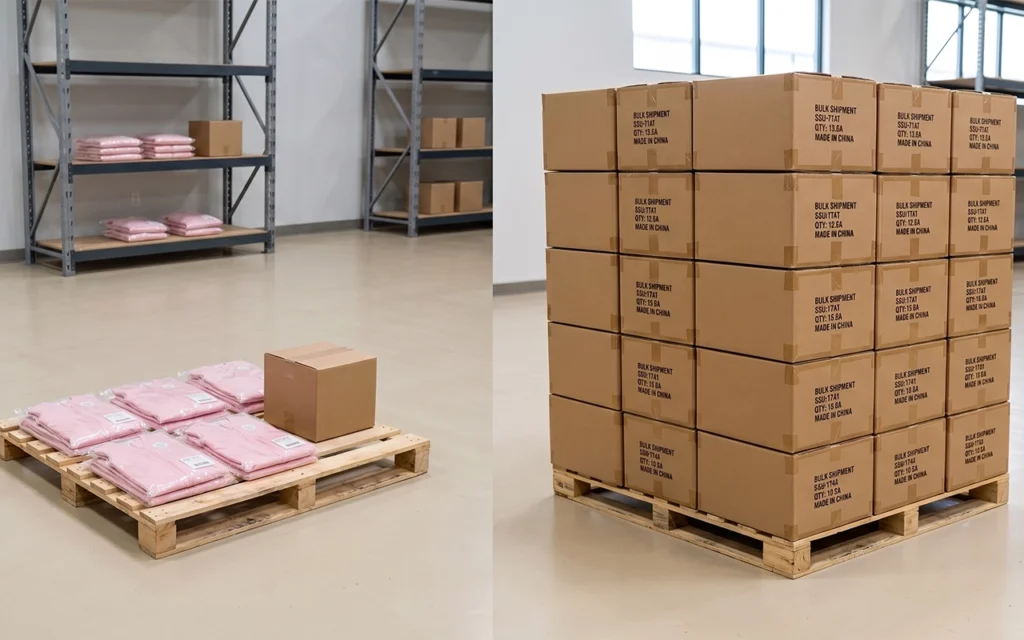
How Small MOQ Helps New Brands Reduce Risk
Small MOQ production provides several advantages for new baby brands.
Reduce Inventory Pressure
Large production quantities require more storage space and financial investment.
For new brands, uncertain market demand can make large inventory risky.
Small MOQ allows brands to start with a controlled quantity.
This helps reduce:
- Storage costs
- Unsold inventory
- Financial pressure
Brands can invest more carefully while learning how customers respond to their products.
Test Market Response
Before expanding production, brands need to understand customer preferences.
Small quantity production allows brands to test:
- Product popularity
- Customer feedback
- Sales performance
- Market demand
For example, a new baby brand may first introduce a small collection of baby bibs.
After collecting customer feedback, the brand can decide whether to expand into:
- Sleep sacks
- Blankets
- Bedding products
- Nursery accessories
This step-by-step approach helps brands make better business decisions.
Improve Product Adjustments
Market feedback is valuable for product improvement.
After an initial launch, brands may discover opportunities to adjust:
- Colors
- Patterns
- Packaging
- Product features
Small MOQ makes these changes easier because brands do not need to manage large quantities of existing inventory.
As a result, brands can continue improving their products based on real customer needs.
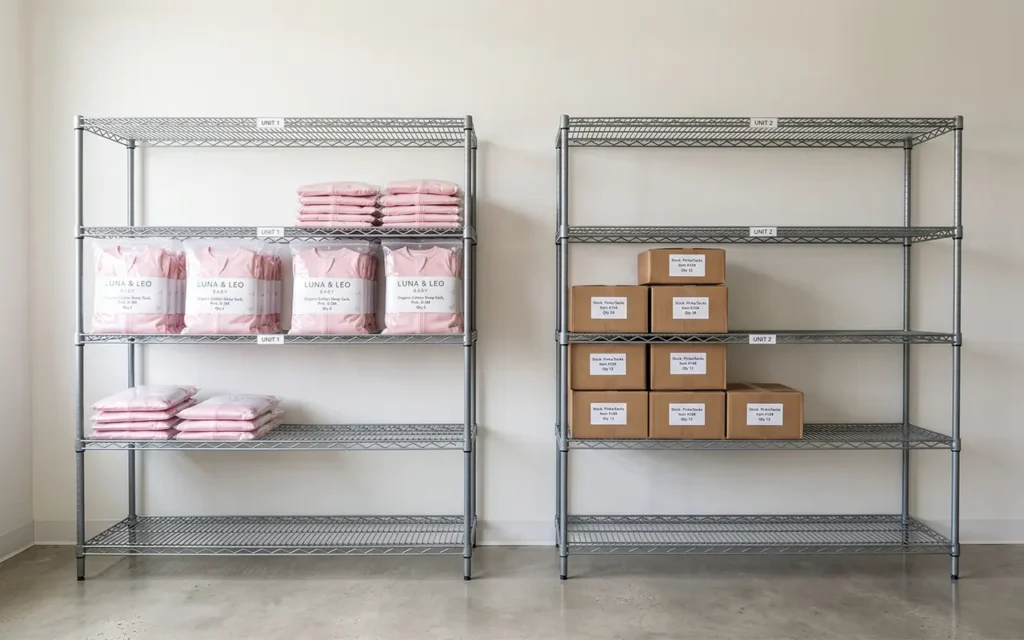
Small MOQ and Custom Baby Product Development
Some brands believe custom products always require large production quantities.
However, flexible manufacturing solutions can help growing brands develop customized products with more manageable quantities.
Depending on the product type, brands may customize:
- Product design
- Fabric selection
- Colors
- Patterns
- Labels
- Packaging
For example:
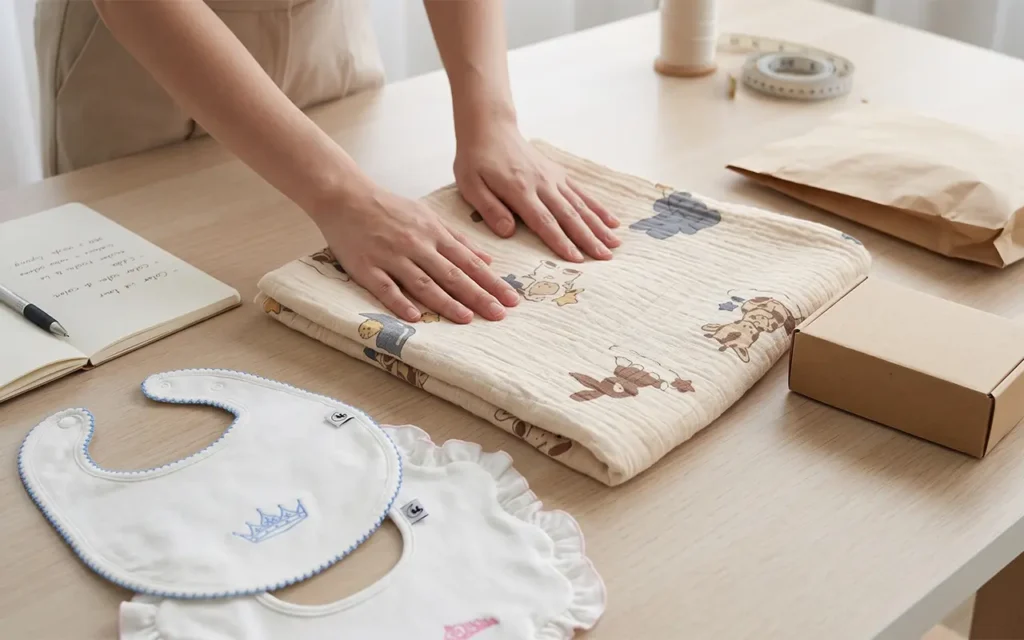
Baby Bibs
Brands may customize:
- Bib shapes
- Fabric options
- Embroidery designs
- Colors
Baby Blankets
Brands may customize:
- Fabric type
- Size
- Patterns
- Product style
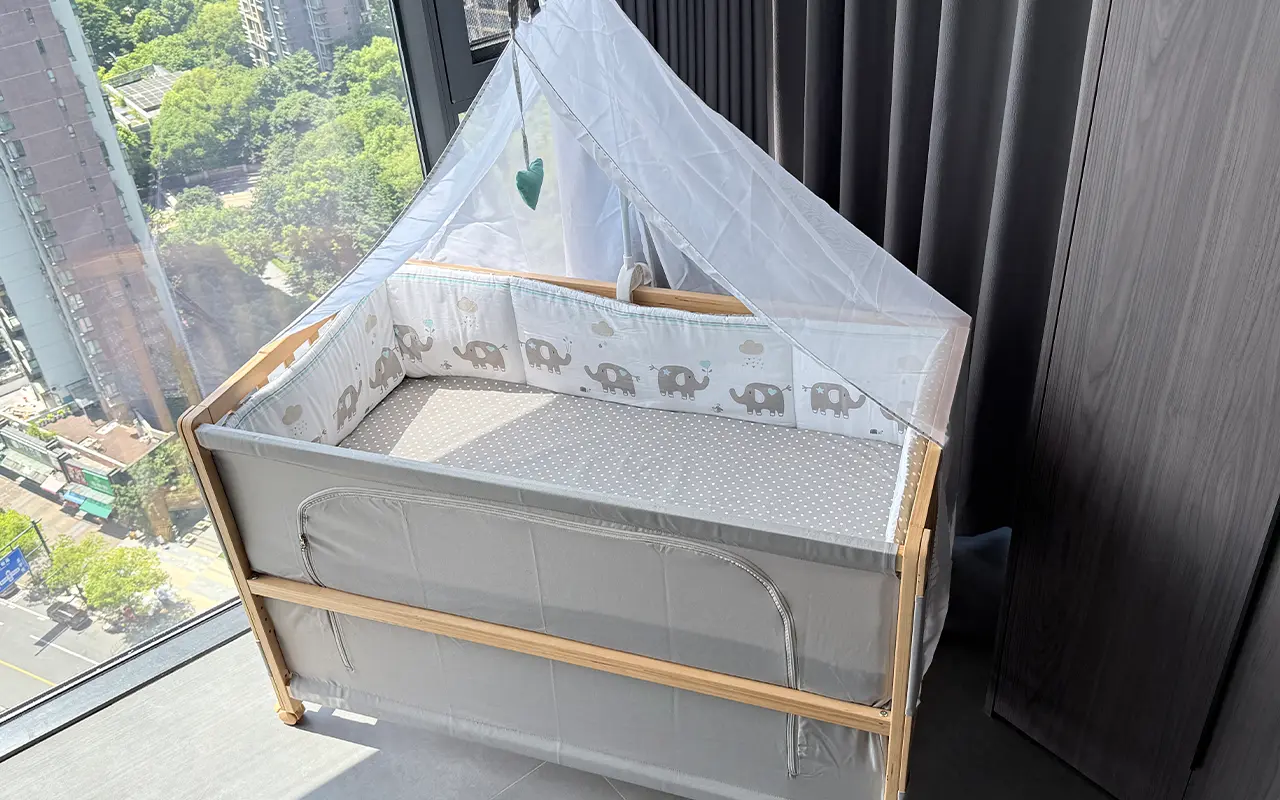
Baby Bedding
Brands may customize:
- Bedding design
- Fabric selection
- Product details
This flexibility helps smaller brands create unique products without immediately committing to extremely large production volumes.
How New Brands Should Plan Their First Order
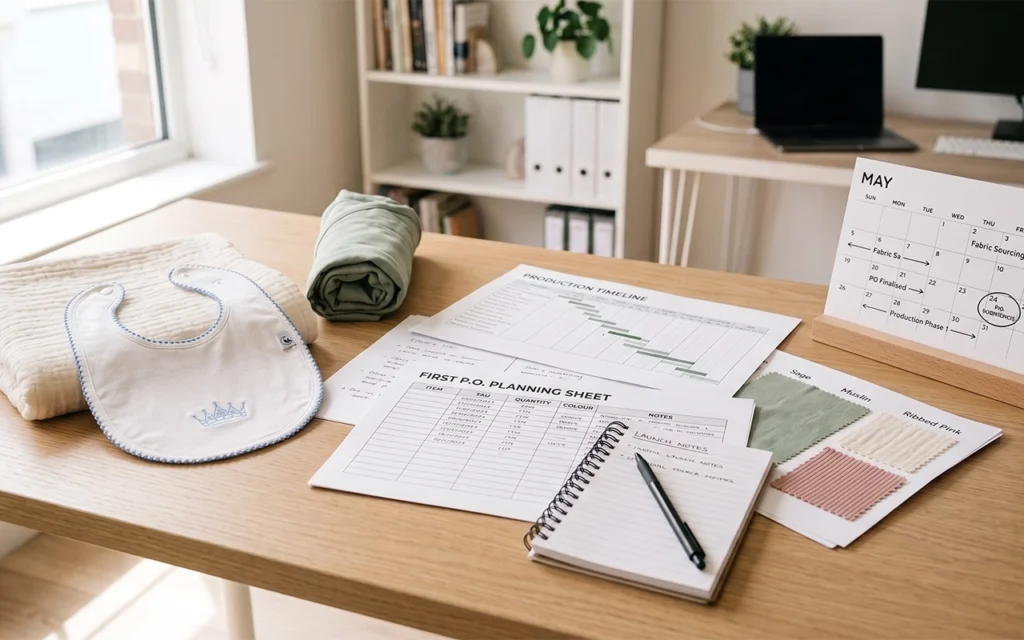
For new brands, the first order should be planned carefully.
Starting with too many products or too many variations can increase complexity.
A better approach is to focus on key products first.
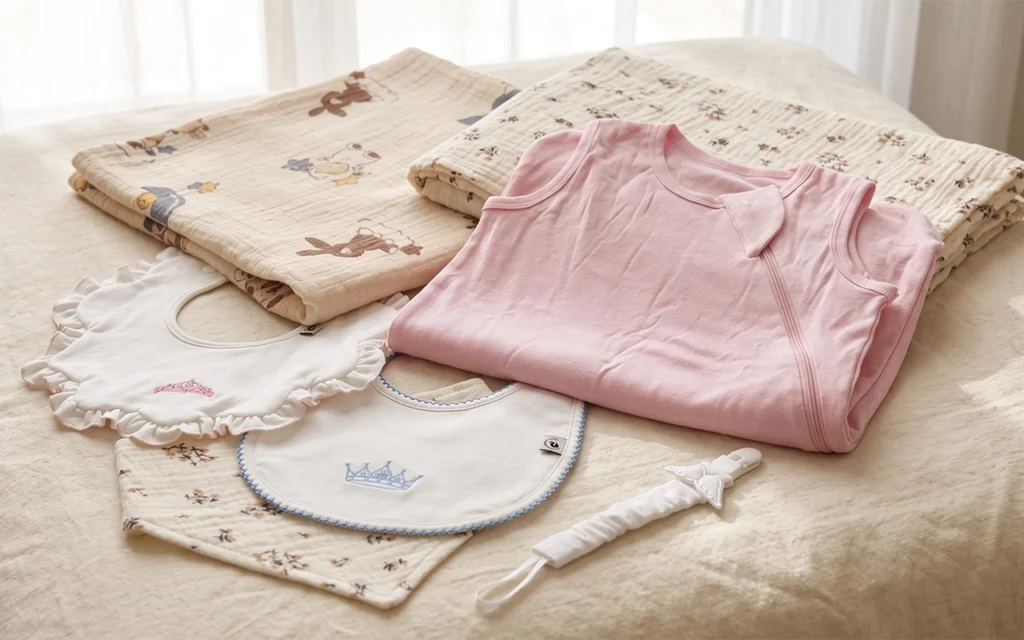
Start With Core Products
Brands can begin with products that represent their identity.
For example:
First stage:
- Baby bib collection
Second stage:
- Sleep products
Third stage:
- Complete nursery product lines
This gradual approach allows brands to build experience and understand customer demand.
Choose Products With Market Potential
When selecting products, brands should consider:
- Customer needs
- Product usage frequency
- Market trends
- Brand positioning
Products with practical value and strong customer demand often provide better opportunities for early growth.
Plan Future Expansion
The first order is not only about immediate sales.
It also provides valuable market information.
Brands can use early feedback to decide:
- Which products to expand
- Which designs to improve
- Which categories to develop next
A clear growth plan helps brands build a stronger product portfolio over time.
Factors That Influence MOQ Requirements
MOQ is affected by many factors during product development.
Understanding these factors helps brands plan better.
Material Selection
Different materials may require different production arrangements.
For example, customized fabrics or special colors may require additional preparation.
Material choices can influence:
- Production quantity
- Production cost
- Development time
Product Complexity
Products with more details may require additional processes.
Examples include:
- Embroidery
- Printing
- Special structures
- Customized accessories
More complex designs may require different MOQ considerations.
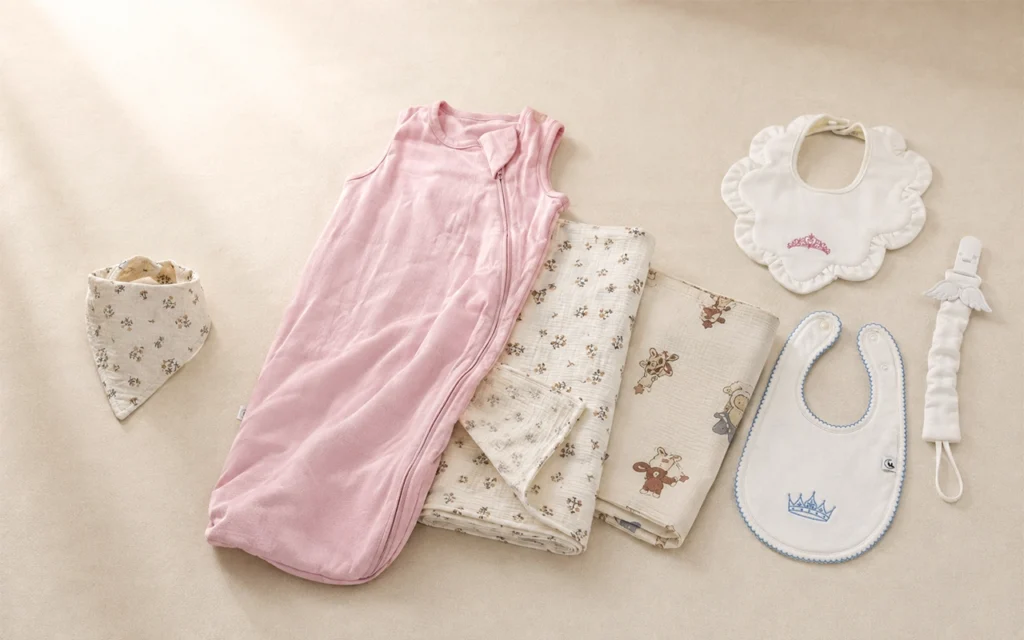
Product Category
Different product categories have different manufacturing requirements.
For example:
Baby bibs may have different production needs compared with:
- Sleep sacks
- Bedding sets
- Mattresses
- Nursery accessories
Therefore, brands should communicate product details clearly with manufacturers before confirming orders.
How Manufacturers Support Growing Baby Brands
A reliable manufacturer provides more than production services.
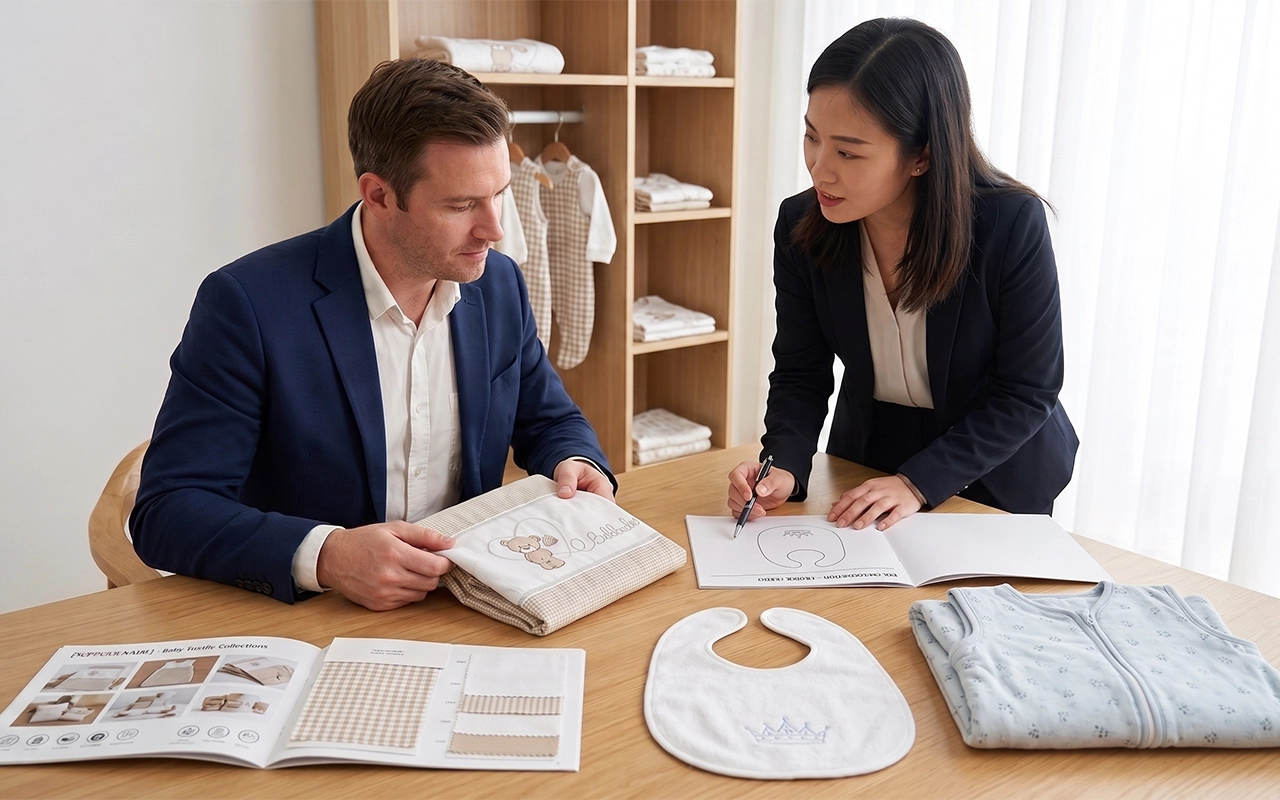
For growing brands, a good manufacturing partner can provide support throughout product development.
Support may include:
- Product recommendations
- Material suggestions
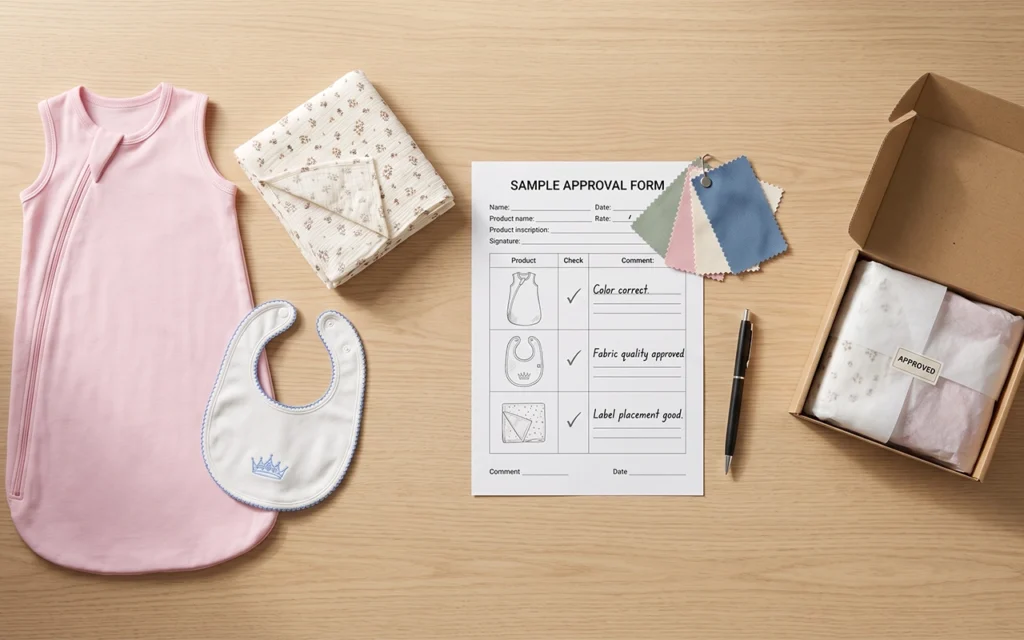
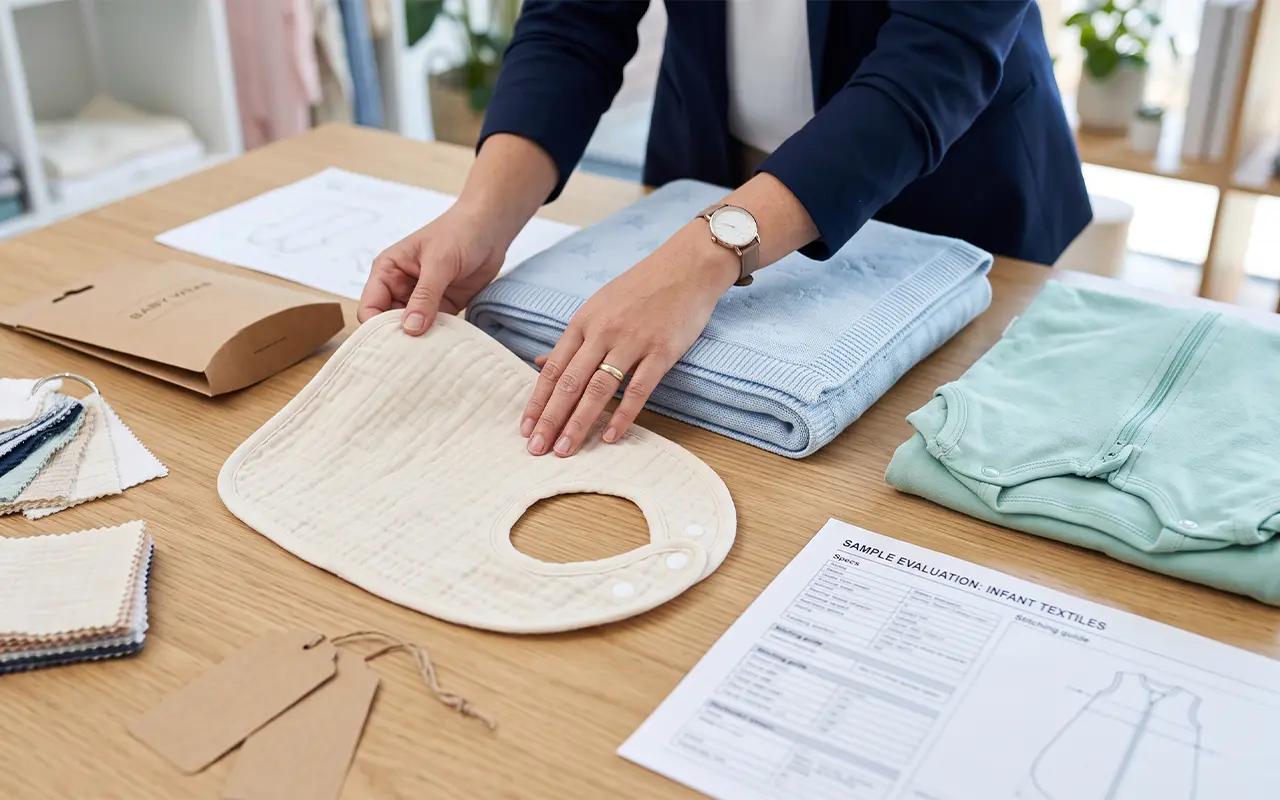
- Sample development
- Production planning
- Quality management
Experienced manufacturers can help brands find practical solutions based on:
- Product goals
- Market requirements
- Budget considerations
This type of cooperation allows new brands to develop products more efficiently and reduce unnecessary risks.
Conclusion: Small MOQ Creates Flexible Growth Opportunities
Small MOQ manufacturing provides new baby brands with a practical way to enter the market.
It helps brands:
- Reduce inventory risk
- Test product ideas
- Collect customer feedback
- Improve products gradually
However, small MOQ should not mean lower quality.
Brands should still choose manufacturers with:
- Production experience
- Stable quality control
- Custom development capability
The right manufacturing partner can help brands start with manageable quantities and gradually build a complete product collection.
With more than 40 years of experience in baby textile manufacturing, Inorange Baby supports growing brands with flexible OEM and ODM solutions.
From initial samples to product expansion, we help brands develop customized baby textile products with reliable production support for international markets.