Introduction: Why Choosing the Right Supplier Matters
Sourcing baby textile products from overseas suppliers can create great opportunities for brands. However, the process also includes many challenges. A supplier may offer attractive prices, but price alone does not guarantee a successful partnership.
For baby products, small mistakes can create bigger problems. A wrong fabric choice may affect comfort. An unclear specification may cause production differences. A weak quality control process may lead to customer complaints after shipment.
Therefore, buyers need to evaluate suppliers carefully before placing bulk orders. The right supplier should provide more than manufacturing. They should offer professional communication, product development support, and reliable quality management.
At Inorange Baby, we believe successful sourcing starts with understanding potential risks. By identifying common mistakes early, brands can reduce unnecessary costs and build stronger supply relationships.
Mistake 1: Choosing a Supplier Only Based on Price
One of the most common mistakes is selecting a supplier only because of a low quotation.
A lower unit price may look attractive at the beginning. However, buyers should also consider product quality, communication efficiency, production capability, and after-sales support.
For baby textile products, the cheapest option may create hidden costs later. Poor fabric quality can increase return rates. Inconsistent sizing can affect customer reviews. Production delays can also impact product launches.
A professional supplier helps buyers balance cost and quality. They understand how different materials, construction methods, and production processes influence the final product.
Moreover, a reliable supplier explains why a product costs a certain amount. They can provide clear information about fabric, workmanship, packaging, and production requirements.
Therefore, buyers should evaluate the complete value of a supplier instead of comparing only the final price.
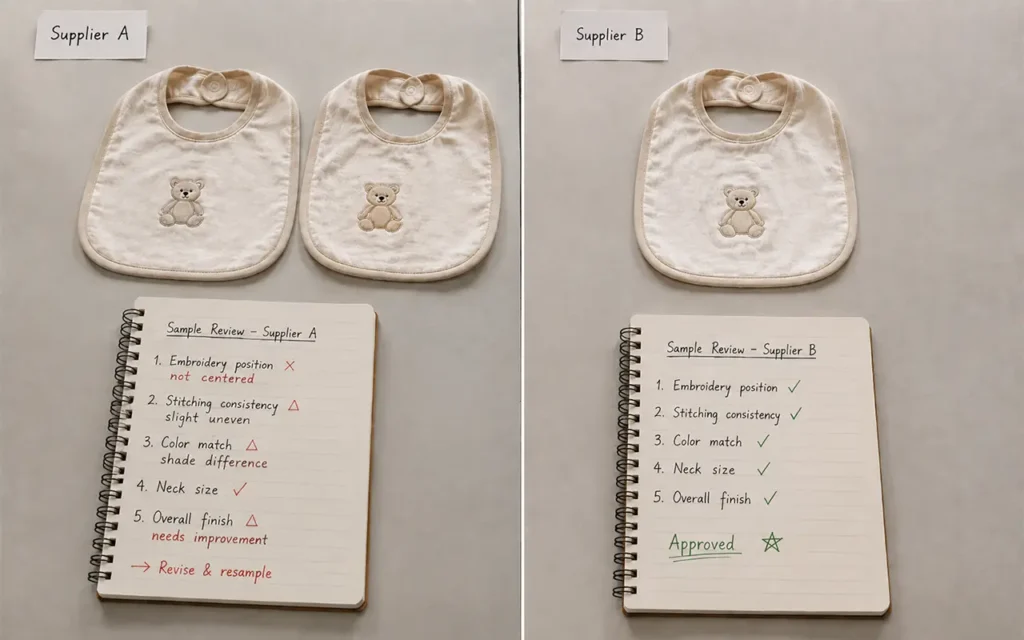
Mistake 2: Ignoring Fabric Selection and Material Requirements
Fabric selection plays a major role in baby textile product quality. However, some buyers focus mainly on appearance and overlook material performance.
Baby products have direct contact with sensitive skin. Therefore, materials need careful evaluation before production begins.
Different products require different fabric characteristics.
For example:
- Baby bibs need softness and absorbency.
- Blankets need comfort and breathability.
- Sleep sacks need suitable thickness and temperature control.
- Bedding products need durability and washing performance.
In addition, fabric details such as composition, weight, texture, and shrinkage can affect production results.
A professional manufacturer helps buyers select suitable materials based on product function and target market. They consider both customer expectations and manufacturing requirements.
Furthermore, fabric selection should happen before sampling. This step prevents problems later, such as incorrect hand feel, unstable shape, or unexpected production costs.
A good product starts with the right material choice.
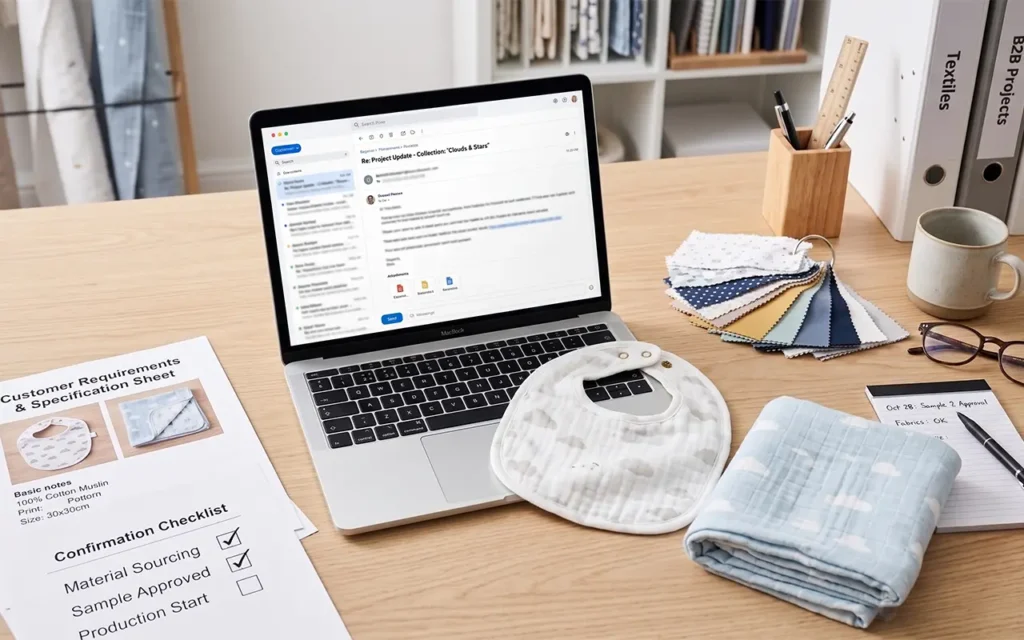
Mistake 3: Skipping Sample Development Before Mass Production
Another common mistake is starting bulk production without a proper sample approval process.
A product image or design file does not always show every production detail. Some problems only appear after creating a physical sample.
For example, a buyer may discover:
- the product size feels different from expected
- embroidery placement needs adjustment
- the shape needs improvement
- sewing details require changes
- fabric performance does not match expectations
Therefore, sample development is an important step before bulk manufacturing.
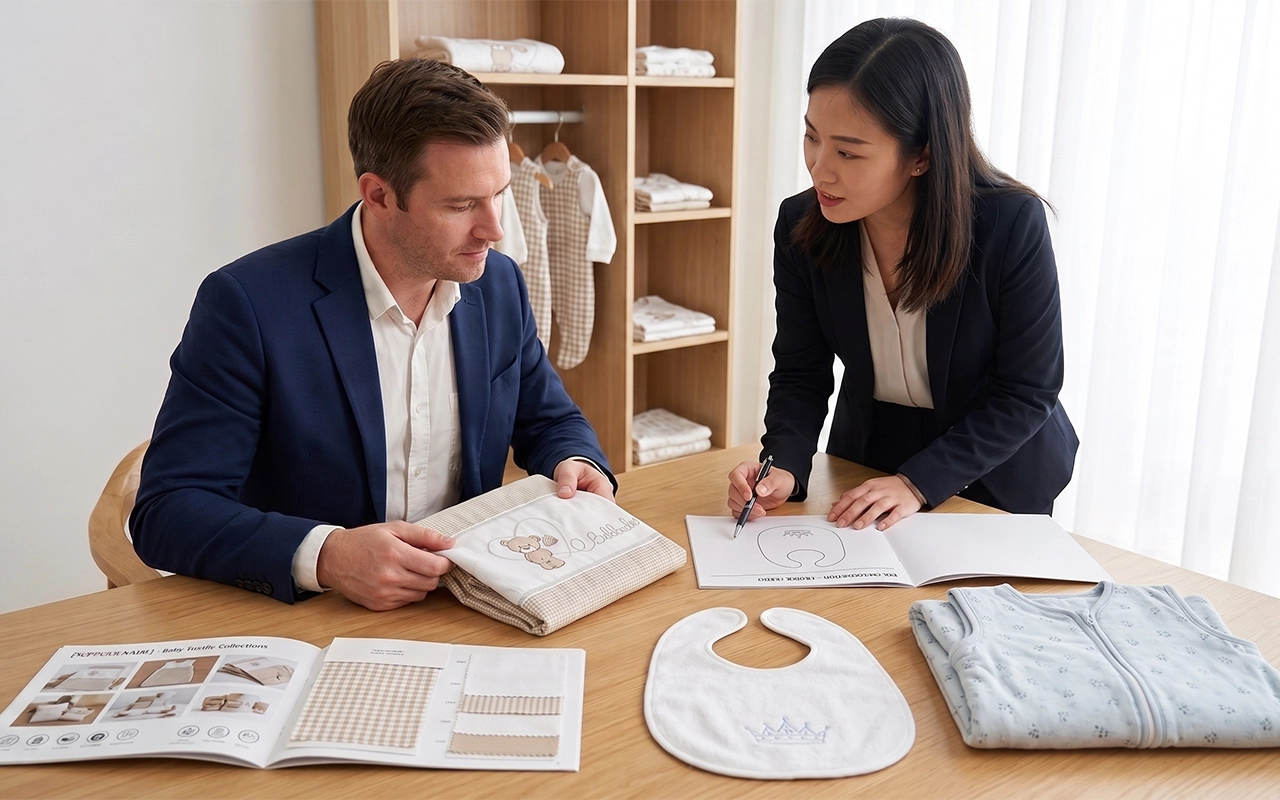
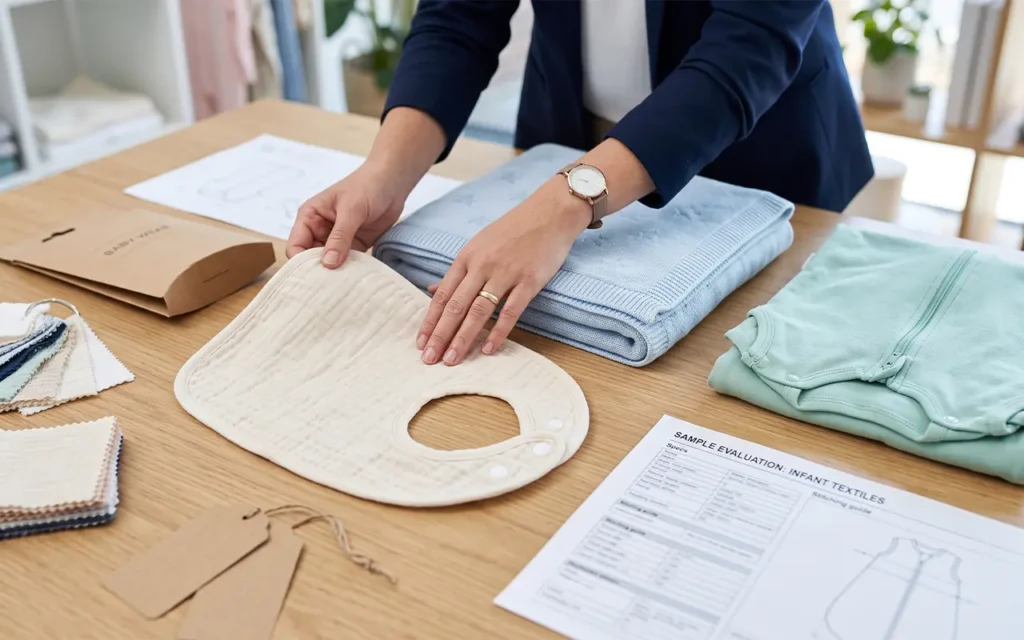
During the sampling stage, buyers and manufacturers can review the product together. They can check appearance, measurements, materials, and construction details.
Moreover, sample approval creates a clear production reference. The buyer, designer, and factory team can follow the same standard during mass production.
As a result, proper sampling reduces production risks and improves consistency.
A strong supplier does not rush directly into manufacturing. They help buyers refine products before large quantities are produced.
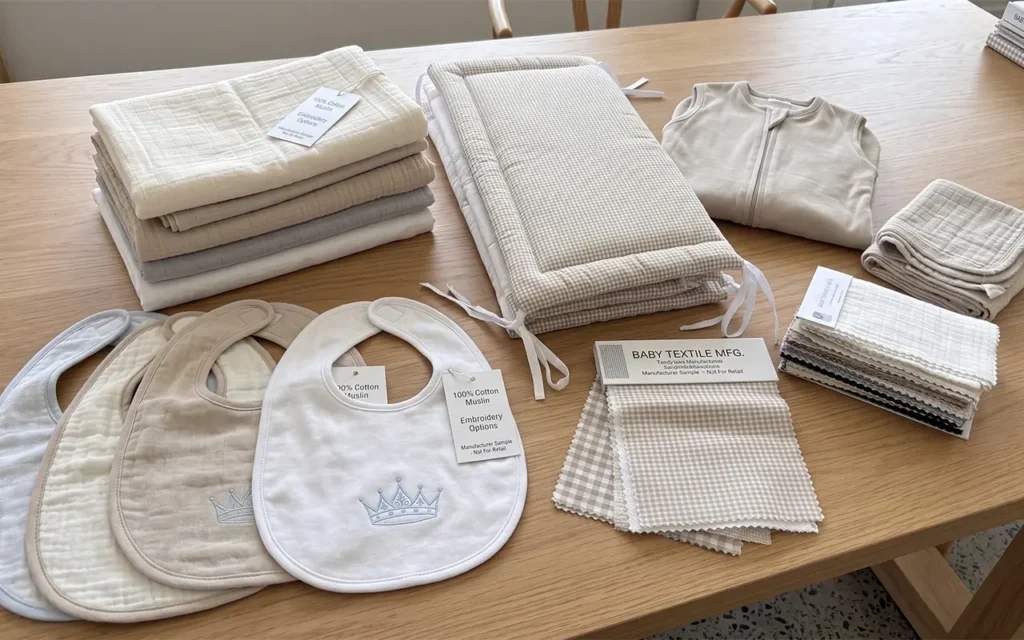
Mistake 4: Not Confirming Product Details Clearly
Clear communication is essential in overseas sourcing. Many production problems happen because product details are not confirmed before manufacturing.
A simple description may create different interpretations.
For example, “soft cotton bib” does not explain:
- fabric composition
- thickness
- size
- embroidery position
- edge finishing
- packaging requirements
Therefore, buyers should prepare detailed product information before production.
Important details may include:
- product dimensions
- material specifications
- color references
- artwork files
- label requirements
- packaging instructions
- quality expectations
In addition, technical drawings and sample approvals help reduce misunderstandings.
A professional supplier will also ask questions before production. They will check unclear information and suggest improvements when necessary.
Good communication does not only prevent mistakes. It also helps create better products.
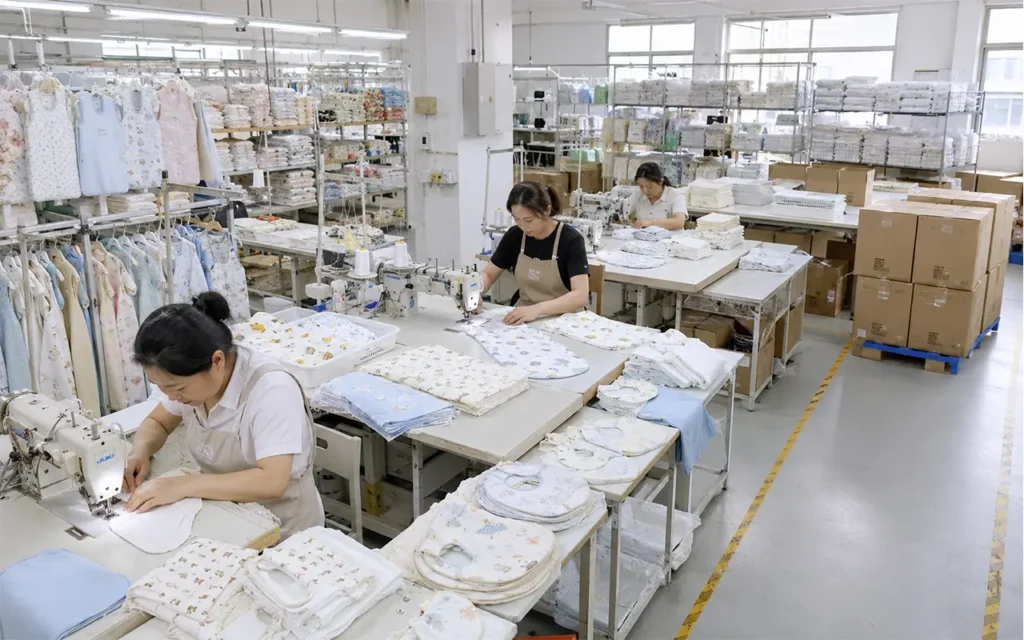
Mistake 5: Ignoring the Supplier’s Product Development Ability
Many buyers only look for factories that can manufacture products. However, product development support can create additional value.
A strong supplier does more than follow instructions. They can help improve product ideas and solve technical problems.
For example, a buyer may provide an inspiration image. The supplier can help evaluate:
- whether the structure works
- whether the material is suitable
- whether the design is easy to produce
- whether the cost matches the target market
This support becomes especially important for new brands.
New companies may have creative ideas but limited manufacturing experience. A development-focused supplier can help transform those ideas into practical products.
Furthermore, early cooperation between designers and manufacturers can reduce unnecessary revisions.
The best supplier relationship is not only about production. It is about building products together.
Mistake 6: Focusing Only on Production Instead of Long-Term Partnership
Some buyers treat suppliers as simple production resources. However, successful brands usually build long-term relationships with reliable manufacturers.
A long-term supplier understands the brand’s products better over time. They learn quality expectations, preferred materials, packaging style, and market requirements.
As a result, future orders become smoother.
A good manufacturing partner can support:
- new product development
- repeat orders
- quality improvement
- production planning
- market expansion
Moreover, stable cooperation helps both sides improve efficiency.
The supplier understands the buyer’s expectations. The buyer gains confidence in production consistency.
Therefore, choosing a supplier should not only focus on one order. Buyers should consider whether the supplier can support future growth.
How to Choose a Reliable Baby Textile Supplier
Avoiding these mistakes can help brands create stronger sourcing strategies.
Before choosing a supplier, buyers should evaluate:
- Product Development Capability
Can the supplier help improve designs and develop samples?
- Material Knowledge
Can the supplier recommend suitable fabrics for different products?
- Quality Control Process
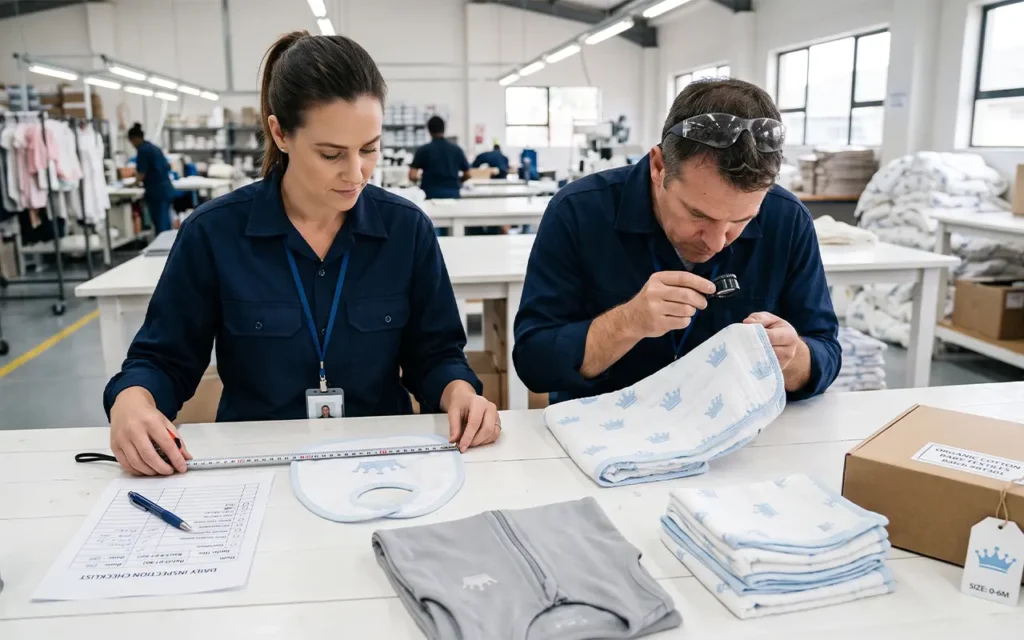
Does the supplier check materials, production stages, and finished products?
- Communication Ability
Can the supplier clearly explain production details and solve problems?
- Long-Term Support
Can the supplier support future collections and repeat orders?
These factors help buyers find partners who provide stable value instead of temporary solutions.
Conclusion: A Reliable Supplier Helps Brands Reduce Risk
Successful baby textile sourcing requires more than finding a factory with a good price.
Brands need suppliers who understand materials, production, quality control, and product development.
By avoiding common sourcing mistakes, buyers can reduce unexpected problems and improve product consistency.
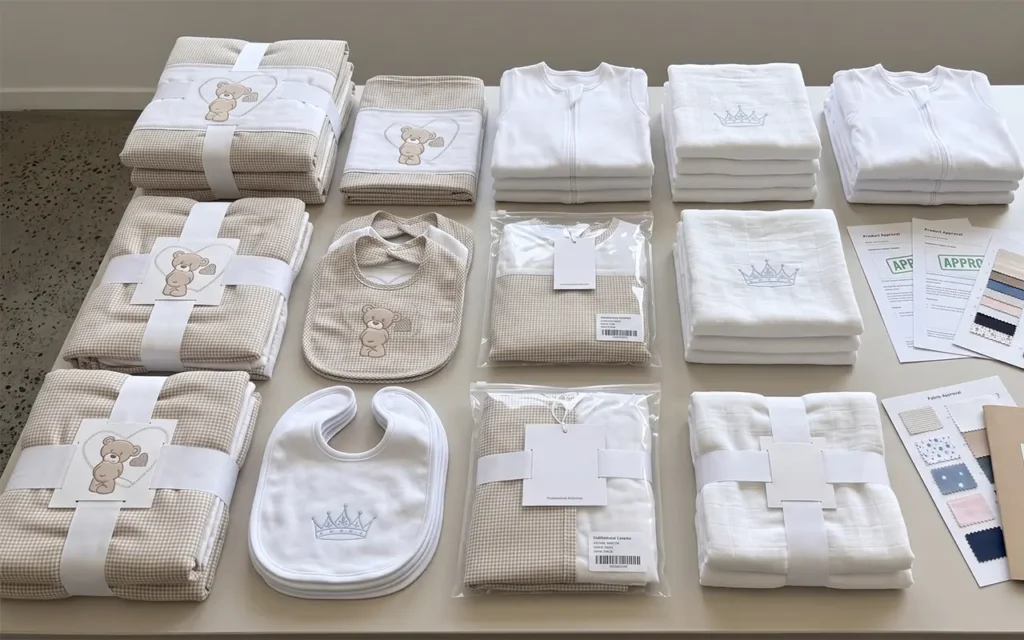
At Inorange Baby, we support brands through every stage of baby textile development. From material selection and sampling to production and quality control, our goal is to help customers create reliable products for their markets.