Why Private Label Is Growing in the Baby Market
The baby product market continues to grow as more brands look for unique products that match their customers’ needs.
For many new and growing baby brands, creating products from scratch can be challenging. They need professional support in areas such as product design, material selection, manufacturing, and quality control.
Private label manufacturing provides an effective solution.
Instead of developing a complete production system, brands can work with experienced manufacturers to create products under their own brand names.
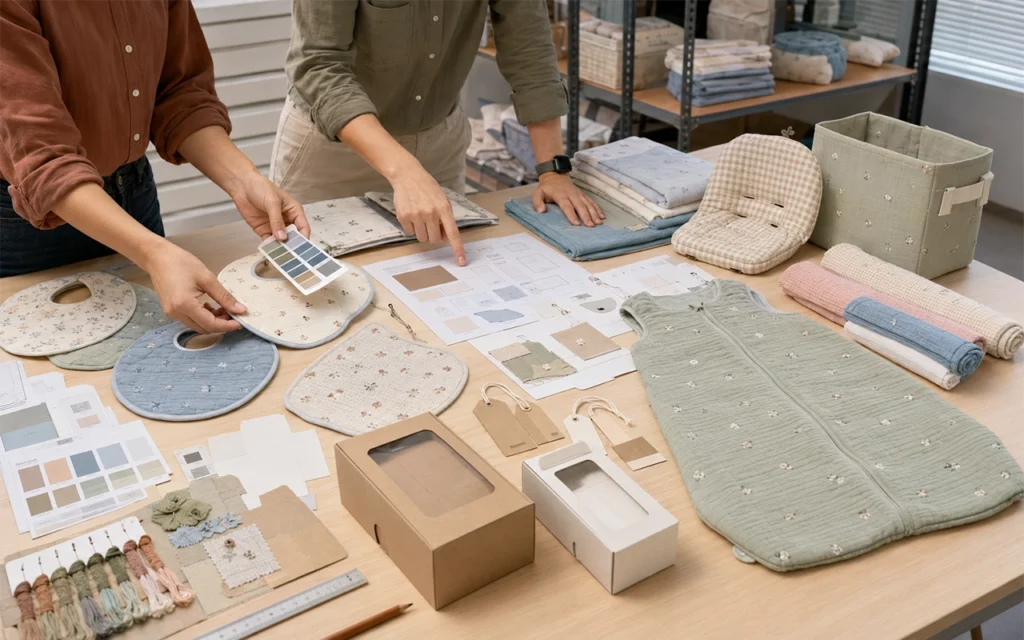
A private label manufacturer helps brands transform product ideas into finished products. The process may include product customization, material selection, packaging development, sample approval, and mass production.
This approach allows brands to focus more on marketing, customer relationships, and business growth.
For baby brands entering European and North American markets, choosing the right private label partner is especially important. The supplier should understand product quality, market expectations, and customization requirements.
With more than 40 years of experience in baby product manufacturing, Inorange Baby provides OEM and ODM solutions for global brands. The company supports customers in developing customized baby products, from initial concepts to final production.
What Are Private Label Baby Products?
Private label baby products are products manufactured by a supplier but sold under a brand’s own name.
In this model, the brand controls the market positioning, branding, and sales strategy. The manufacturer provides production support and helps create the physical products.
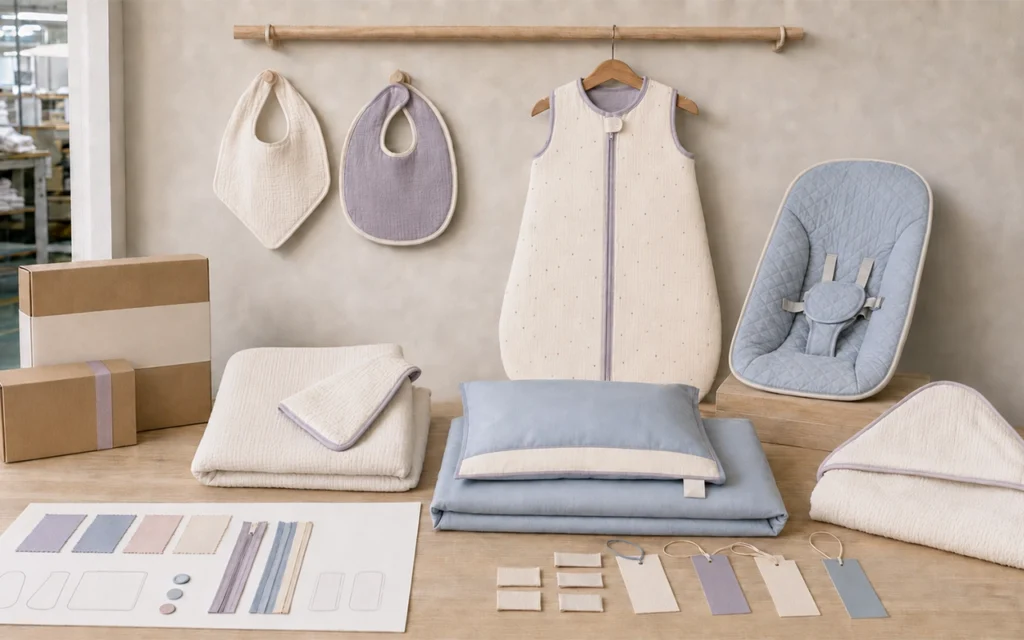
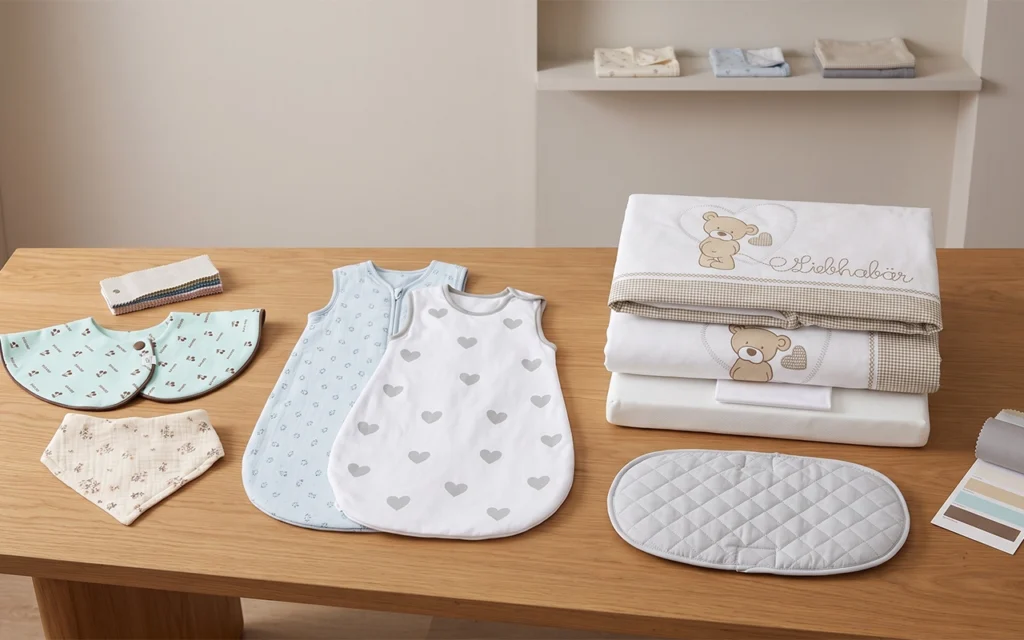
Private label products can include many baby categories, such as:
- Baby bibs
- Sleep sacks
- Bedding products
- Baby blankets
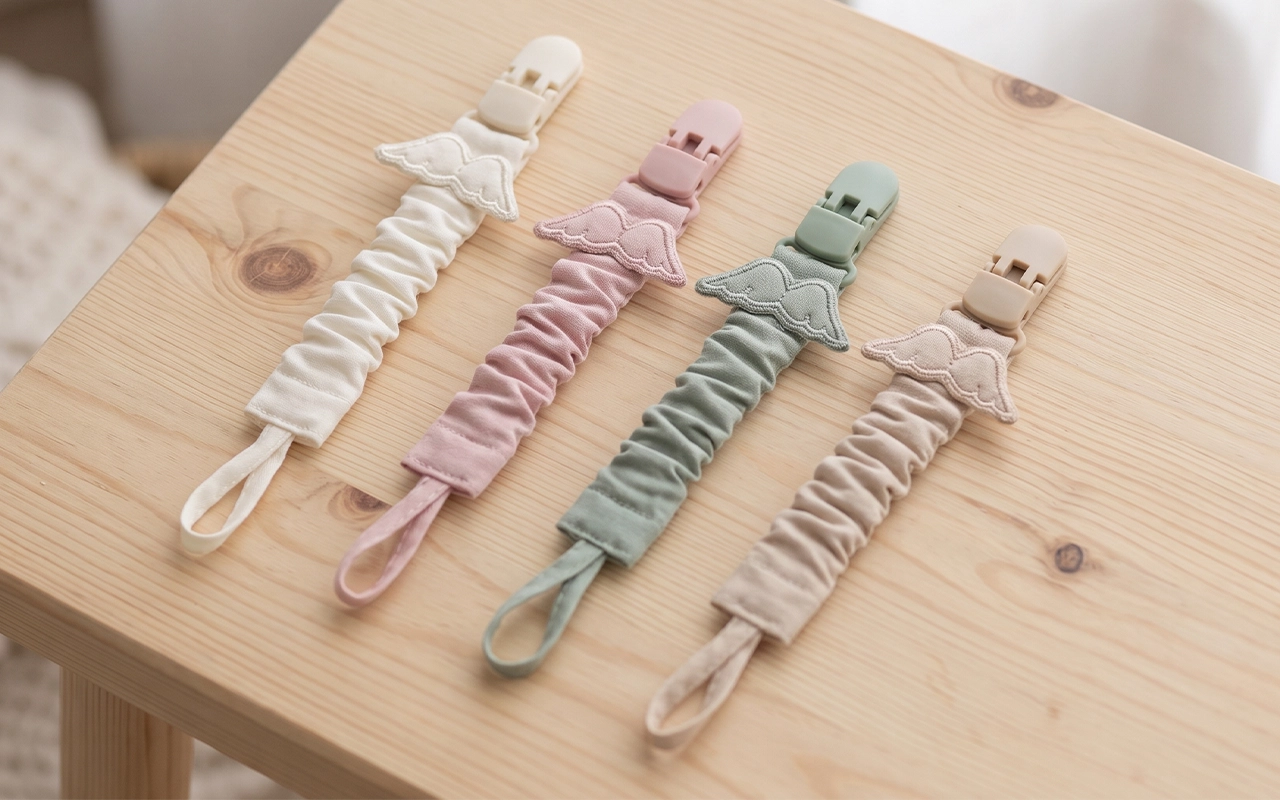
- Nursery accessories
Unlike simple reselling, private label allows brands to create products with their own identity.
Brands can customize:
- Product design
- Materials
- Colors
- Sizes
- Packaging
- Labels
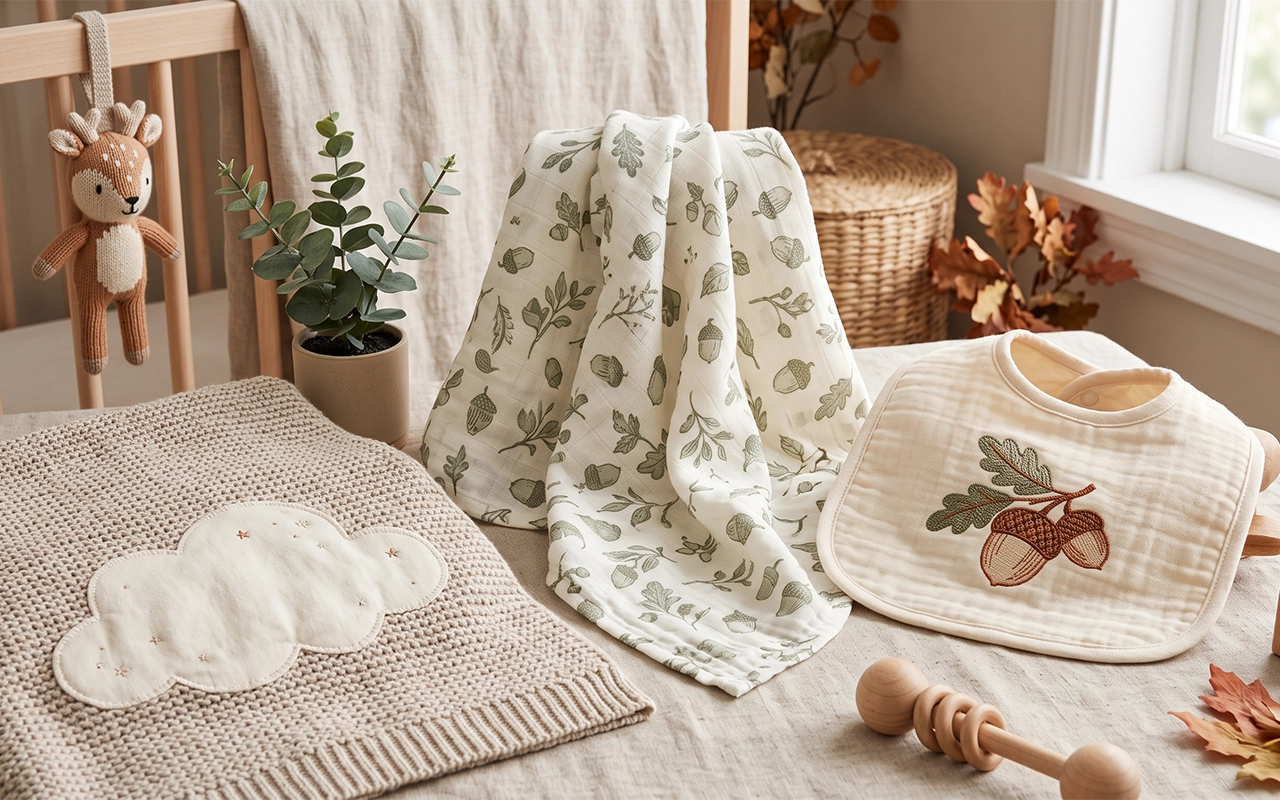
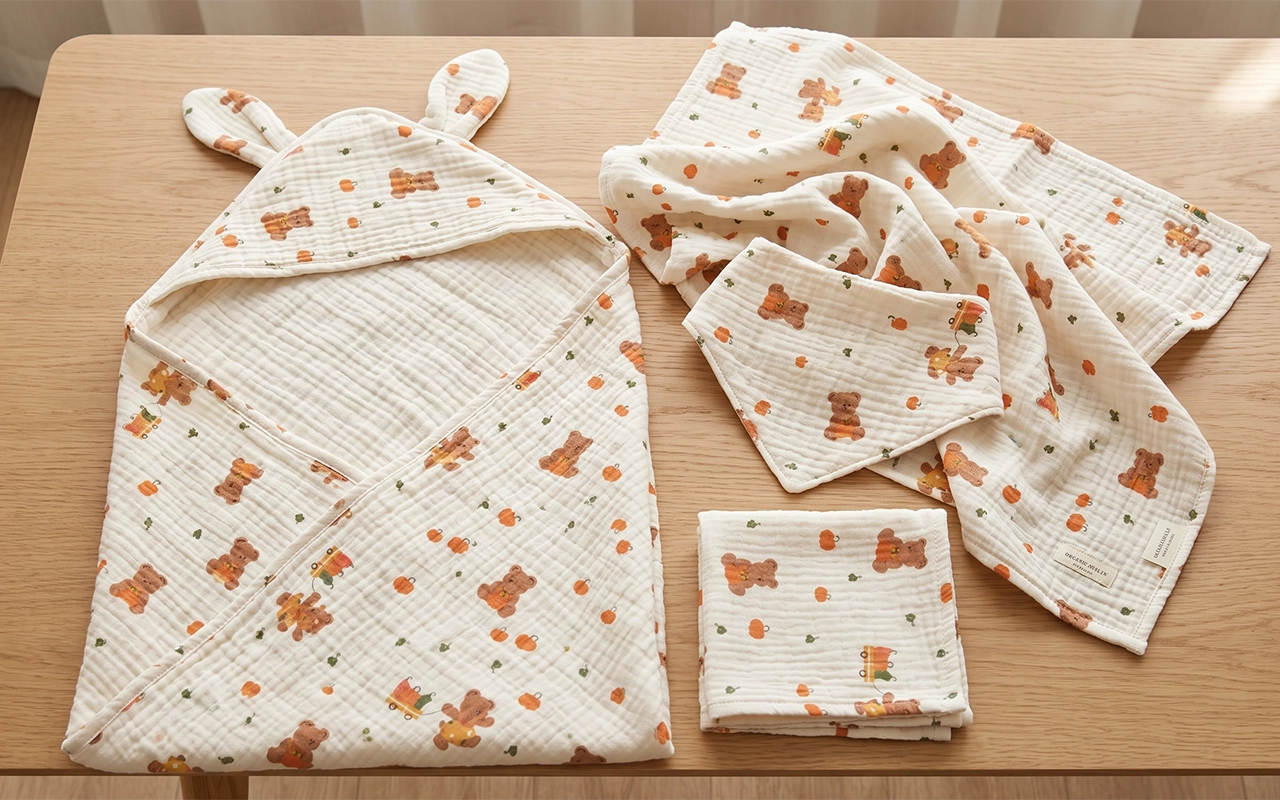
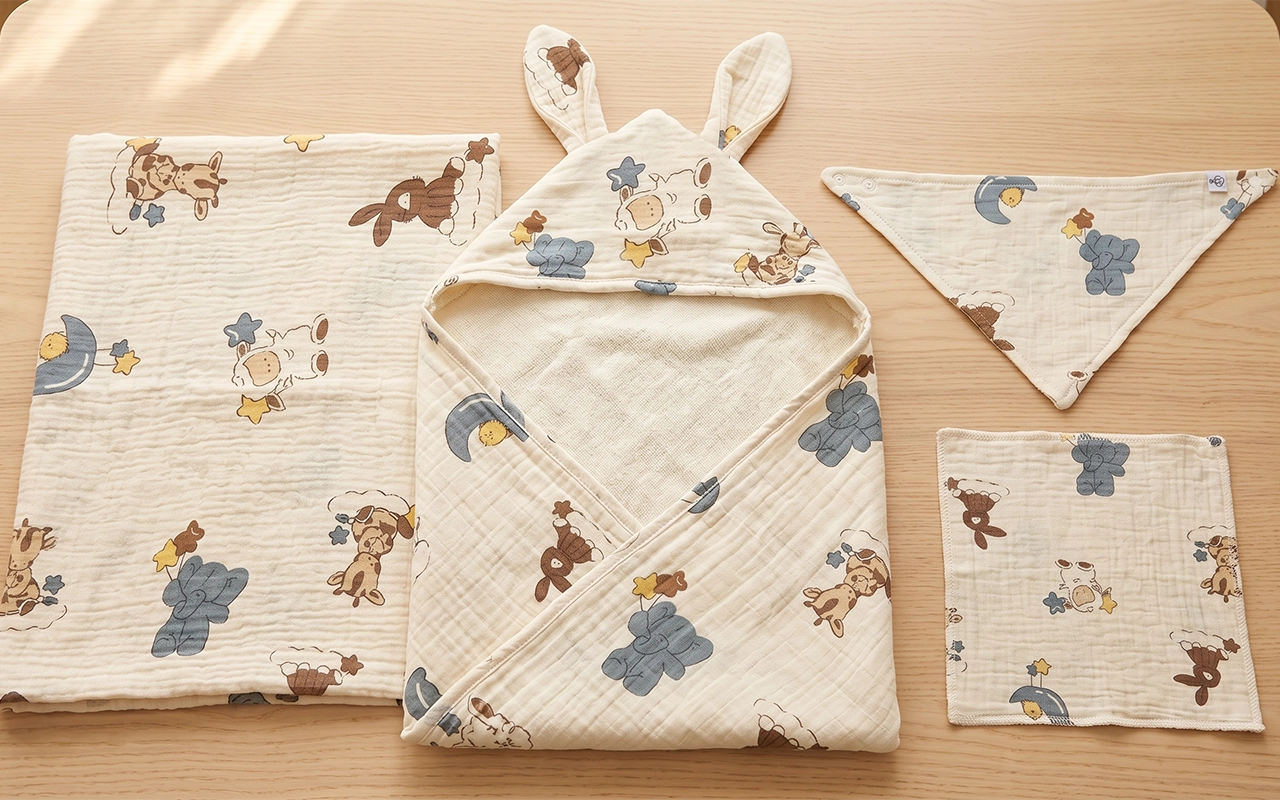
For example, a baby brand may want to create a unique nursery collection. The manufacturer can help develop matching products, including bibs, blankets, bedding sets, and accessories.
Therefore, private label gives brands more control over product differentiation.
Why Choose Private Label Manufacturing for Baby Products?
Many growing brands choose private label because it reduces the difficulty of product development.
Building an internal production team requires significant investment. Brands need equipment, workers, production knowledge, and quality management systems.
However, working with an experienced manufacturer allows brands to access these resources directly.
The benefits include:
Product Customization
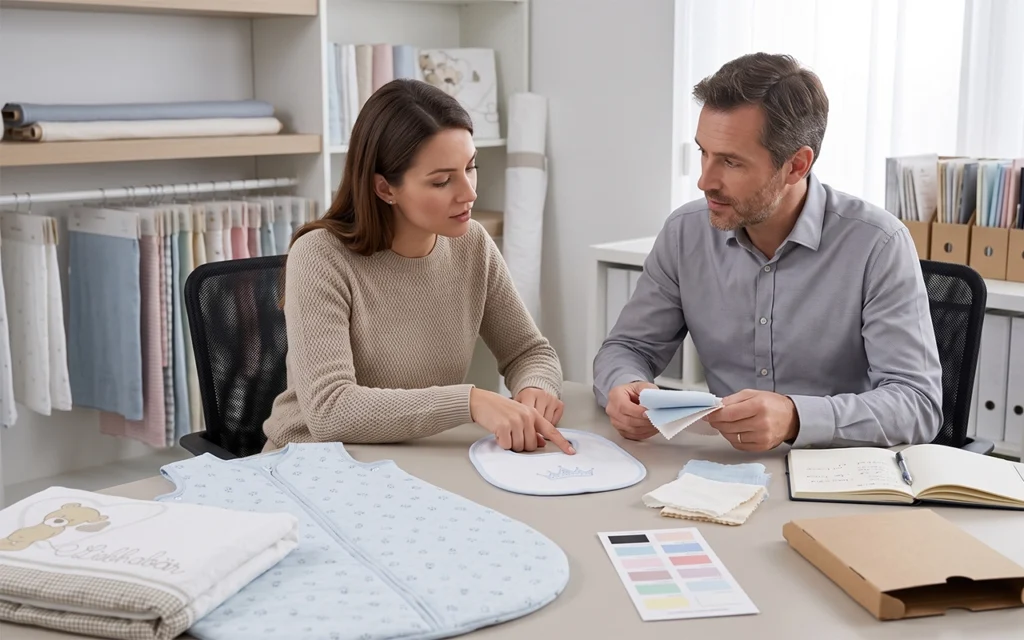
Brands can create products that match their market position.
They can select:
- Fabrics
- Colors
- Product structures
- Designs
- Packaging styles
Professional Manufacturing Support
Experienced manufacturers understand production challenges.
They can provide suggestions during development and help brands avoid common mistakes.
Flexible Product Development
Brands can start with one product and expand gradually.
For example:
A brand may first launch baby bibs.
Later, it can develop:
- Sleep sacks
- Bedding products
- Nursery accessories
Moreover, private label manufacturing helps brands build a unique product collection instead of competing only with existing products.
How Does the Private Label Baby Product Development Process Work?
A successful private label product requires cooperation between the brand and manufacturer.
The process usually starts with an idea.
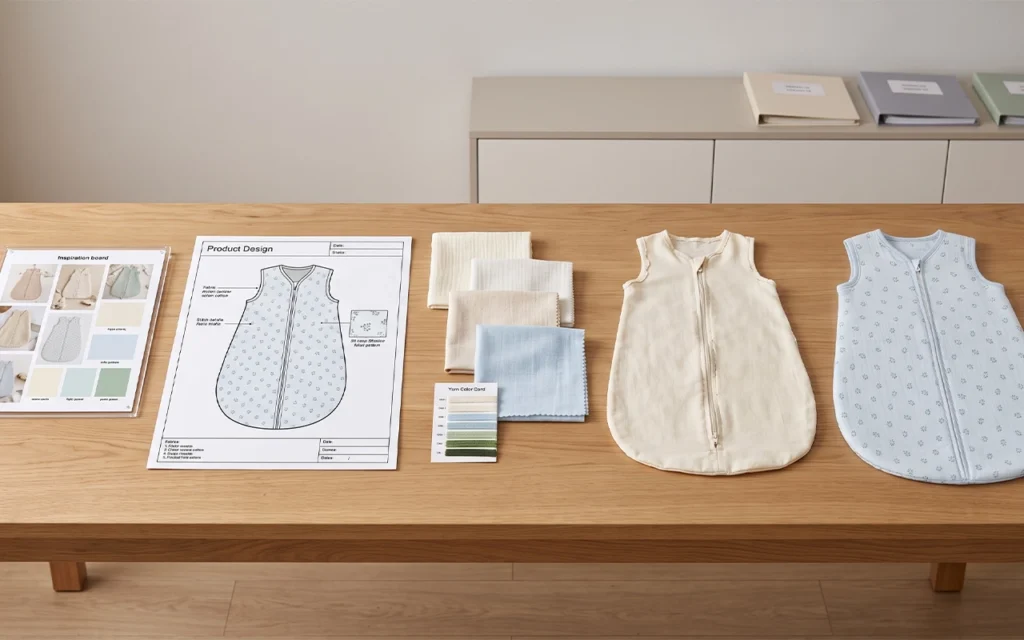
Step 1: Product Concept
Brands provide:
- Product ideas
- Market needs
- Reference images
- Target customers
The manufacturer reviews the requirements and discusses possible solutions.
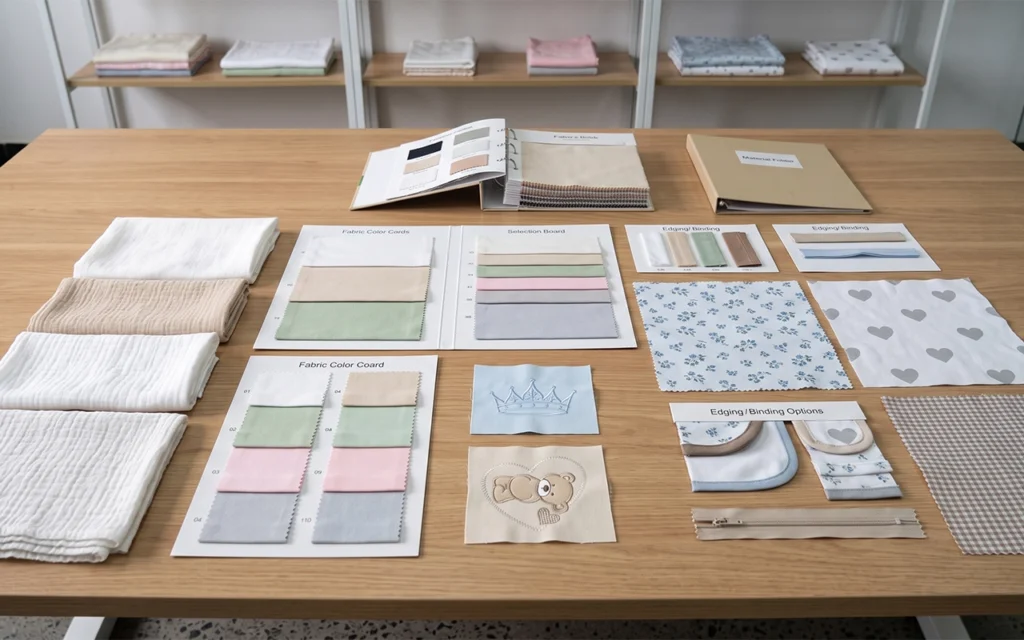
Step 2: Material and Design Selection
The team confirms:
- Fabric options
- Product structure
- Colors
- Sizes
- Functional details
For example, baby mattress development may involve selecting both cover materials and core structures.
Available options may include:
- Jacquard covers
- TC fabric covers
- Ultrasonic quilted covers
- Hard Fiber cores
- Foam cores
- Vertical Fiber cores
- Air Fiber cores
Step 3: Sample Development
The manufacturer creates samples according to the approved requirements.
Brands can review:
- Appearance
- Materials
- Function
- Product details
Then, the manufacturer adjusts the product based on feedback.
Step 4: Mass Production
After final approval, the manufacturer begins production.
A reliable supplier manages:
- Production planning
- Quality inspection
- Packaging
- Delivery preparation
This process helps brands move from an idea to a market-ready product.
What Products Can Brands Develop Through Private Label?
Private label manufacturing allows brands to create different product collections.
A full-service baby product manufacturer can support multiple categories.
Feeding Products
Examples:
- Cotton bibs
- Muslin bibs
- Triangle bibs
- Petal bibs
- Rounded bibs
Brands can customize:
- Shape
- Fabric
- Embroidery
- Colors
Sleeping Products
Examples:
- Baby sleep sacks
Brands can customize:
- Fabric
- Size
- Design details
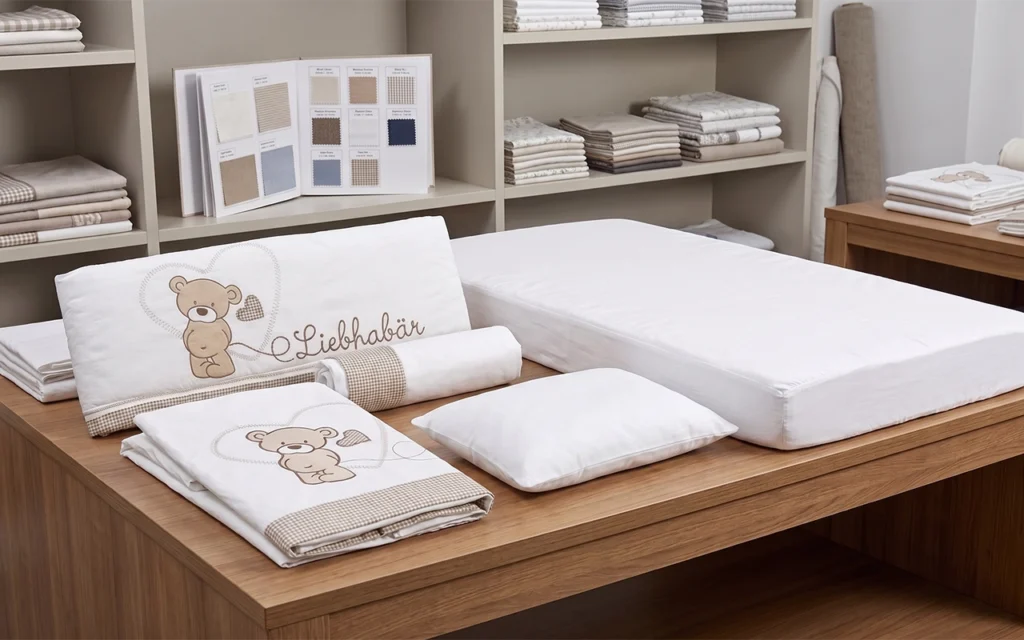
Bedding Products
Examples:
- Baby mattresses
- Crib bedding sets
- Crib bumpers
- Blankets
- Pillows
- Quilts and duvets
- Towels and washcloths
For pillows and quilts, brands may choose ELK and Huvis mixed filling materials with OEKO-TEX® Standard 100 certified raw materials.
Nursery Accessories
Examples:
- Hanging bags
- Hanging chairs
- Swing sets
- Seat reducers
- High chair inlays
This wide product range helps brands create complete baby collections with consistent design styles.
How to Choose the Right Private Label Baby Product Manufacturer?
Choosing a private label partner requires careful evaluation.
Brands should consider several factors.
Manufacturing Experience
A supplier with long-term experience understands baby product requirements.
Customization Ability
The manufacturer should support:
- Design changes
- Material selection
- Product adjustments
- Sample development
Production Capability
A supplier should have:
- Manufacturing facilities
- Production equipment
- Skilled workers
Quality Support
The manufacturer should support:
- Material evaluation
- Product inspection
- Testing preparation
According to customer requirements, manufacturers can provide samples and materials for third-party testing processes, including Intertek and TÜV support.
Furthermore, international experience helps manufacturers understand different market expectations.
Why Work With a Full-Service Private Label Partner?
A full-service manufacturer provides more than production.
They support brands throughout the product journey.
For growing baby brands, this creates several advantages:
- Lower development risks
- Faster product creation
- Better communication
- More consistent quality
A manufacturer with multiple product capabilities can also help brands expand their collections.
For example, a supplier that produces bibs, sleep products, bedding, and nursery accessories can support a brand’s long-term growth.
Therefore, choosing the right partner can create more opportunities for future product development.
Conclusion: Build Your Baby Brand With the Right Manufacturing Partner
Private label manufacturing gives baby brands a practical way to create unique products without building their own factories.
The right manufacturer can support:
- Product customization
- Material selection
- Sample development
- Quality control
- Mass production
For brands targeting European and North American markets, a reliable manufacturing partner can make the product development process smoother.
With more than 40 years of baby product manufacturing experience, Inorange Baby provides OEM and ODM solutions for global baby brands.
From product concepts to finished products, we help brands create customized baby collections with reliable manufacturing support.