Understanding Different Manufacturing Solutions for Baby Textile Brands
Launching a new baby textile product requires more than finding a factory. Brands need a manufacturing partner who understands design, materials, production, and market requirements. Many buyers ask the same question: should they choose OEM or ODM manufacturing?
The answer depends on their product development needs.
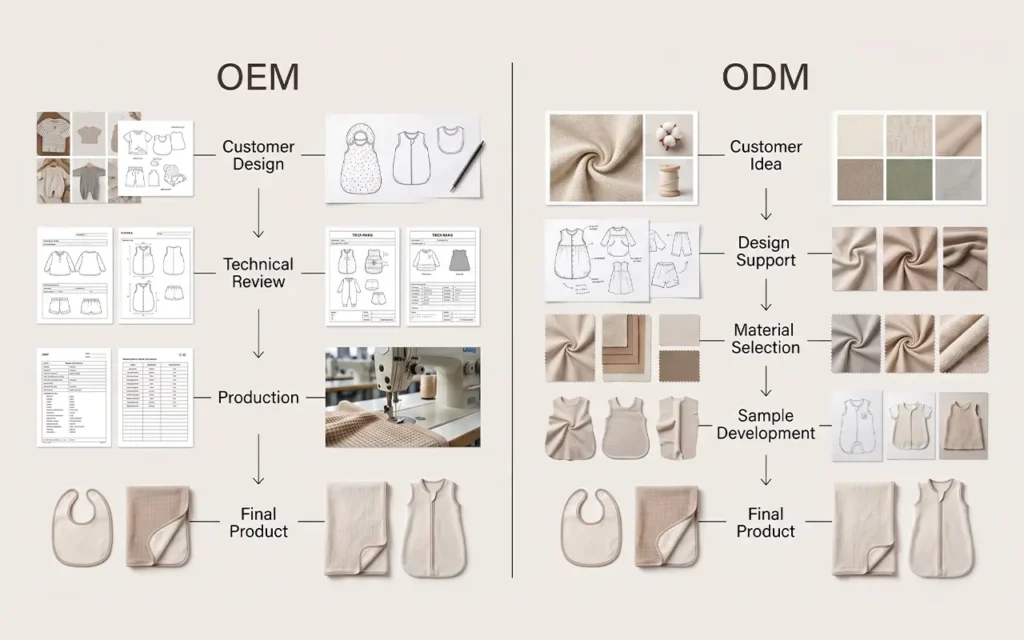
OEM and ODM are two common cooperation models in the baby textile industry. Both solutions help brands create products efficiently. However, they support different stages of product development.
For example, some brands already have complete designs. They only need a reliable factory to produce their products. Other brands have product ideas but need professional support to turn concepts into finished samples.
Therefore, understanding the difference between OEM and ODM helps buyers choose the right manufacturing approach.
At Inorange Baby, we support different brand requirements through flexible production solutions. We help customers move from product ideas to final production with professional development support.
What Is OEM Baby Textile Manufacturing?
OEM stands for Original Equipment Manufacturing. In this model, the buyer usually provides the main product requirements. These requirements may include product design, size specifications, materials, patterns, and packaging details.
The manufacturer focuses on turning these requirements into finished products.
For baby textile products, OEM cooperation often includes:
- Baby bibs
- Baby blankets
- Sleep sacks
- Bedding products
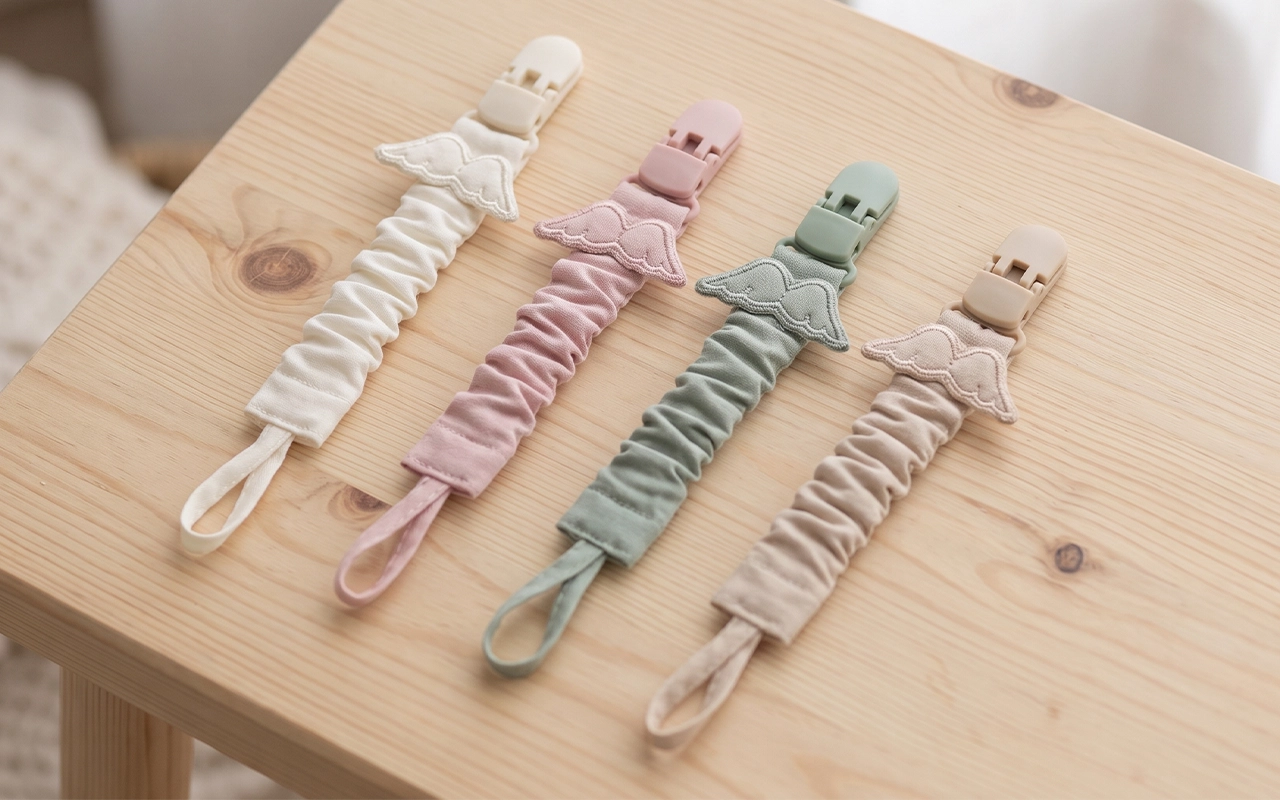
- Baby accessories
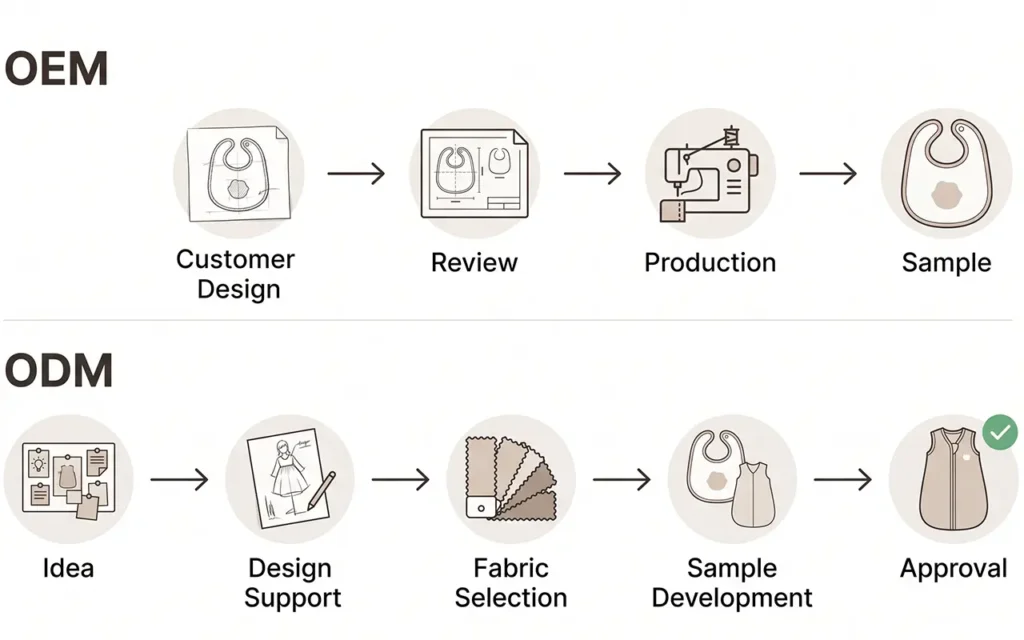
OEM is suitable for brands that already have a clear product direction. They may already have technical drawings, product samples, or detailed specifications.
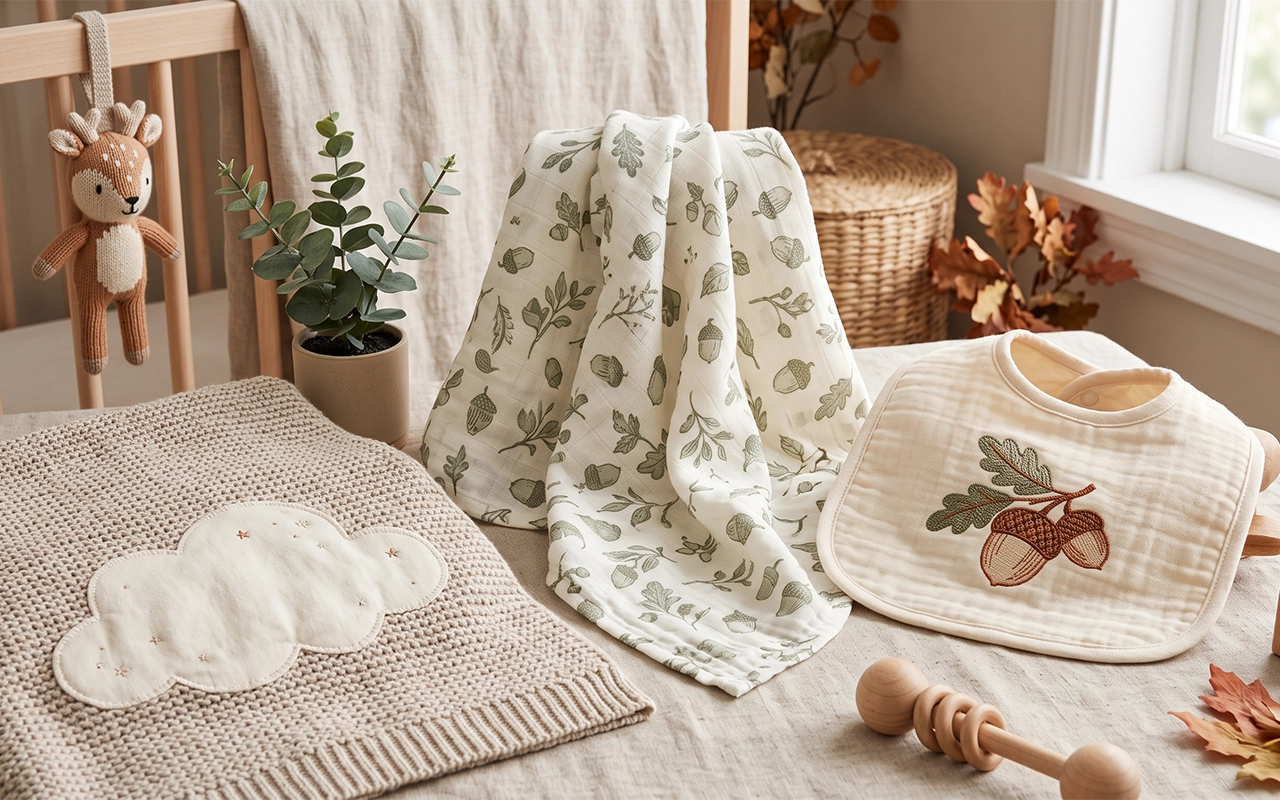
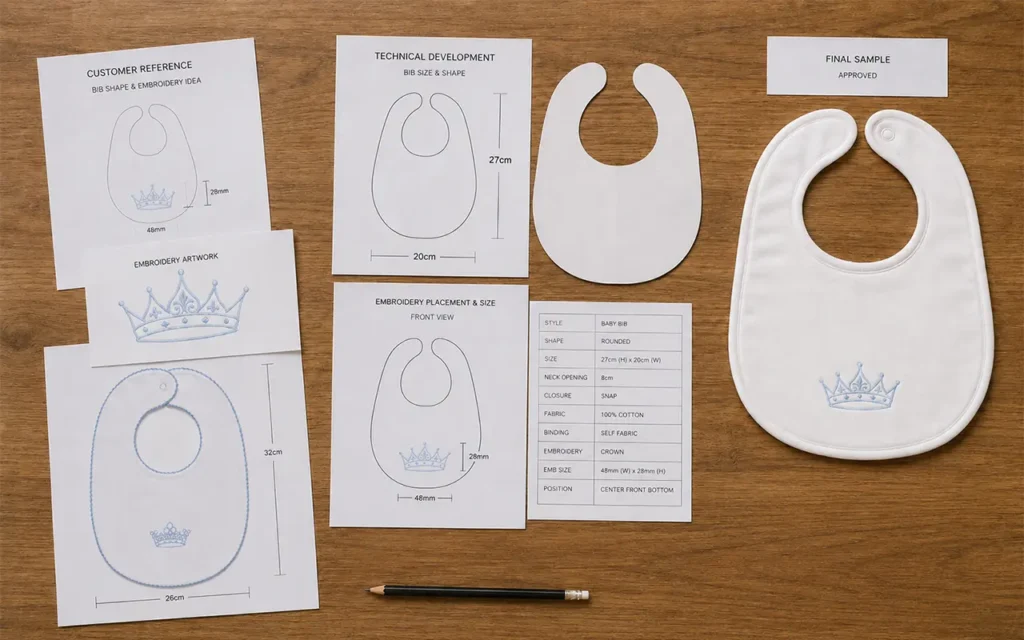
For example, a baby brand may create a unique bib design with a specific embroidery pattern. The brand provides the design information. The manufacturer then develops samples and manages production.
This model gives brands more control over product identity. It also allows them to maintain their own design style in competitive markets.
However, successful OEM production still requires strong communication. Small details such as fabric selection, measurements, sewing methods, and packaging need careful confirmation.
A professional manufacturer does not simply follow instructions. They also provide suggestions when production challenges appear.
What Is ODM Baby Textile Manufacturing?
ODM stands for Original Design Manufacturing. This model provides deeper product development support.
Unlike OEM, ODM allows brands to work with manufacturers during the design stage. The manufacturer can help improve product concepts, recommend materials, and develop practical production solutions.
This option works well for:
- New baby brands
- Online retailers
- Start-up companies
- Brands expanding into new product categories
Many buyers have a product idea but do not have technical experience. They may know the style they want but need support with production details.
For example, a customer may want to create a new baby blanket collection. They may provide inspiration images and market preferences. The manufacturer can then recommend suitable fabrics, sizes, construction methods, and production techniques.
Moreover, ODM cooperation reduces development difficulties. Brands can save time because they receive professional advice during the early stages.
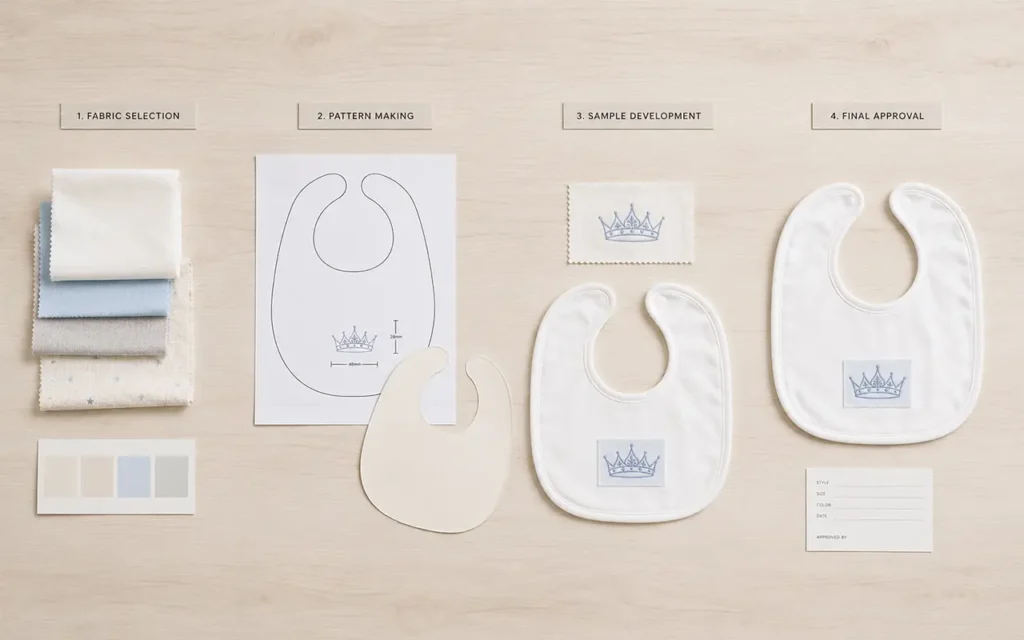
The process usually includes:
- Reviewing customer ideas
- Selecting suitable materials
- Creating technical drawings
- Developing samples
- Testing and improving products
- Confirming final production
As a result, ODM helps brands create products with better production feasibility and market potential.
OEM vs ODM: Which One Should Your Brand Choose?
Choosing between OEM and ODM depends on your current development stage.
If your brand already has:
- Complete product designs
- Specific measurements
- Material requirements
- Existing samples
OEM may be the better choice.
You mainly need a manufacturer who can provide stable production, quality control, and reliable delivery.
On the other hand, ODM may be more suitable if you need:
- Product development support
- Material recommendations
- Design improvement
- Technical solutions
For new brands, ODM can reduce the challenges of developing products from the beginning.
Meanwhile, experienced brands may combine both approaches. They may use OEM for existing products and ODM for new collections.
In addition, a flexible manufacturing partner can adjust support based on different projects.
The most important factor is not only the manufacturing method. It is finding a supplier who understands your goals and provides valuable support throughout the process.
How Inorange Baby Supports Custom Baby Textile Development
At Inorange Baby, we understand that every brand has different requirements.
Some customers come with detailed product designs. Others come with only an initial idea.
Our team supports both situations.
We provide assistance in:
- Fabric selection
- Product structure development
- Size confirmation
- Sample production
- Production improvement
- Quality control
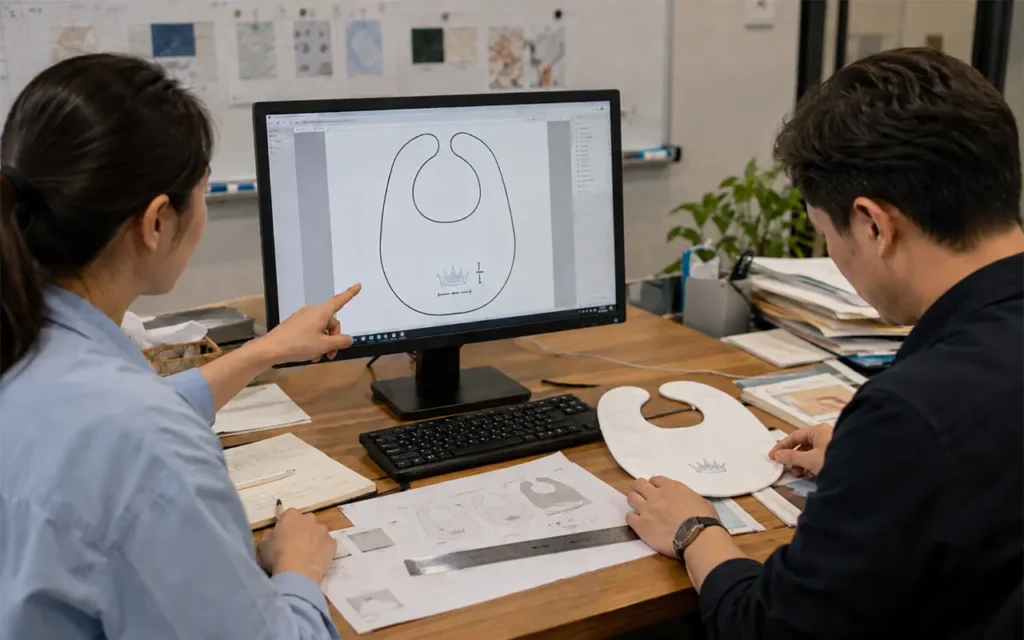
During development, our team reviews product details carefully. We discuss materials, construction methods, and production possibilities before creating samples.
After sample production, we work with customers to evaluate details and make improvements when necessary.
This process helps reduce production risks. It also allows brands to launch products with greater confidence.
Furthermore, our experience with baby textiles helps us understand important product factors. These include comfort, safety, durability, and practical usage.
We believe successful manufacturing is not only about making products. It is about helping brands create better products.
Conclusion: Choosing the Right Partner for Baby Textile Manufacturing
OEM and ODM both provide valuable solutions for baby textile brands.
OEM gives brands strong control over their existing designs. ODM provides additional support for product development and innovation.
The right choice depends on your brand’s needs, resources, and development goals.
However, both models require a reliable manufacturing partner.
A professional supplier helps brands solve problems, improve products, and achieve consistent quality.
From the first idea to the final sample, the right partner can make the entire development process smoother and more efficient.
At Inorange Baby, we support brands through flexible OEM and ODM solutions. We help transform product ideas into high-quality baby textile products ready for the global market.