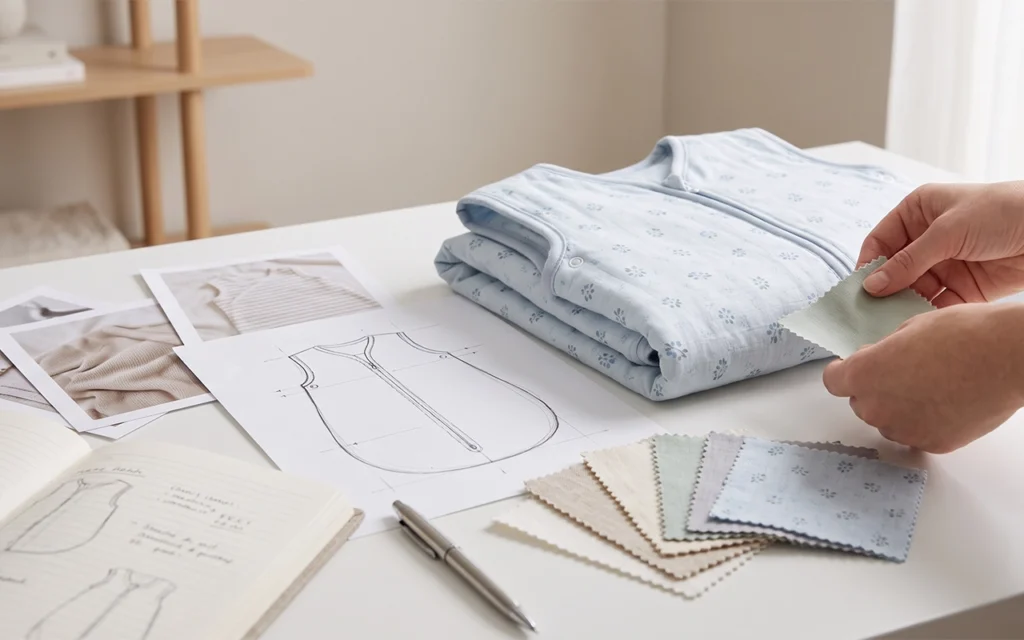
Why Preparation Matters Before Custom Baby Product Development
Developing custom baby textile products requires more than simply placing an order with a manufacturer.
Unlike standard products, custom products need detailed communication between brands and suppliers. Every decision, from product design to material selection, can influence the final result.
Before starting a development project, brands should clearly define their product direction and prepare the necessary information.
Important preparation includes:
- Product concept
- Design references
- Product specifications
- Material preferences
- Quantity plans
- Quality expectations
Good preparation helps brands:
- Reduce communication time
- Improve development efficiency
- Avoid unnecessary changes
- Create products that better match market needs
For international baby brands, working with an experienced manufacturer is especially important. A professional supplier can better understand customer requirements and provide suitable solutions during the development process.
Therefore, brands that prepare clearly before contacting manufacturers can build smoother and more effective cooperation.
Define Your Product Concept and Market Position
The first step in custom product development is defining the product concept.
Before contacting a manufacturer, brands should understand what they want to create and who they want to serve.
Important questions include:
- Who are the target customers?
- What type of product does the market need?
- What makes the product different?
Brands should consider their target users, such as:
- Newborn babies
- Infants
- Toddlers
They should also define their market position.
For example:
A brand may focus on:
- Premium baby products
- Everyday baby essentials
- Functional nursery products
- Sustainable product concepts
Furthermore, brands should decide which product category they want to develop.
Custom baby textile products may include:
- Baby bibs
- Sleep sacks
- Bedding products
- Blankets
- Baby towels
- Nursery accessories
A clear product concept allows manufacturers to better understand the project and provide more accurate suggestions.

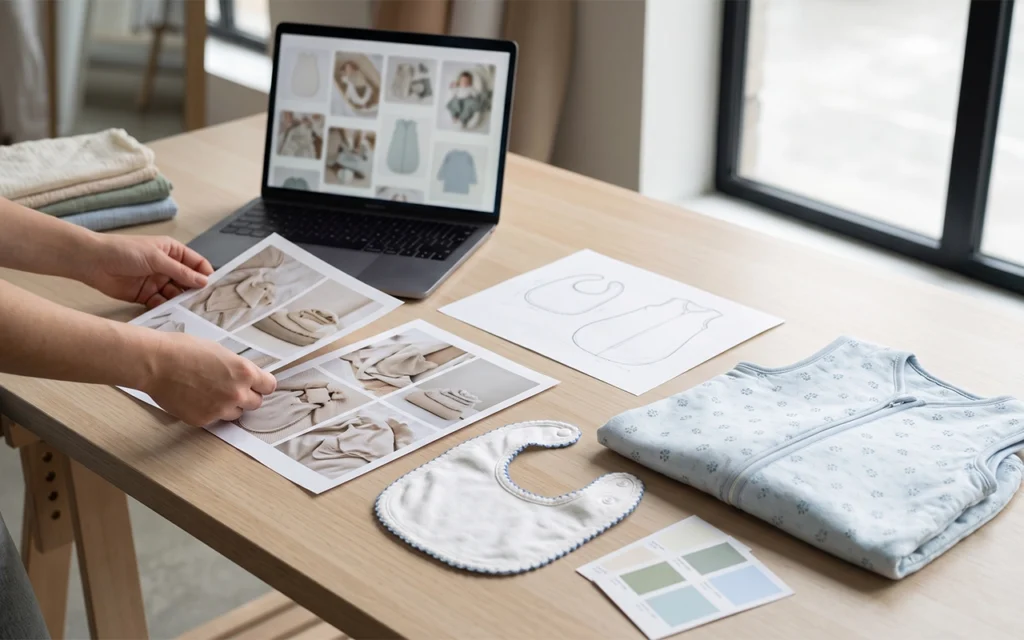
Prepare Product References and Design Ideas
Many brands start with only an idea.
This is common during the early development stage. However, providing clear references can make communication much easier.
Brands can prepare:
- Product reference images
- Product links
- Design sketches
- Competitor examples
- Market inspiration
For example, when developing baby bibs, brands can provide:
- Preferred bib shapes
- Color direction
- Pattern ideas
- Fabric preferences
When developing bedding products, brands can provide:
- Room style references
- Product appearance ideas
- Color combinations
- Target customer preferences
Clear references help manufacturers understand the expected product direction.
They also reduce misunderstandings during sample development.
The more specific the information is, the easier it becomes to transform an idea into a real product.
Confirm Product Specifications
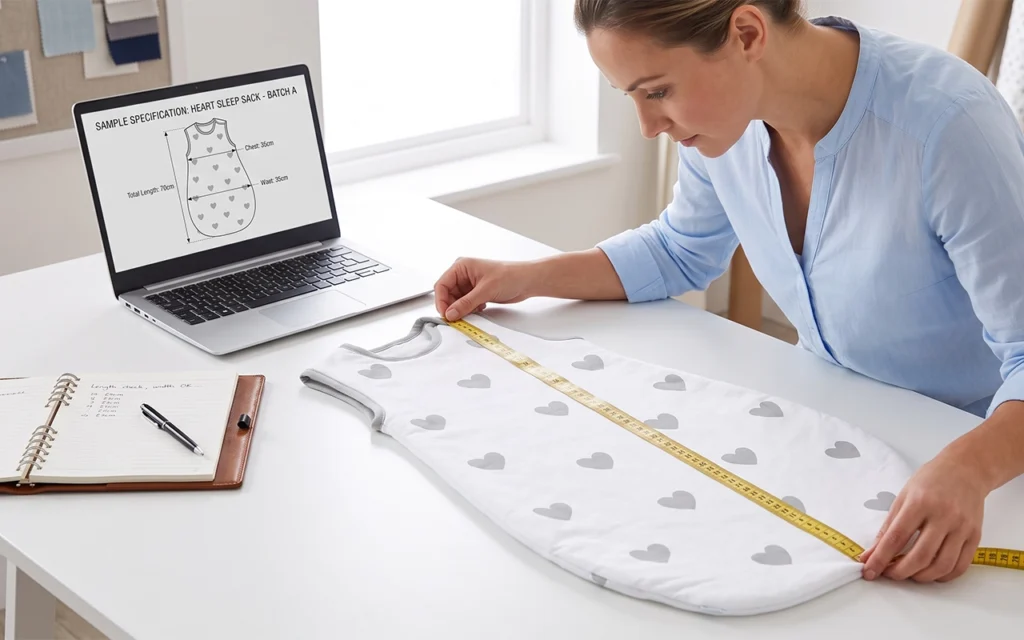
Product specifications are an important part of custom development.
Before production begins, brands should consider the technical details of the product.
Important specifications include:
- Product size
- Age range
- Material requirements
- Functional needs
- Design details
Different products require different information.
For example:
Baby Mattresses
Brands may need to confirm:
- Mattress size
- Thickness
- Cover material
- Core structure
Sleep Sacks
Brands may need to confirm:
- Fabric type
- Product size
- Design details
- Usage season
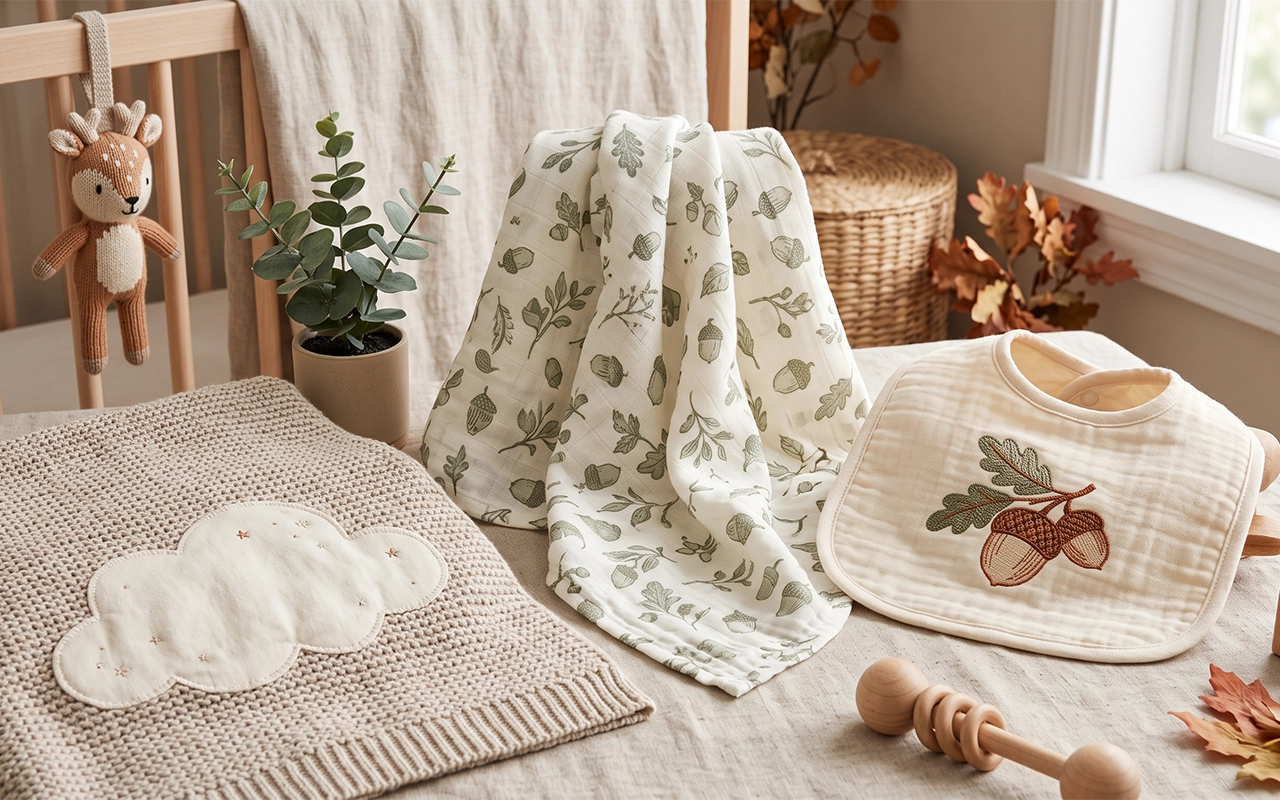
Baby Bibs
Brands may need to confirm:
- Shape
- Size
- Fabric choice
- Embroidery or pattern details
Clear specifications help manufacturers create accurate samples and reduce adjustment time.
Understand Your Material Requirements
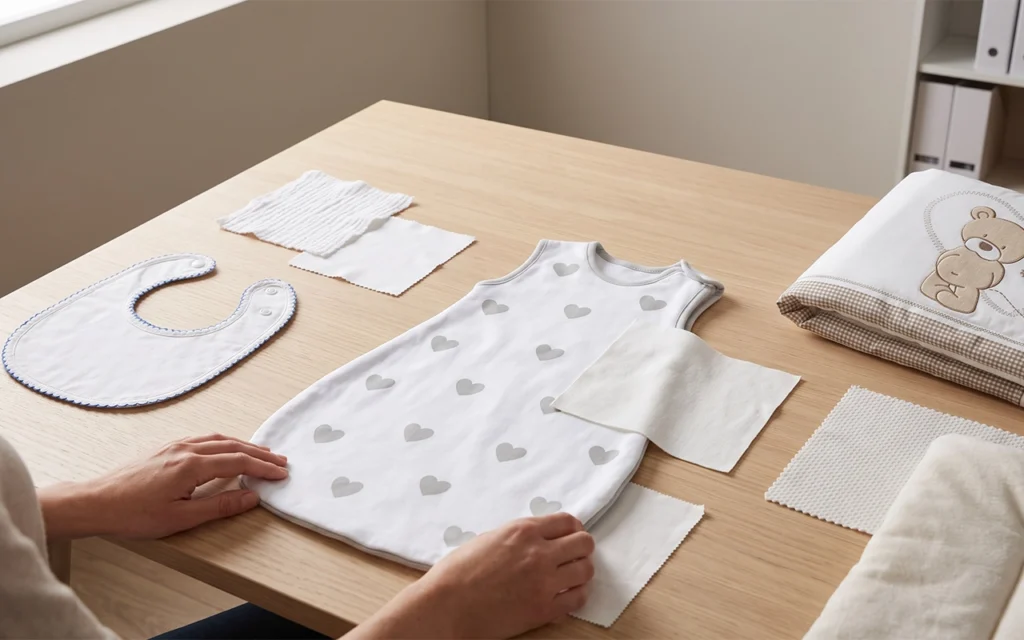
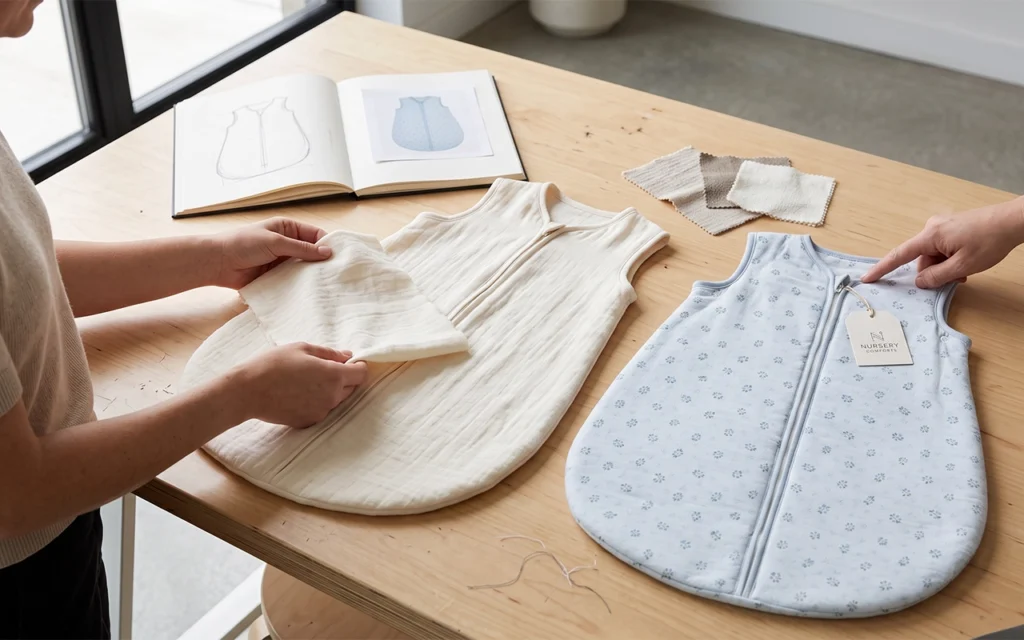
Material selection has a direct impact on product performance.
Before development begins, brands should consider:
- Preferred fabrics
- Product functions
- Target market expectations
Different baby products require different fabric solutions.
For example:
Baby Bibs
Common options include:
- Cotton fabric
- Muslin fabric
Important features:
- Softness
- Comfort
- Absorbency
Sleep Sacks
Cotton fabric is commonly selected because it provides:
- Soft touch
- Breathability
- Comfortable wearing experience
Baby Bedding
Different products may require different materials.
Examples include:
- Muslin fabric for lightweight bedding products
- Cotton fabric for comfortable daily use
Baby Mattresses
Brands may need to consider both:
- Cover materials
- Internal structures
If brands are unsure about material selection, they can discuss options with manufacturers.
An experienced supplier can provide suggestions based on:
- Product purpose
- Target market
- Product positioning
Prepare Quantity and Production Planning Information
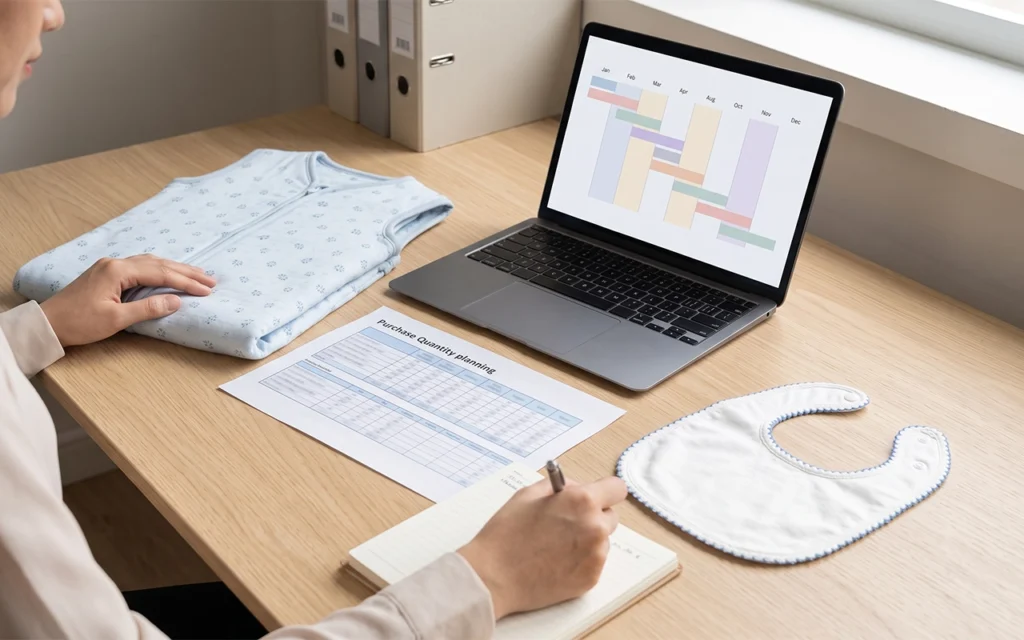
Quantity planning is another important factor before product development.
Brands should consider:
- Initial order quantity
- Expected production volume
- Future growth plans
For new brands, starting with smaller quantities can help test the market and reduce inventory pressure.
For established brands, production planning may focus more on:
- Long-term supply
- Product expansion
- Seasonal product planning
Providing quantity information early helps manufacturers prepare better solutions.
It allows suppliers to consider:
- Material purchasing
- Production schedules
- Cost planning
Clear production planning creates a smoother cooperation process.
Consider Quality and Certification Requirements
Quality expectations should be discussed before development begins.
Different markets may have different requirements for baby textile products.
Brands should consider:
- Quality standards
- Testing requirements
- Certification needs
Depending on the target market, brands may need:
- Material information
- Product testing
- Compliance documents
Discussing these requirements early can prevent problems later in the production process.
A professional manufacturer should understand customer expectations and provide suitable support during development.

Prepare Packaging and Branding Requirements
Custom products are not only about the product itself.
Brand presentation is also an important part of private label development.
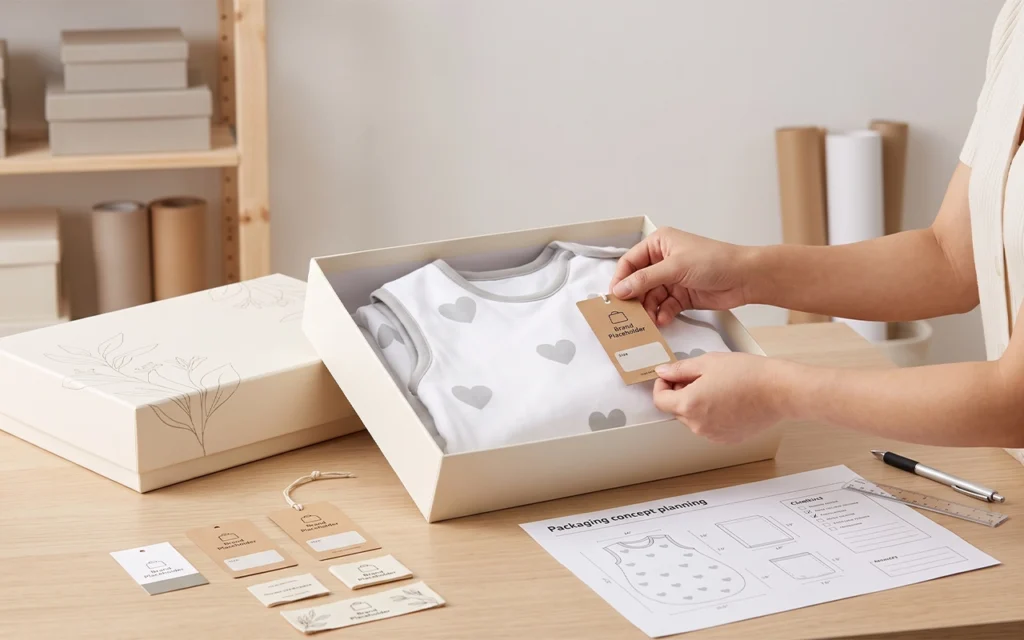
Brands should consider:
- Labels
- Packaging design
- Product information
- Brand elements
For example, private label products may require:
- Custom brand labels
- Special packaging
- Product instructions
Preparing these details early helps manufacturers organize production more efficiently.
It also allows the final product to better match the brand identity.
How Manufacturers Support the Development Process
Even with good preparation, brands still need professional manufacturing support.
A reliable manufacturer can help brands throughout the development process.
Support may include:
- Reviewing product ideas
- Suggesting suitable materials
- Developing samples
- Adjusting product details
- Managing production
A typical custom development process includes:
Brand Idea
↓
Product Discussion
↓
Material Selection
↓
Sample Development
↓
Product Adjustment
↓
Mass Production
Through close cooperation, brands and manufacturers can create products that better match market needs.
A strong partnership helps improve communication, reduce risks, and achieve better results.
Conclusion: Better Preparation Creates Better Products
Custom baby textile product development requires careful planning and communication.
Before contacting a manufacturer, brands should prepare:
- Product concepts
- Design references
- Product specifications
- Material preferences
- Quantity plans
- Quality requirements
Good preparation helps manufacturers understand brand goals and provide more effective solutions.
An experienced manufacturing partner does more than produce products. They support brands throughout the development journey.
With more than 40 years of experience in baby textile manufacturing, Inorange Baby provides OEM and ODM development support for global brands.
From product ideas and material selection to sample creation and production, we help brands develop customized baby textile products for international markets.