Why Autumn Works Well for Patio Baby Products
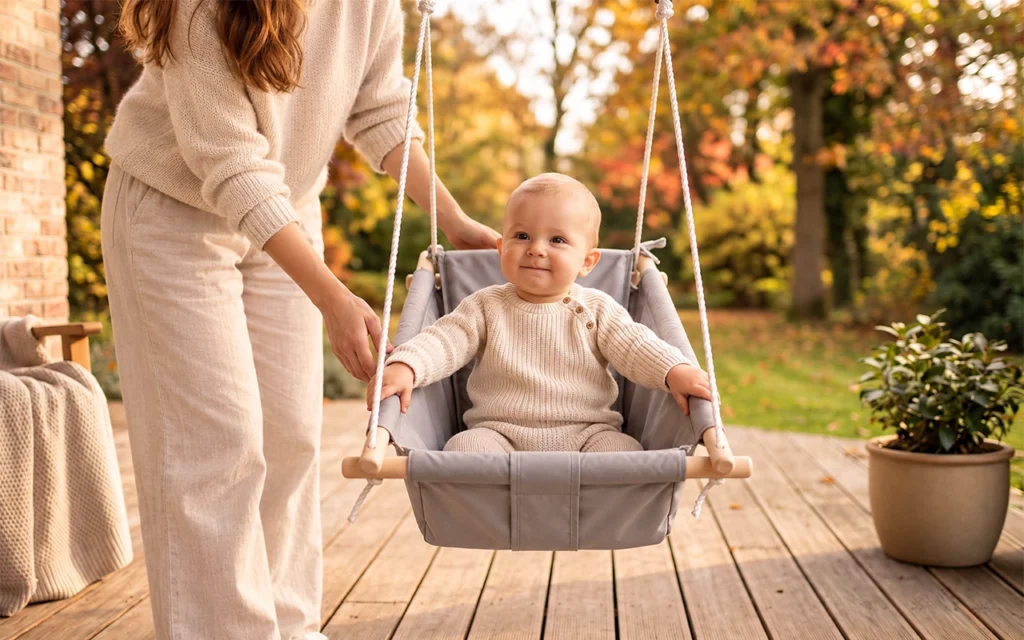
Autumn creates more opportunities for families to spend time in patios, gardens, covered terraces, and other relaxed outdoor spaces. The weather is often milder than in summer, so parents may look for products that fit everyday family leisure and supervised play.
For baby brands, this seasonal shift creates a useful product direction. Autumn collections do not need to focus only on sleep sacks, blankets, or bedding. Baby swings and hanging chairs can also become part of a broader seasonal range.
However, seasonal styling should not replace practical product development. Buyers still need to consider seat structure, materials, restraint systems, installation details, and cleaning requirements.
Therefore, a strong autumn collection should combine product function, visual design, comfort, and brand identity rather than simply changing colors.
What Buyers Should Consider When Developing Baby Swings
Baby swings have more structural requirements than standard textile products. As a result, brands need to look beyond fabrics and appearance.
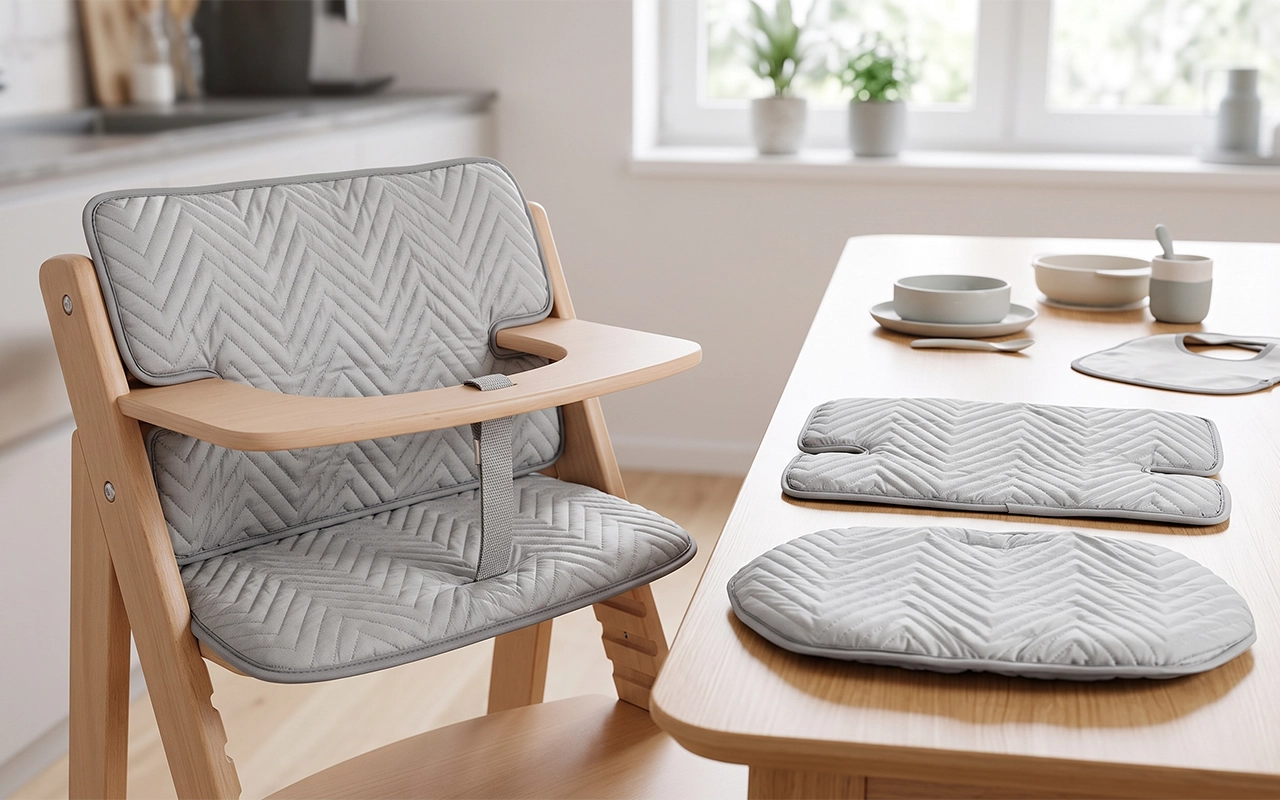
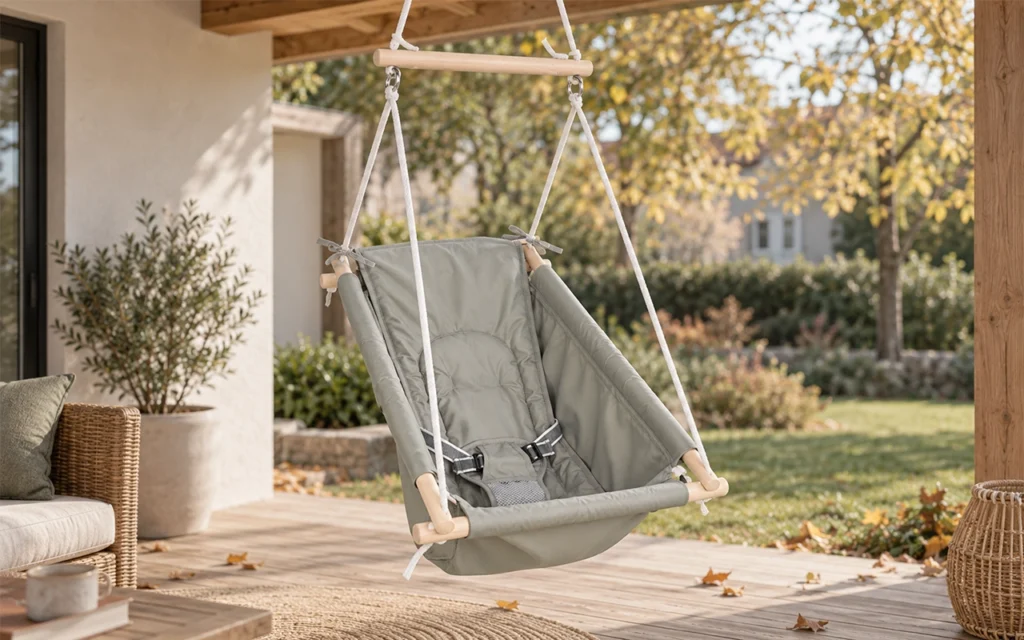
First, the seat structure matters. Different projects may require different seat depths, backrest shapes, cushion designs, or support details. In addition, brands should review the restraint system and make sure age guidance, weight limits, and usage instructions match the actual product.
Other important development points may include:
- Seat structure
- Fabric and cushion materials
- Harness or restraint design
- Suspension components
- Adjustment details
- Cleaning requirements
- Labels and instructions
For an autumn collection, brands may choose softer seasonal tones such as sage green, warm beige, muted brown, soft gray, or other low-saturation colors.
Still, these are only design directions. Buyers can develop different colors according to their own brand identity.
Hanging Chairs Can Create a Different Product Position
Hanging chairs and baby swings may both belong to suspended product categories, but they can have different visual and product positioning.
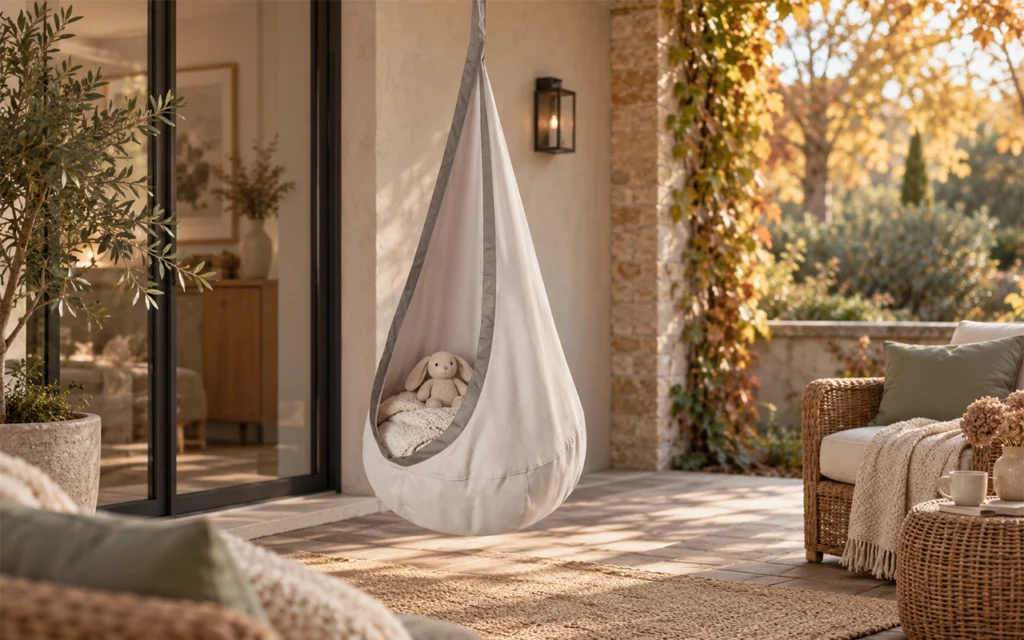
Baby swings usually emphasize the seat structure. Hanging chairs, meanwhile, can focus more on soft textiles, cocoon-like shapes, and a relaxed home-lifestyle appearance.
This makes hanging chairs suitable for covered patios, terraces, indoor-outdoor spaces, or nursery-inspired lifestyle settings.
Brands can customize more than just the color. Depending on the project, development may include:
- Chair shape
- Fabric selection
- Cushion design
- Decorative details
- Suspension style
- Prints or embroidery
- Brand labels
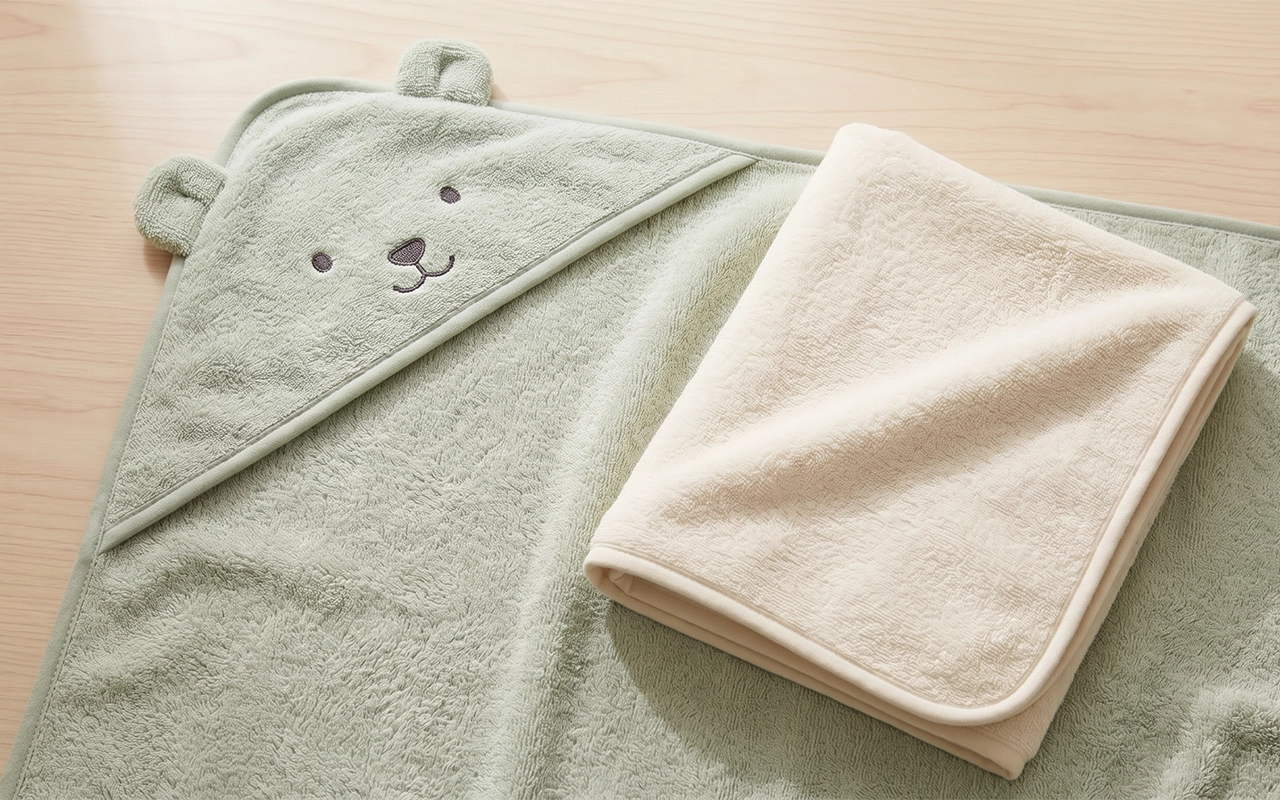
For example, one brand may prefer a minimal solid-color design with a small label. Another may choose embroidery, animal elements, or other custom decorative details.
As a result, similar product categories can still look clearly different from one brand to another.
Autumn Collections Do Not Need to Use Only Brown and Orange
Seasonal product development often becomes too predictable.
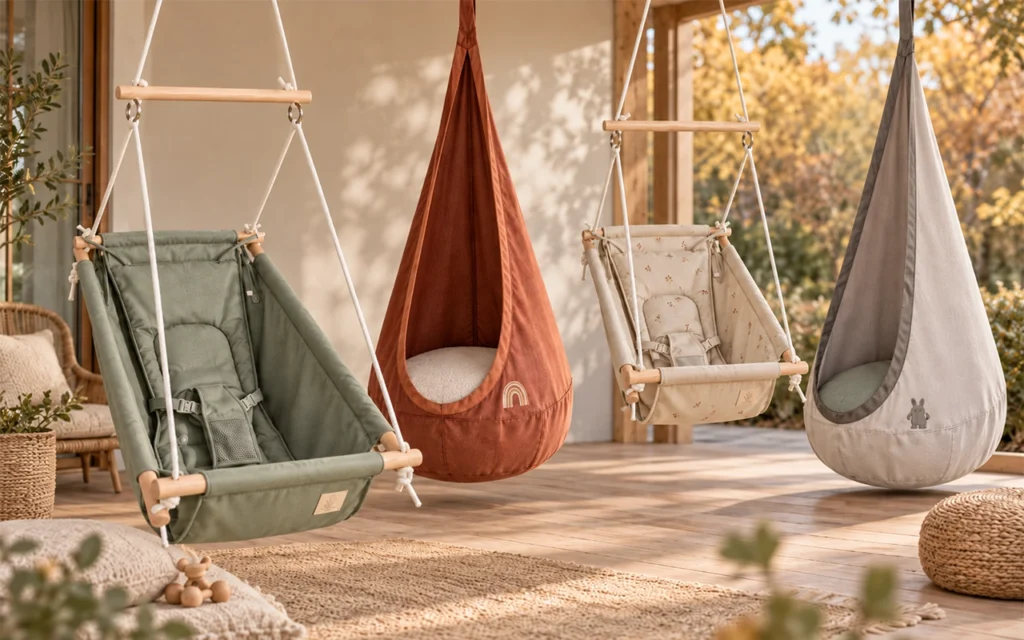
Autumn does not always need to mean dark orange, brown, pumpkins, or leaf prints. Instead, brands can build a softer seasonal identity through color, texture, and coordinated styling.
Suitable directions may include:
• Sage green
• Warm beige
• Oatmeal
• Soft gray
• Muted red
• Terracotta
• Custom brand colors
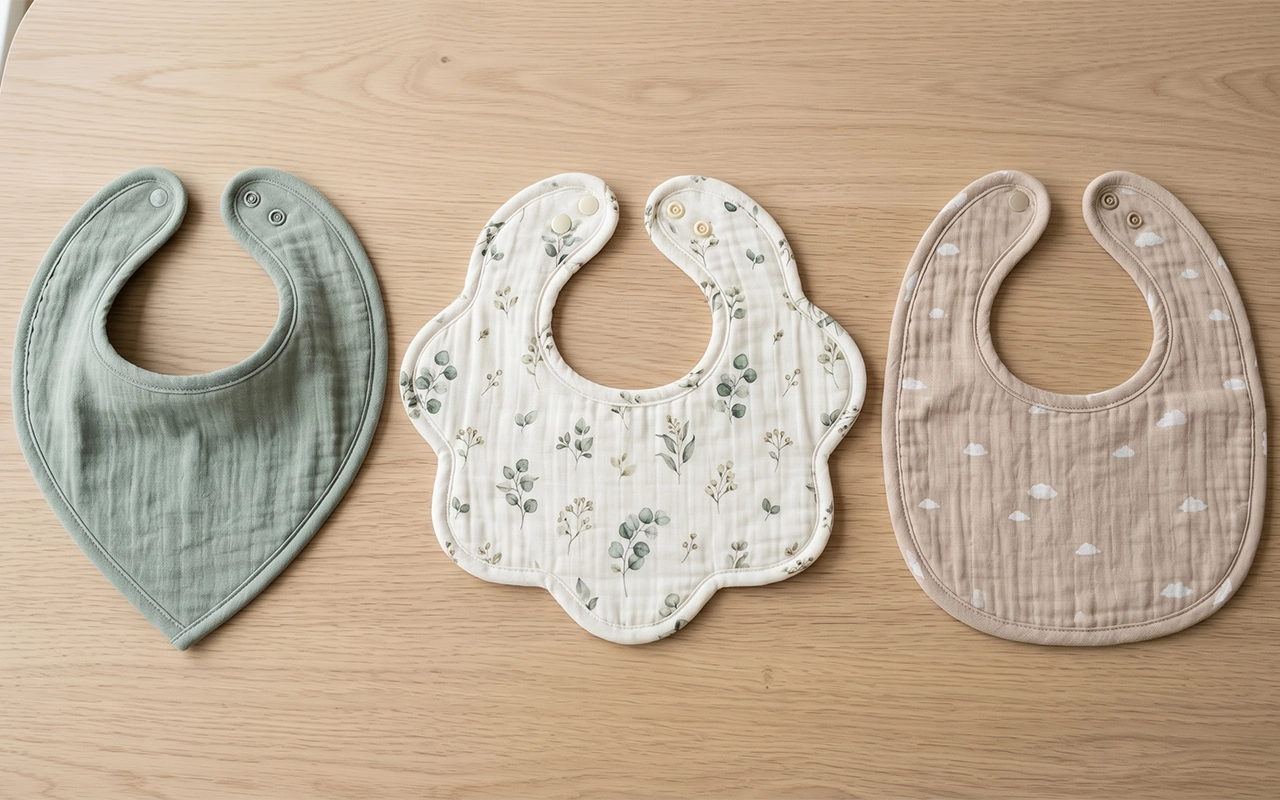
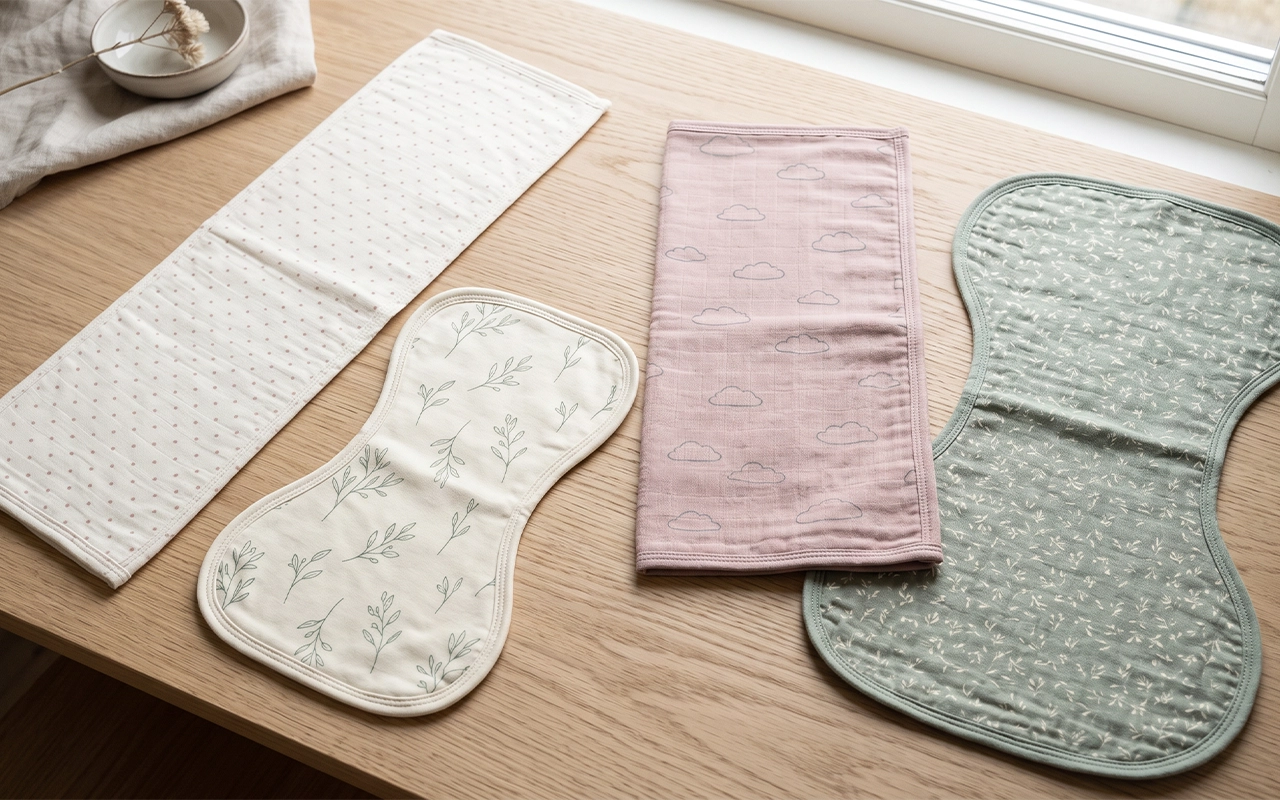
Patterns are also flexible. Brands can develop small animal motifs, botanical elements, simple geometric designs, embroidery, or original artwork.
Moreover, products do not need to use obvious autumn graphics. A balanced color palette and coordinated textile details can already create a seasonal feeling.
This approach also gives the collection a longer visual life beyond one short seasonal campaign.
Develop a Custom Swing and Hanging Chair Collection with OEM/ODM Support
Customization for swings and hanging chairs should involve more than changing colors or adding a logo.
Depending on the project, brands can discuss fabrics, cushions, structures, decorative elements, labels, packaging, and other product details.
For example, one collection can use similar colors and design language across both swings and hanging chairs. At the same time, each product can keep its own structure and function.
This helps create a coordinated range without making every item look identical.
During product development, buyers should also confirm the requirements of their target market. Age range, weight limits, installation methods, suspension systems, restraint designs, and relevant testing requirements should match the actual product and sales region.
Inorange Baby supports OEM and ODM development for different baby product projects. Existing samples can be used as references, while colors, fabrics, decorative designs, and other details can be adjusted according to brand needs.
Conclusion
Autumn creates attractive patio, garden, and family leisure settings for baby swings and hanging chairs.
However, a successful seasonal product should offer more than autumn colors. Brands should consider structure, fabrics, cushions, restraint details, and overall product positioning.
At the same time, colors, prints, embroidery, labels, packaging, and decorative elements can all support a stronger brand identity.
With flexible OEM and ODM development, one swing or hanging chair concept can become part of a wider and more coordinated seasonal baby collection.