Why Baby Product Safety Should Be a Priority
Safety is one of the most important considerations when developing baby products.
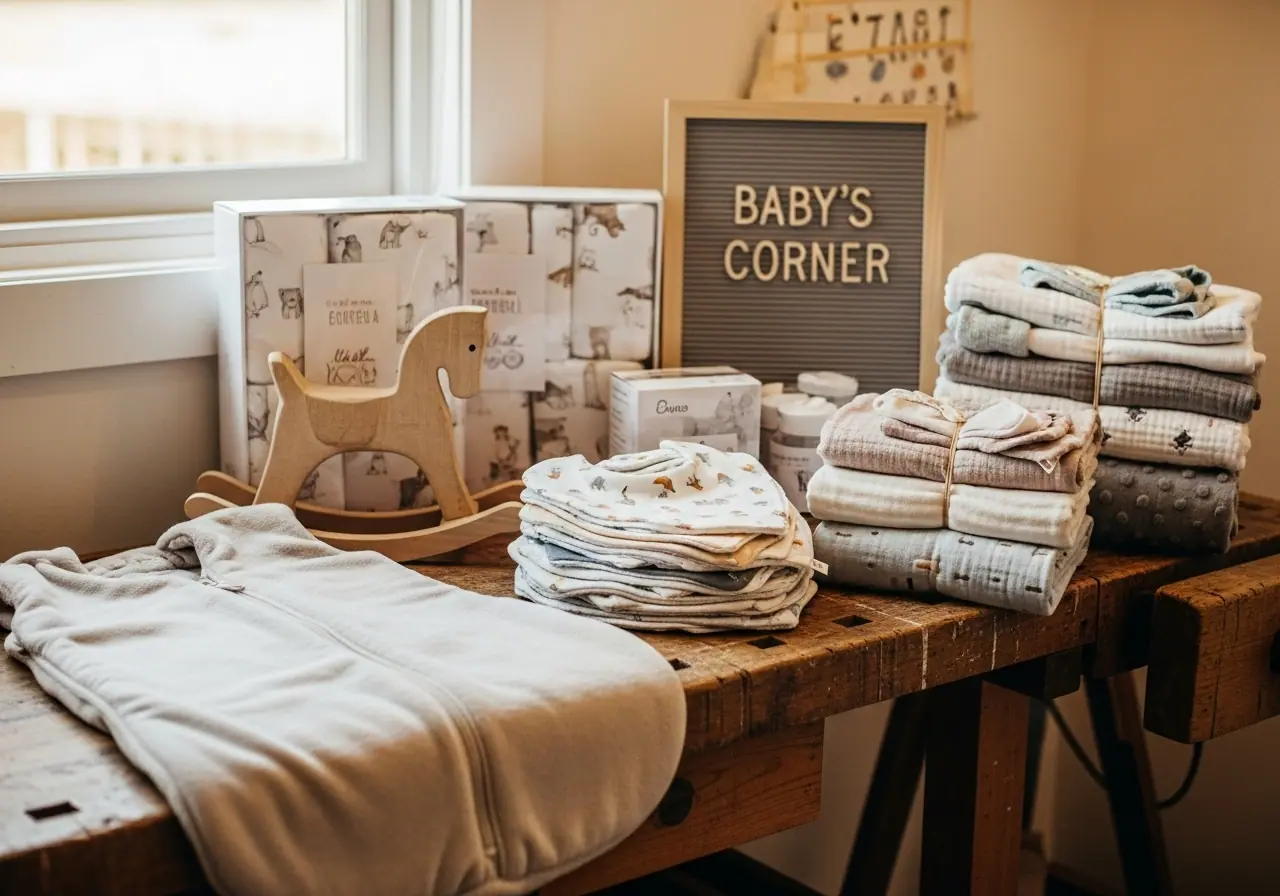
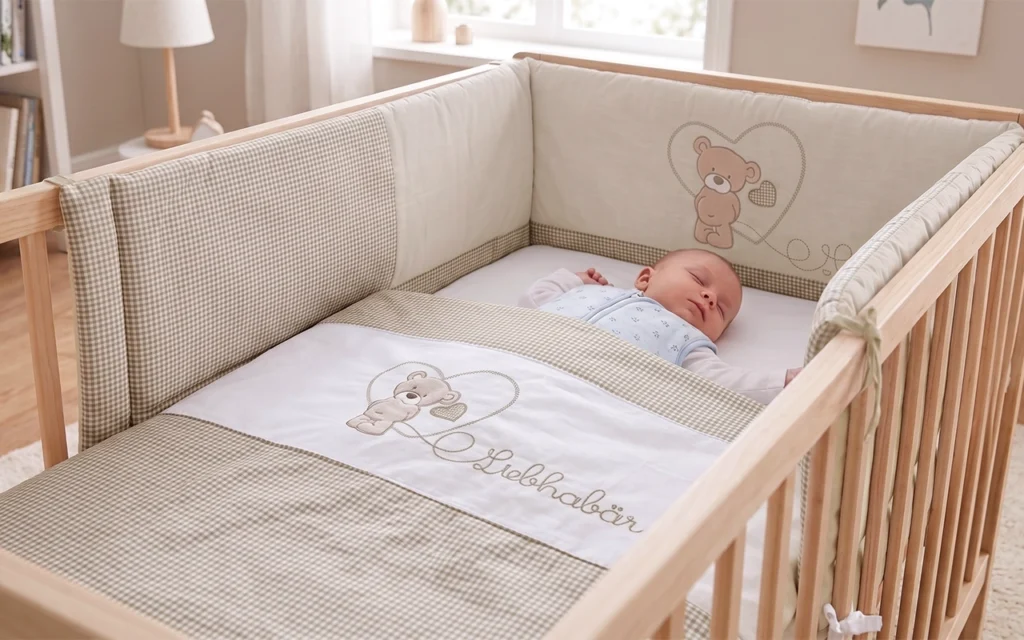
Unlike many other consumer products, baby products are used by infants with more sensitive skin and specific needs. Products such as bibs, sleep sacks, bedding, and nursery accessories require careful attention to materials, construction, and overall quality.
For international brands, product safety is not only about meeting customer expectations. It also affects brand reputation, market acceptance, and long-term business development.
Many buyers focus on product design, price, and market trends during the early development stage. However, safety should always remain a key consideration.
A reliable baby product manufacturer should understand safety requirements from the beginning. This includes selecting suitable materials, controlling production quality, and supporting necessary testing procedures.
Furthermore, different markets may have different expectations. Brands selling in Europe and North America often need suppliers who understand international requirements and can provide proper support throughout product development.
Therefore, choosing an experienced manufacturing partner is an important step for brands that want to build safe and reliable baby products.
Understand Material Safety Before Product Development
Material selection is the foundation of baby product safety.
The materials used in baby products directly affect comfort, durability, and user experience. Therefore, brands should carefully evaluate materials before starting production.
Important factors include:
- Skin friendliness
- Chemical safety
- Softness
- Breathability
- Durability
For textile products, brands should understand the characteristics of different materials.
For example, baby bibs require fabrics that feel comfortable against the skin and perform well during daily use.
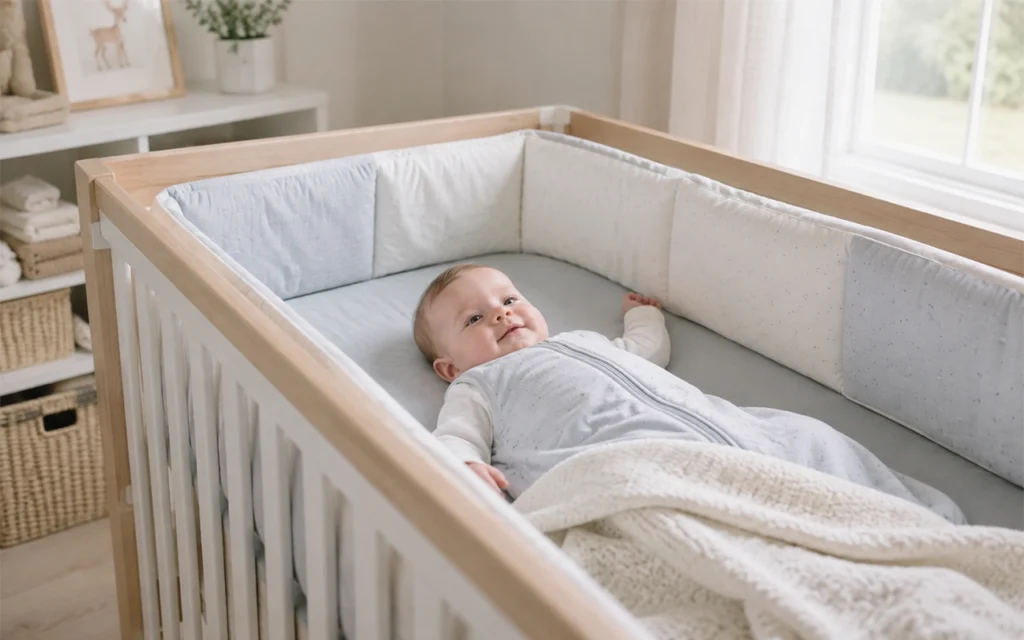
Baby bedding products also require careful material choices because babies spend many hours sleeping.
Materials used in:
- Mattresses
- Pillows
- Quilts
- Blankets
should provide suitable comfort and performance.
Moreover, brands should work with manufacturers who can explain material options clearly. A professional supplier should help customers understand why certain materials fit specific product requirements.
Choose Materials Based on Product Function
Different baby products have different purposes.
Therefore, brands should not select materials only based on appearance.
The right material depends on how the product will be used.
Baby Feeding Products
Products such as bibs need to balance comfort and practicality.
Important considerations include:
- Soft touch
- Absorbency
- Easy cleaning
- Comfortable fit
For example, cotton and muslin fabrics are common choices for baby bibs because they provide a comfortable experience for everyday use.
Different designs may also require different solutions.
Triangle bibs, petal bibs, and rounded bibs may have different design requirements depending on the target market.
Baby Sleeping Products
Sleep-related products focus on comfort and daily use.
Brands should consider:
- Fabric softness
- Breathability
- Product structure
- Overall comfort
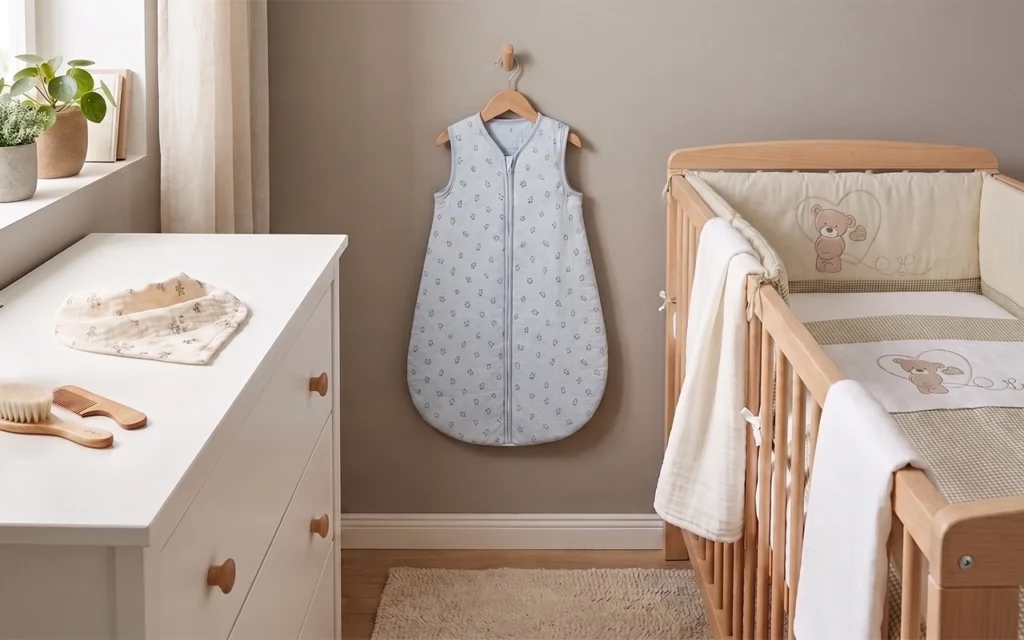
Products such as sleep sacks and bedding need careful development because they are closely connected with babies’ sleep environments.
Baby Bedding Products
Bedding products often involve more complex structures.
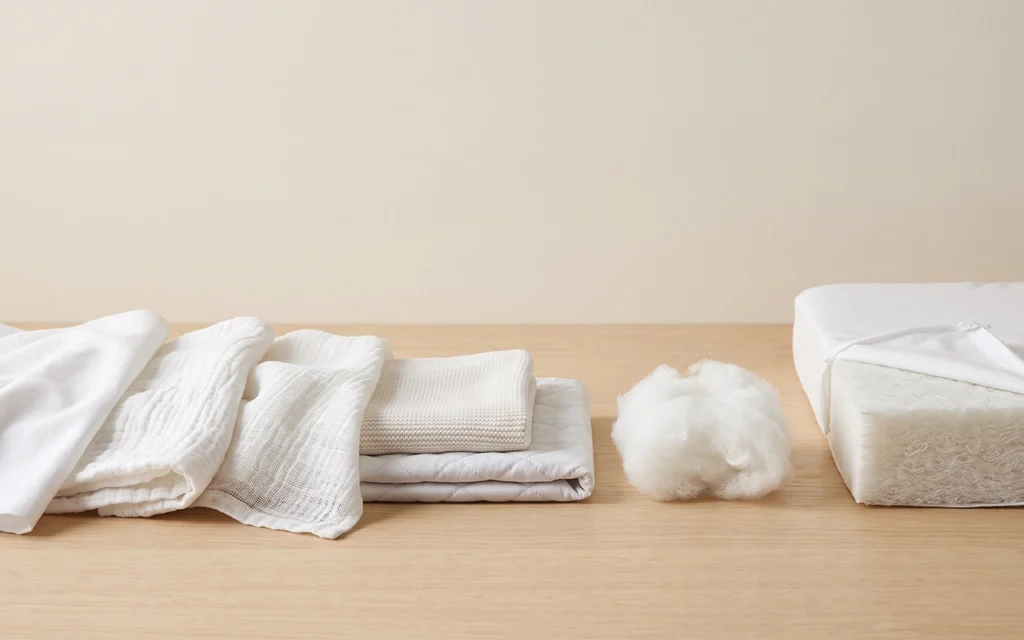
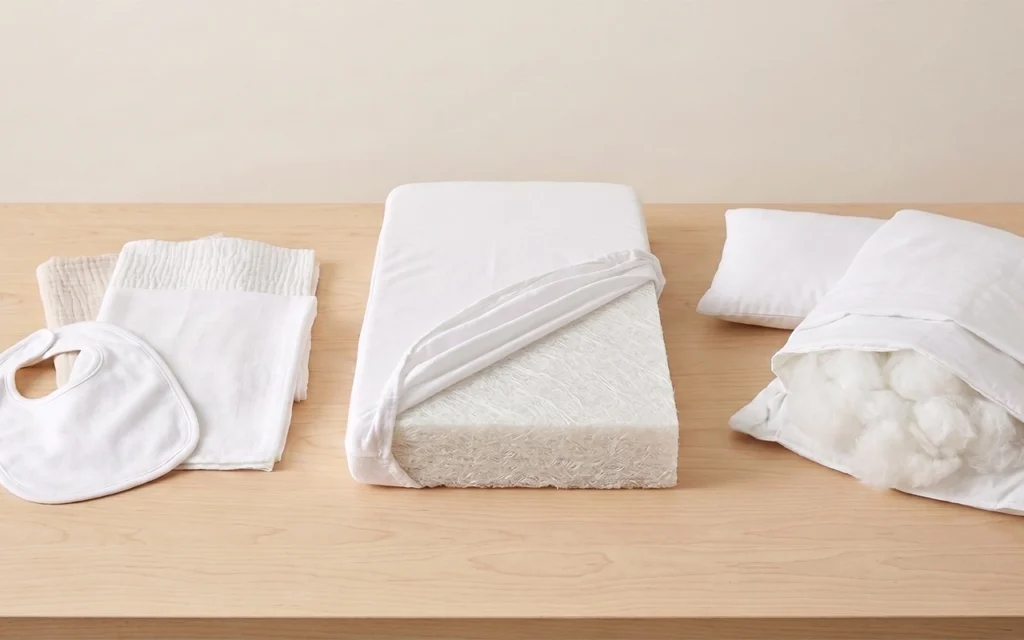
For example, baby mattresses require attention to:
- Cover materials
- Internal structure
- Support performance
- Ventilation
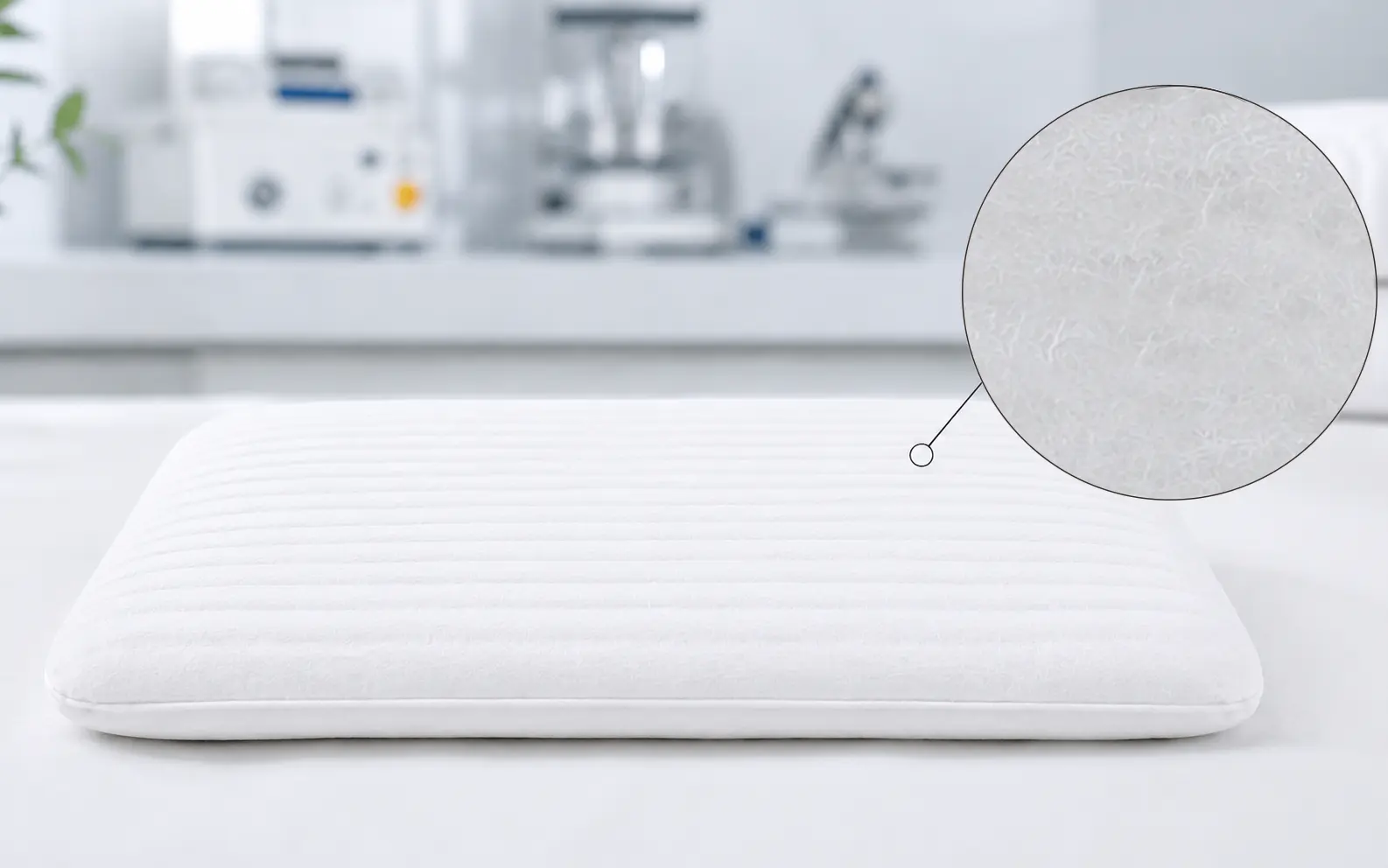
Pillows and quilts also require suitable filling materials and proper construction.
Therefore, brands should understand both external materials and internal components when developing bedding products.
Understand the Importance of Product Testing
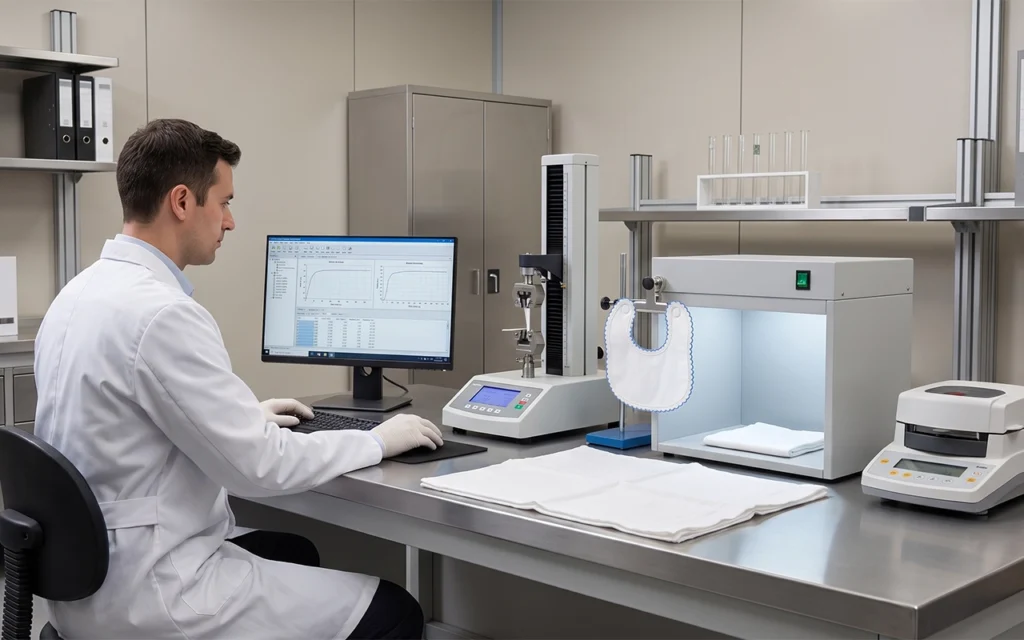
Testing plays an important role in international baby product development.
Before launching products, brands need confidence that products meet their quality expectations and market requirements.
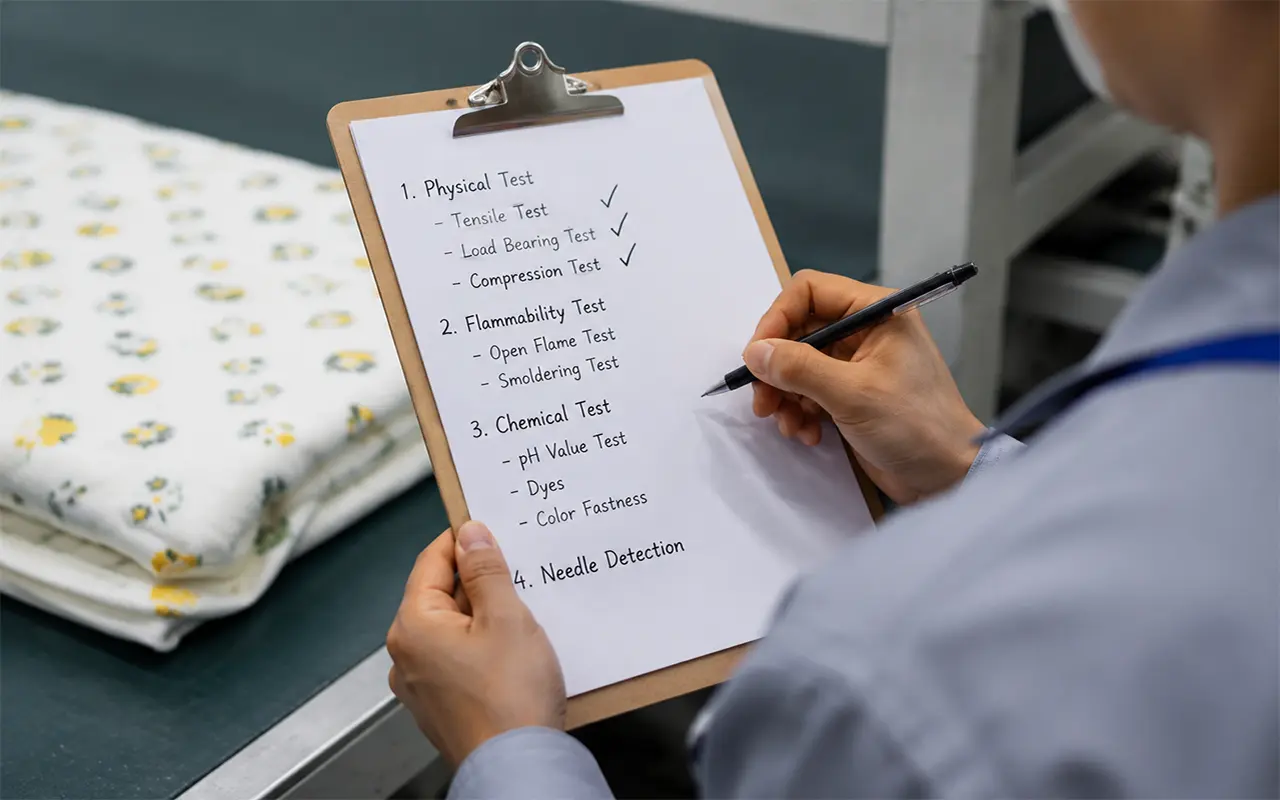
Testing may involve:
- Material evaluation
- Chemical testing
- Performance testing
- Product safety checks
The testing requirements may vary depending on:
- Target country
- Product category
- Market regulations
Therefore, brands should discuss testing requirements with manufacturers early in the development process.
A professional supplier should be able to provide:
- Material information
- Product samples
- Testing preparation support
Starting the testing process early can help brands identify potential issues before mass production.
As a result, companies can reduce unnecessary delays and improve product development efficiency.
Pay Attention to Manufacturing Quality Control
Safe materials alone are not enough.
Manufacturing quality also plays an important role in product safety.
During production, manufacturers should control important details such as:
- Product dimensions
- Sewing quality
- Product structure
- Finishing details
For textile products, small production differences can affect the final user experience.
For example:
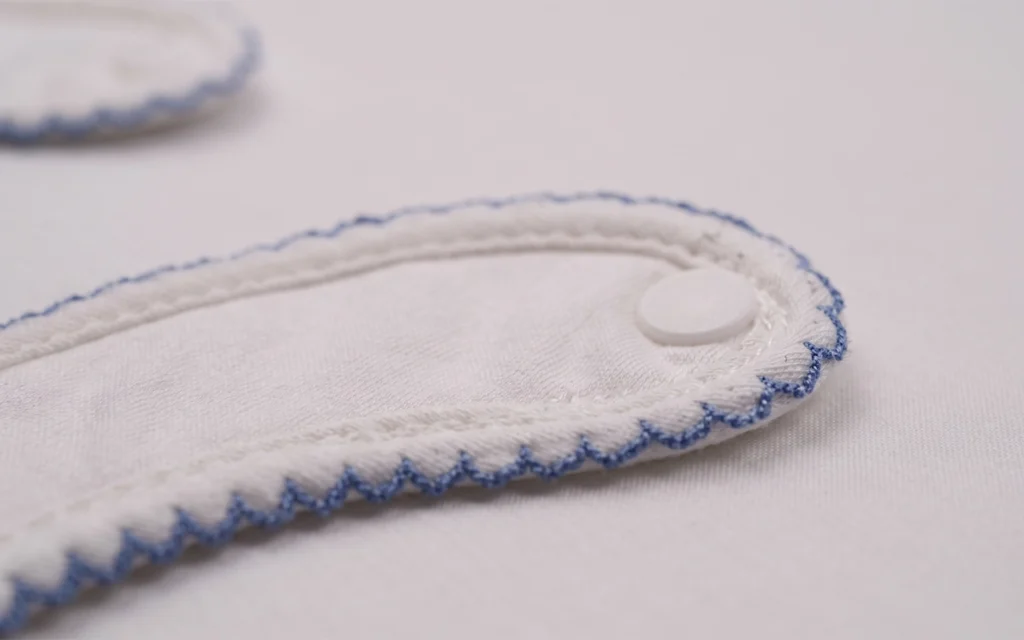
A baby bib requires accurate sizing and comfortable edges.
A bedding product requires consistent workmanship and stable construction.
A mattress requires proper structure and reliable performance.
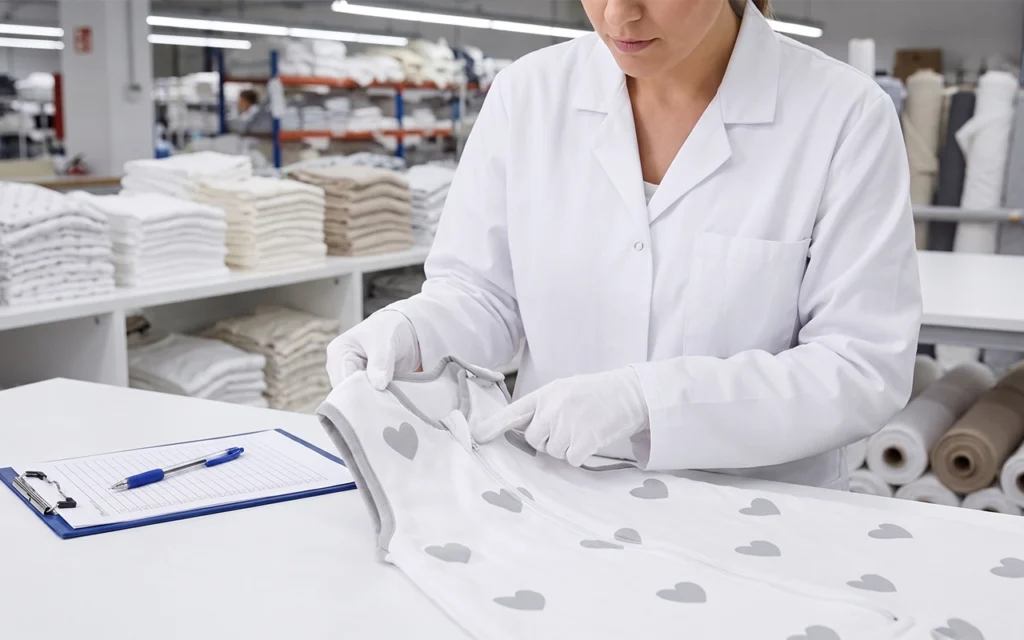
Therefore, brands should choose manufacturers with clear quality control processes.
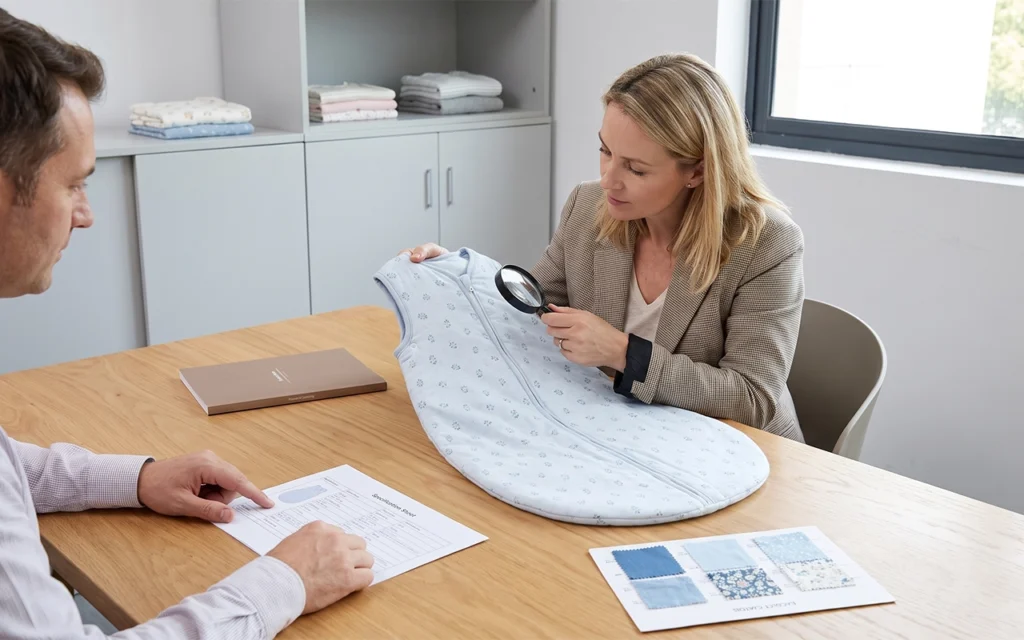
A professional supplier should check products during different production stages instead of only inspecting finished products.
Consider Compliance Support for Different Markets
International baby brands often face different requirements in different regions.
A product suitable for one market may require additional evaluation for another market.
Therefore, brands should choose suppliers who understand international business requirements.
Important areas include:
- Material documentation
- Testing information
- Product specifications
- Quality records
Experienced manufacturers can help brands prepare necessary information and samples according to customer needs.
For example, some brands may require material samples or finished product samples for third-party testing.
A supplier with international cooperation experience can make this process smoother.
Choose a Manufacturer That Understands Baby Product Safety
Selecting the right manufacturing partner is an important step in creating safe baby products.
Brands should evaluate more than production price.
A suitable partner should have:
- Experience with baby products
- Understanding of materials
- Quality control capability
- Testing support experience
- International market knowledge
A reliable manufacturer can help brands solve problems before they become larger production risks.
Moreover, experienced suppliers can provide practical suggestions during product development.
This support helps brands create products that meet both market expectations and customer needs.
Conclusion: Safety Starts With the Right Manufacturing Partner
Baby product safety requires attention throughout the entire development process.
From material selection and product design to manufacturing and testing, every stage can influence the final product quality.
For international buyers, choosing the right supplier means finding a partner who understands safety requirements and can provide reliable support.
With more than 40 years of experience in baby product manufacturing, Inorange Baby supports global brands with OEM and ODM solutions.
The company helps customers with product development, material selection, sample creation, and production support for different baby product categories.
A professional manufacturing partner does more than produce products. They help brands create safer, more reliable, and more competitive baby products.