As infant safety standards evolve in 2026, choosing the right textiles goes beyond simple comfort—it’s about rigorous compliance and material science. From the precise TOG ratings and EN 16781 safety protocols of a newborn sleep sack to the OEKO-TEX Class 1 certified fabrics of high-absorbent baby bibs, every fiber plays a role in protecting a child’s sleep and skin health. In this guide, we dive deep into the essential features of the safest baby sleep sacks and premium bibs, helping global partners and parents navigate the latest European scientific standards and SIDS prevention requirements.
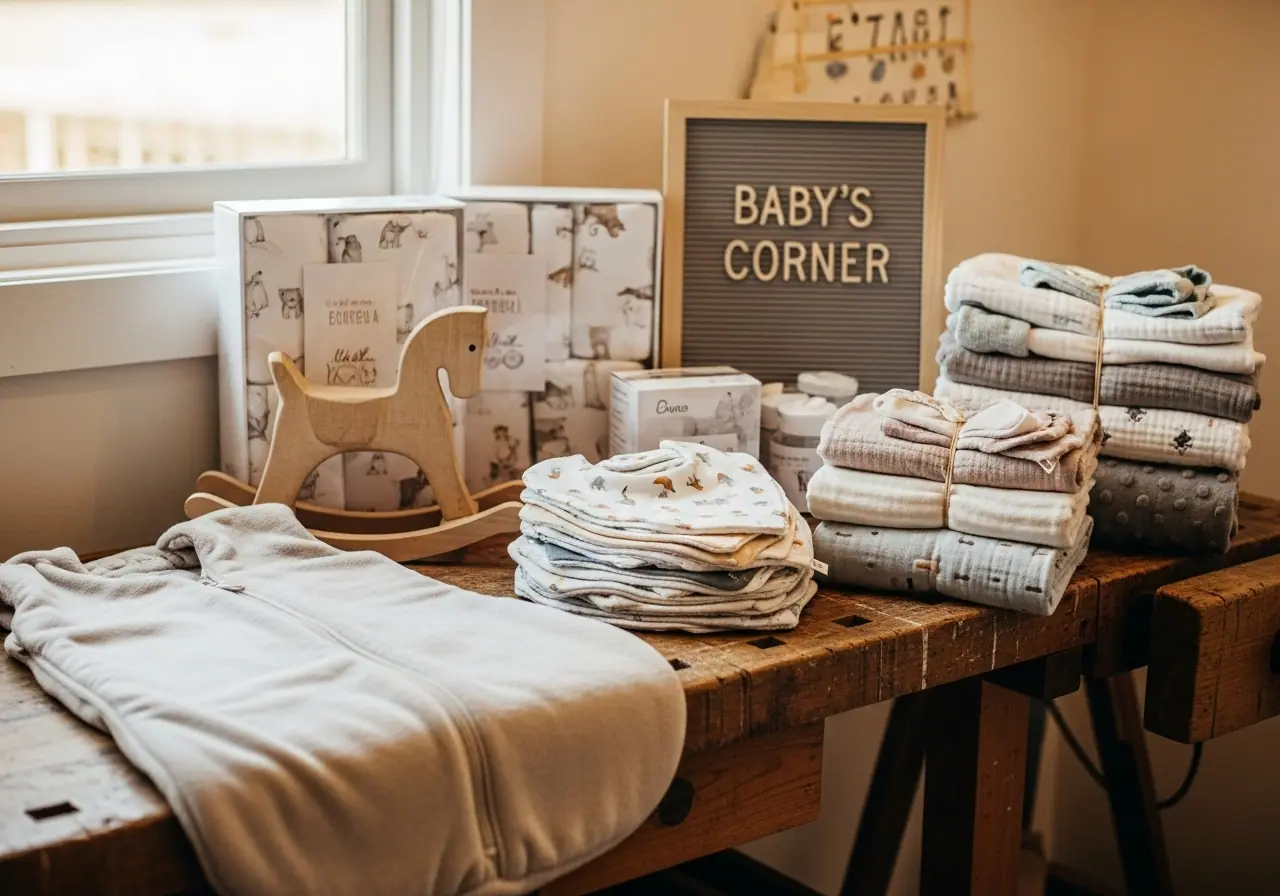
Why Safety Standards Have Shifted in 2026
The landscape of infant sleep safety has undergone a significant transformation. In 2026, global health organizations and European regulatory bodies have updated their frameworks to prioritize preventative design. For manufacturers and parents alike, understanding these scientific shifts is the only way to ensure a zero-risk nursery environment.
The End of Weighted Sleep Sacks: A Global Mandate
One of the most critical updates in the 2026 Pediatric Guidelines is the strict ban on weighted sleep sacks. New clinical research has confirmed two major risks:
Respiratory Pressure: Newborns have flexible chest walls; even minimal weight can compress their ribcage, making breathing labored.
Reduced Mobility: Weight can prevent a baby from rolling back over, significantly increasing SIDS risks.
Mastering TOG Ratings: The Science of Thermal Regulation
As a vital strategy to prevent overheating, 2026 standards now require 100% accuracy in thermal resistance labeling.
Precision Over Guesswork: Manufacturers must now verify products via the Guarded Hotplate Test (EN ISO 11092).
Microclimate Control: High-quality textiles like Tencel and Organic Bamboo are prioritized for their ability to wick moisture and maintain a stable “microclimate” inside the sleep sack.
What is TOG Rating? 2026 Expert Guide to Safe Newborn Sleep and SIDS Prevention
Understanding TOG (Thermal Overall Grade) is the first step in creating a safer nursery. As a critical measure of a fabric’s thermal resistance, the TOG ratings determines how effectively a baby sleep sack insulates heat. In 2026, pediatricians emphasize that choosing the correct TOG value is not just about comfort—it is a vital strategy to prevent overheating, a leading risk factor for SIDS (Sudden Infant Death Syndrome).
| Feature | High TOG Ratings (e.g., 2.5 – 3.5 TOG) | Low TOG Ratings (e.g., 0.2 – 1.0 TOG) |
| Primary Function | Superior Thermal Insulation | Maximum Breathability |
| Scientific Logic | Engineered to trap heat. It creates a thermal barrier to maintain a stable core body temperature in cold conditions. | Designed for thermal dissipation. It facilitates optimal airflow to let excess heat escape rapidly. |
| Best Environment | Colder nurseries or winter seasons (below 20°C / 68°F). | Warmer weather or climate-controlled rooms (above 23°C / 73°F). |
| Safety Benefit | Provides consistent warmth without the need for risky loose blankets, reducing SIDS risks. | Prevents overheating, a leading risk factor for newborns, by ensuring moisture and heat wicking. |
| Fabric Structure | Typically multi-layered with quilted filling or high-density natural wool. | Lightweight, single-layer fabrics like bamboo viscose, tencel, or open-weave muslin. |
TOG Rating Selection Guide: Temperature & Layering (2026 Standard)
| TOG Rating | Recommended Room Temp | Fabric Characteristics & Layering Advice |
| 0.2 – 0.5 TOG | 24°C – 27°C+ (75°F – 80°F+) | Ultra-Thin Single Layer: Typically made of bamboo or Tencel. Ideal for hot summer nights. Layering: Wear with just a diaper or a light sleeveless bodysuit. |
| 1.0 TOG | 20°C – 23°C (68°F – 73°F) | All-Season Standard: Double-layer jersey cotton or lightweight microfiber. The most versatile rating for spring/autumn or air-conditioned rooms. Layering: Pair with a long-sleeved cotton onesie. |
| 2.5 TOG | 16°C – 20°C (61°F – 68°F) | Winter Weight: Padded with quilted cotton or wool infill. Designed for colder climates to maintain core warmth. Layering: Use with a long-sleeved bodysuit and matching pajama set. |
| 3.5 TOG | Below 16°C (Below 61°F) | Arctic/Extra Warm: Heavy insulation for extremely cold environments with insufficient heating. Layering: Requires full thermal base layers underneath. |
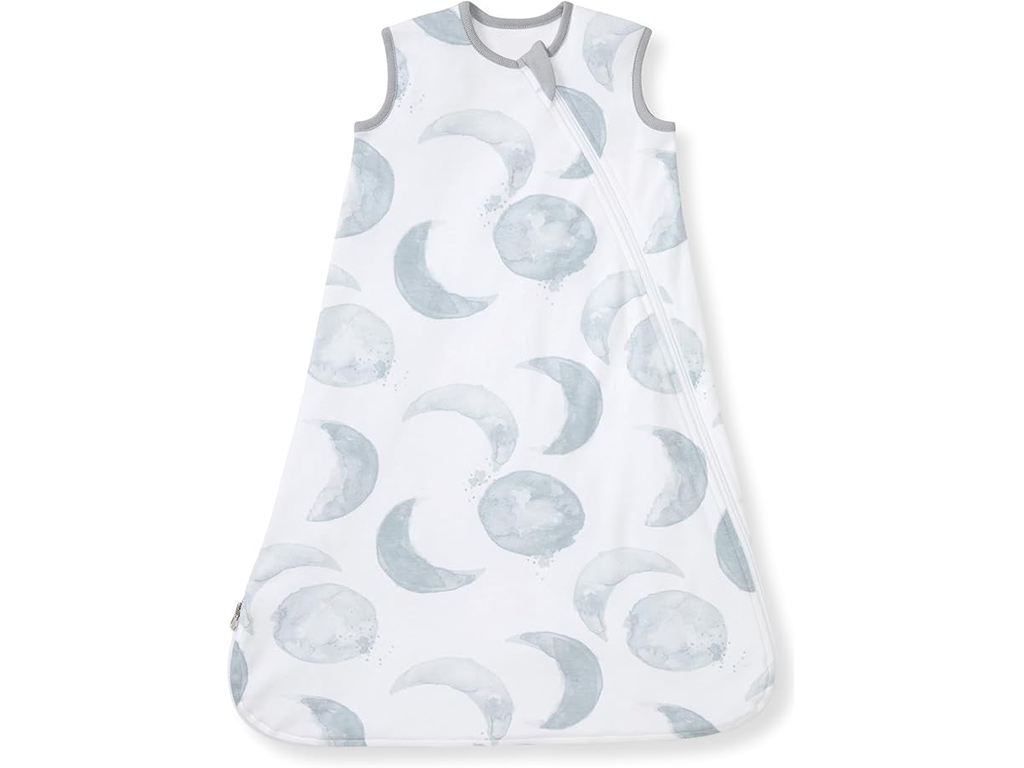
Ergonomics & Hip-Healthy Design
Safety isn’t just about breathing; it’s about skeletal development. The International Hip Dysplasia Institute (IHDI) 2026 certifications demand a “Bell-Shaped” bottom.
The “Frog Position”: A safe sleep sack must allow the hips to fall into a natural, outspread position.
Risk Mitigation: Tight sacks that pin the legs straight can lead to permanent hip displacement.
2026 Safety Checklist / 2026
| Feature | 2026 Requirement |
| Weight | Must be Non-Weighted |
| Standard | EN 16781 Compliance / |
| Ergonomics | Hip-Healthy Bell-bottom |
| Textile | OEKO-TEX Class 1 Certified |